
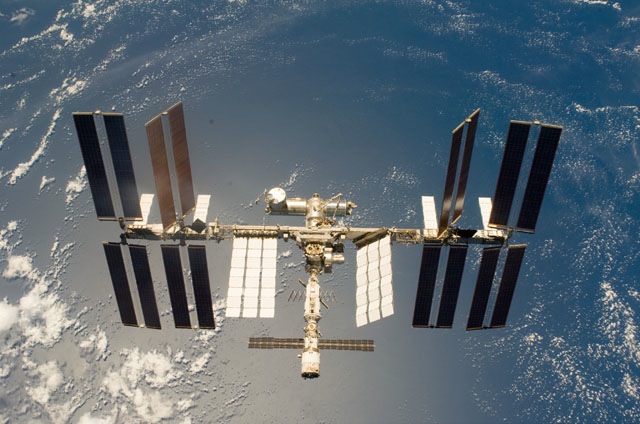
NASA on Friday released a long-awaited "request for proposals" inviting the US commercial space industry to develop private space stations that could succeed the International Space Station as early as 2030. In a 360-page cover letter, the agency stated its goal: "This will ensure NASA has a sustained human presence in LEO for crew members to perform science and exploration." Industry responses are due December 8, and NASA plans to select "two or more" contractors in this phase, with a final decision expected in April.
NASA Administrator Jared Isaacman said the agency will never give up its presence in low Earth orbit. "We will continue to need a place to conduct research, develop technologies, train crews, and prepare for missions to the Moon and Mars," he said. Likely bidders include Axiom Space, Voyager Space and Vast Space. Blue Origin won an earlier round of funding, but questions remain about its commitment to the program, and SpaceX appears unlikely to bid for now.
Phase 1 winners will be guaranteed at least $100 million, and future phases of the contract will be worth billions. Phase 2, starting next year, will fund development and certification of space stations, while Phase 3 will involve purchasing at least four missions for NASA astronauts to the private stations.
Transportation remains a key concern. SpaceX plans to retire its Crew Dragon spacecraft as soon as possible, and it has not offered to sell seats to private station operators. In response, NASA provided an additional $359 million to support Boeing's efforts to certify its Starliner spacecraft. The new request goes further: bidders need not show a signed transportation contract, and NASA offers to furnish transportation for the first four service missions. NASA estimates a four-seat crew flight in 2030 will cost $325 million, and a cargo flight $300 million.
Source: Ars Technica · Summarized by HeadlinesBriefing