
EV ranges keep improving, but certain habits and conditions can still drain your battery quickly. Fast highway driving, carrying excess weight, heat and air-conditioning will all cut your EV's range, and understanding these factors is key to getting the most out of it.
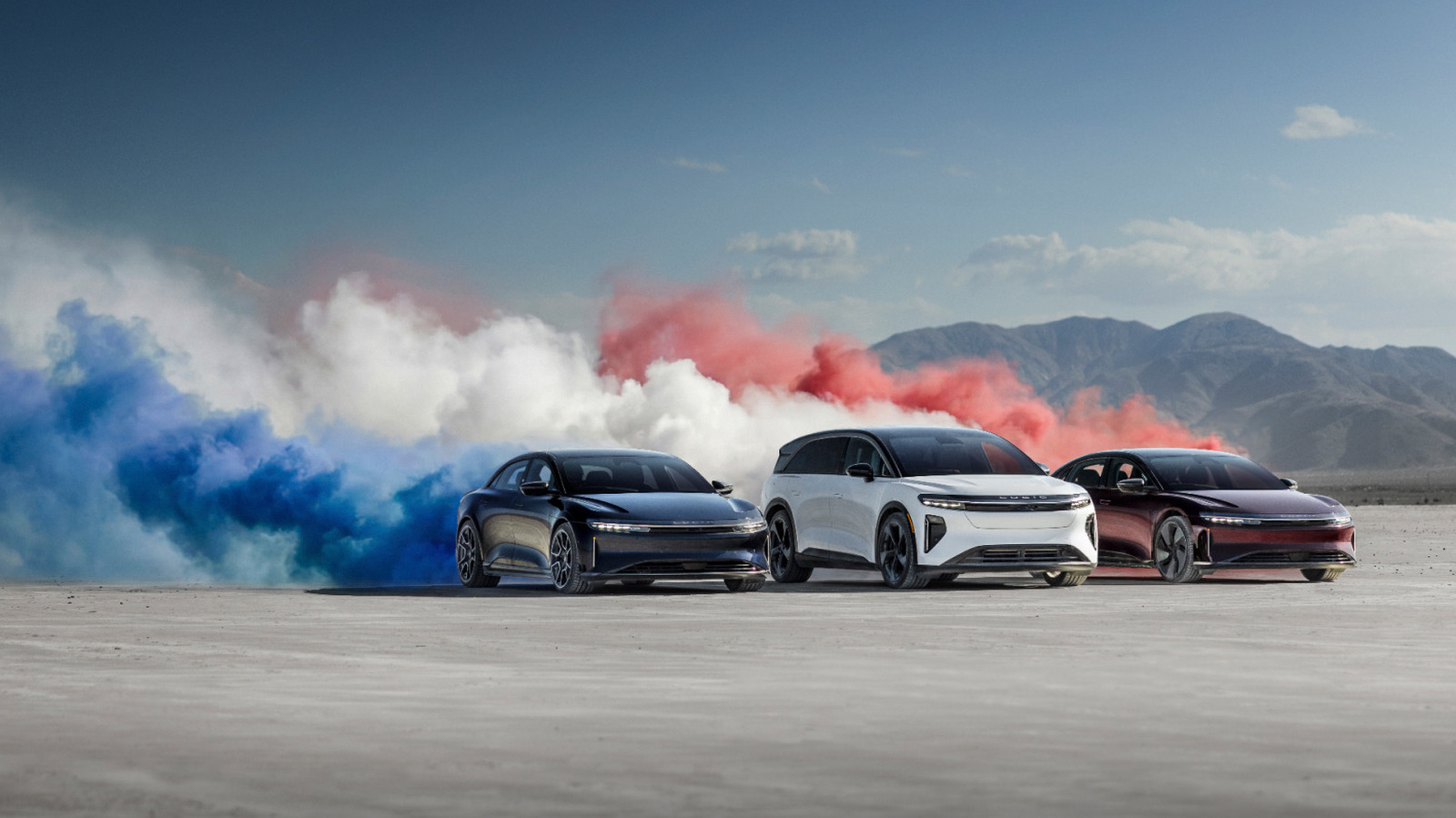
Maximum electric-vehicle ranges are on the rise. According to electric vehicle watchdog Recurrent, the average real-world range of 2026 EV models rose to 325 miles, though that figure is somewhat tempered by the market's shift toward less efficient trucks and SUVs. Models like the Lucid Air, Chevrolet Silverado EV and BMW i3 can travel well over 400 miles between charges. Charging times are also shrinking, with many drivers able to add 100 miles of range in under 10 minutes thanks to 800-volt architectures, better thermal management and flat charging curves.
Not every drive is equal, however. Speed, weather, car weight and air-conditioning can have an outsized effect on energy usage. Unlike a gas car, driving an EV inherently drains the battery, and EVs burn through their stores faster on the highway than in stop-and-go traffic. Higher speeds, sudden acceleration, aerodynamic drag and tire friction all demand more energy. Highway driving also misses out on regenerative braking, which can extend battery life by as much as 20%.
Climate is another major factor. Air-conditioning can drain several miles of range every hour, and heater use takes a similar toll. A 2025 Recurrent study found that an EV's range could drop by nearly a third when temperatures fall below freezing, while temperatures reaching 100 degrees cut range by around 18%. Cargo and passenger weight also reduce operating range.
Drivers can maximize range by removing unnecessary weight from the trunk and moderating climate control use. Simple habits like these can help an underperforming EV reach its peak without a battery replacement.
Source: Engadget · Summarized by HeadlinesBriefing