
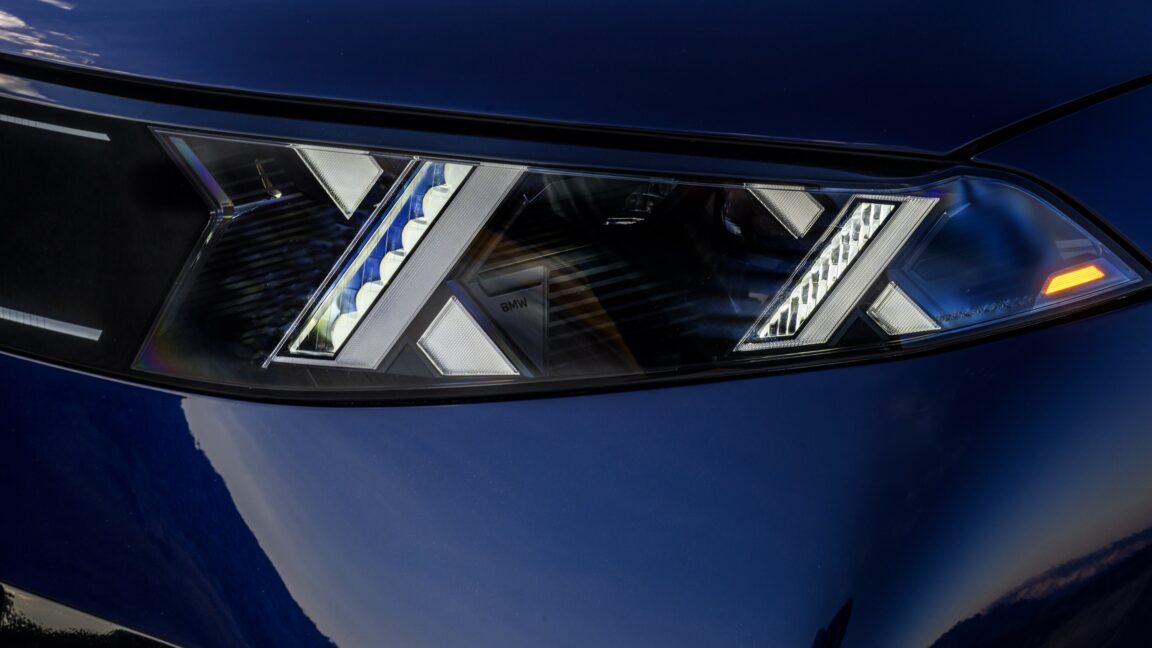
BMW has unveiled a new generation of its X5, offering both gasoline and electric versions. The electric iX5 borrows much of its technology from the i X3, BMW's first Neue Klasse model, including the sixth-generation electric powertrain, a reimagined dashboard and powerful onboard computers. BMW is keeping the range flexible, since not all customers are ready to go electric, especially in the US. The shared CLAR platform, also used by the 7 Series and the new gasoline 3 Series, supports mild hybrid, plug-in hybrid and eventually hydrogen-powered X5s.
The most conventional option is the X5 40 xDrive, powered by a 3.0-liter turbocharged inline six-cylinder engine producing 394 hp and 428 lb-ft of torque. Its 48V mild hybrid system adds up to 148 lb-ft, and it is expected to achieve around 26 mpg and a full-to-empty range of 569 miles. A plug-in hybrid X5 50e xDrive will follow, with a 26.5 kWh battery and about 44 miles of electric range, built at the Spartanburg, South Carolina plant.
The i X5 stands out as the most efficient choice. Its dual-motor setup produces a combined 570 hp and 593 lb-ft of torque. A massive 144 kWh usable battery pack uses taller 120 mm cylindrical cells, boosting energy density by 30 percent over the smaller i X3. BMW estimates 450 miles of range on the EPA test cycle. Onboard AI route planning factors in charging capacity, reliability and station location.
Charging performance is a major highlight. During a demonstration in California, an i X5 went from 10 to 50 percent state of charge in just over nine minutes, peaking at 465 kW. A 10-to-80 percent charge can take as little as 22 minutes on a 460 kW charger via the NACS port. For BMW, a European automaker, this represents a significant step forward in fast-charging capability.
Source: Ars Technica · Summarized by HeadlinesBriefing