
In 1887, English football had no league structure. Teams played a chaotic mix of knockout tournaments, often unable to plan their schedules. Fans grew frustrated with the intermittent fixtures, and the sport lacked any sense of consistency.
Scottish-born Aston Villa administrator William McGregor saw the problem clearly. He argued for a "fixity of fixtures," proposing a fixed programme of home-and-home matches between the leading clubs. In March 1888 he suggested a 12-team competition to five other top clubs in England, and by September the Football League had played its first matches. McGregor's league was modelled in part on baseball's National League in the United States, but it diverged in key ways. Instead of being a closed, profit-driven system, the Football League sat within the Football Association and adopted promotion and relegation from its first day.
McGregor also envisioned a league built on "the joint principles of self-interest and mutual advantage," proposing that gate receipts be shared equally between hosts and visitors. However, ten of the twelve clubs rejected the idea, a decision that shaped the financial culture of the sport.
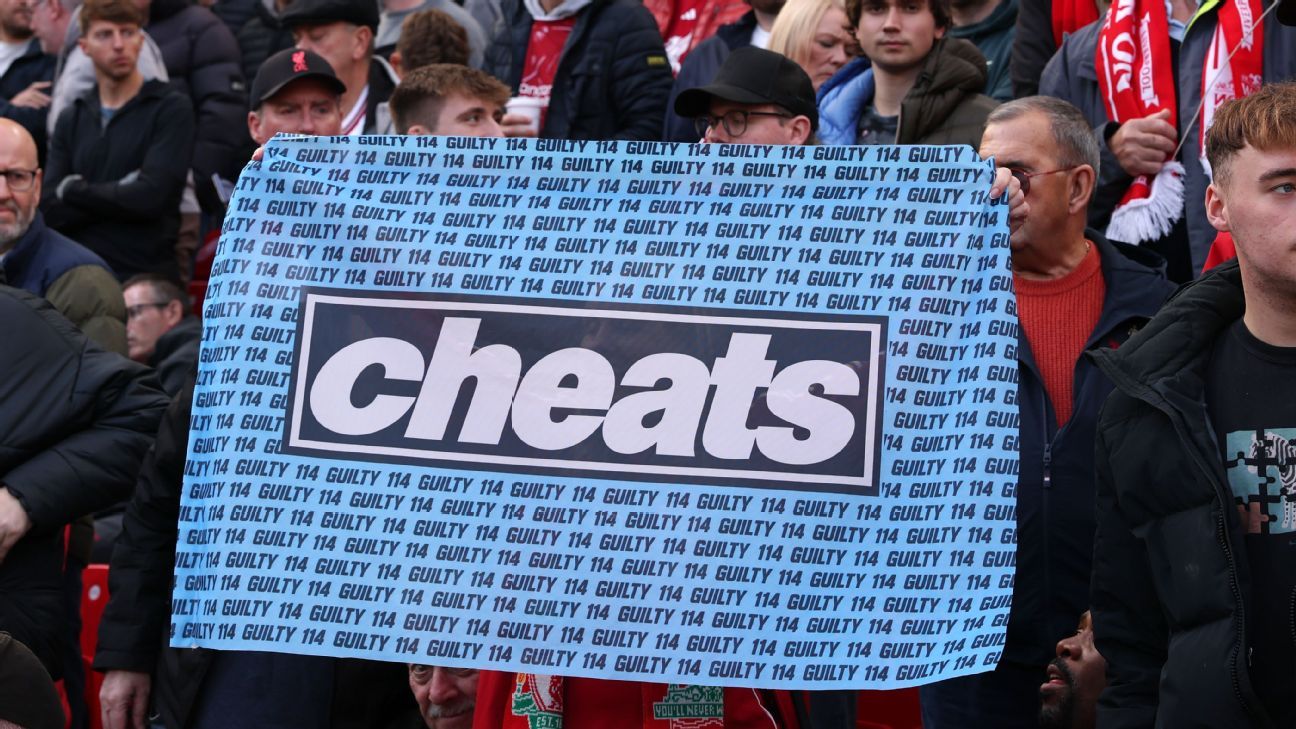
That history frames the present. Manchester City, now owned by a trillion-dollar sovereign wealth fund from a natural-resource-rich Middle Eastern nation, faces expulsion from the league McGregor created. The charge is that the club artificially inflated its revenues, raising questions about whether the modern Premier League's rules have left it with no other choice.
Source: ESPN Soccer · Summarized by HeadlinesBriefing