
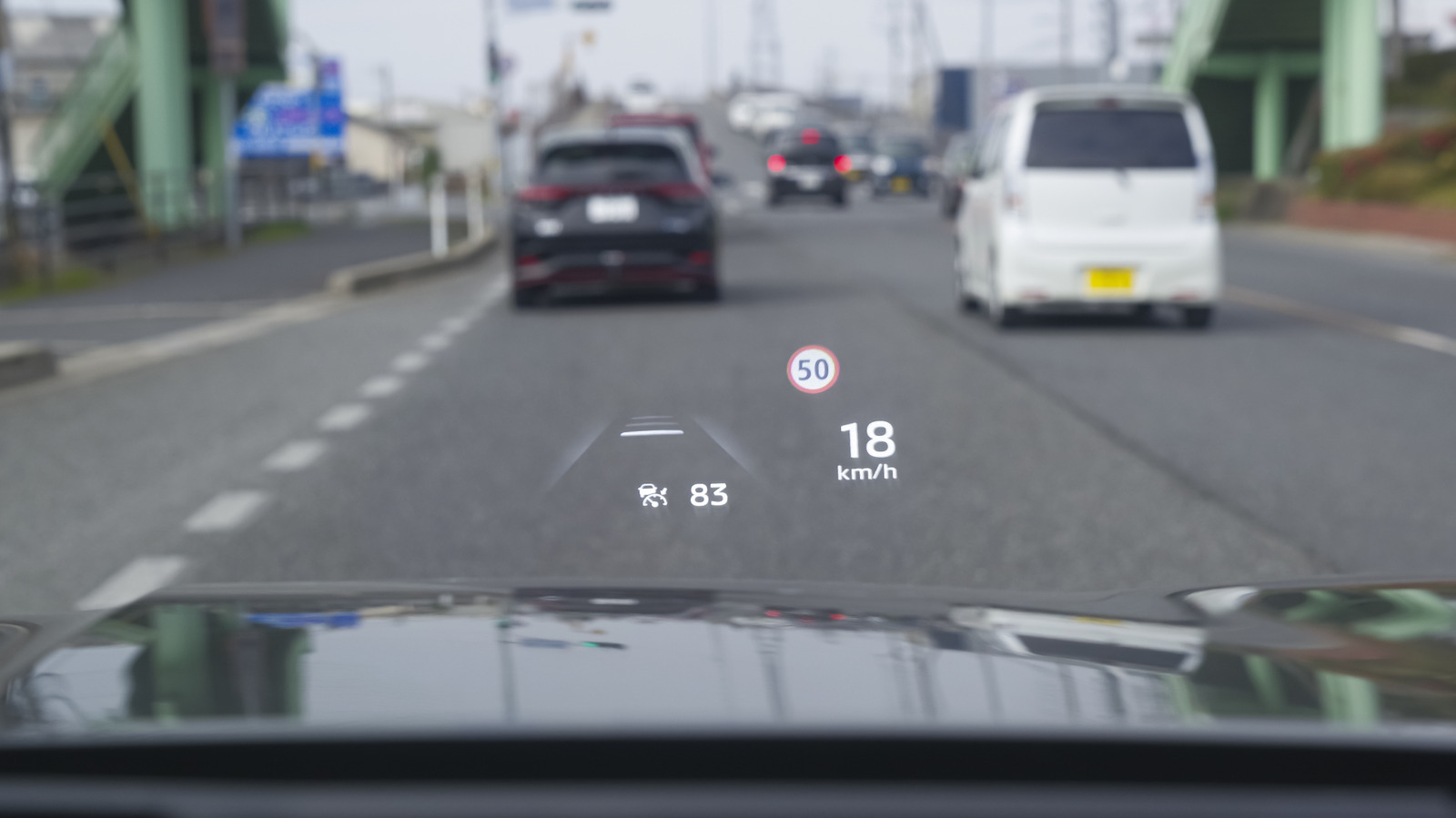
Adaptive cruise control has changed how many drivers handle the road, even though its core technology is relatively simple. At its heart, the system relies on a radar sensor in the car's nose and a camera behind the rearview mirror. Together, they measure the gap to the vehicle ahead and how quickly that gap is closing, then adjust the throttle and brakes to maintain the following distance the driver has selected.
The radar bounces a radio signal off the car in front and times the echo, giving it distance and closing speed even in the dark or fog. The camera tracks lane markings to determine which vehicle to follow and recognizes when another driver cuts in. Because the sensors are sensitive, owners can unintentionally disrupt performance by adding number-plate frames or stickers, or by bumping into objects while parking.
Since its introduction in the late 1990s, the software around the hardware has grown far more capable. Ford's BlueCruise uses GPS map data to slow the car before a bend, while Hyundai's Smart Cruise Control learns from the driver's habits. Honda's Low Speed Follow can stop behind traffic and resume with a tap, making it useful in jams. Hardware has also improved, with Bosch's long-range radar detecting objects about 530 meters away, compared with 250 meters in 2014.
Despite these advances, the technology has clear limits. Toyota, Volvo and Honda all warn against using their systems in rain, fog, snow, heavy traffic, on sharp bends or on slippery roads. Heavy rain can weaken radar performance, and a computer-held throttle could carry speed into standing water. Drivers should treat adaptive cruise control as an assist and stay attentive at all times.
Source: Engadget · Summarized by HeadlinesBriefing