
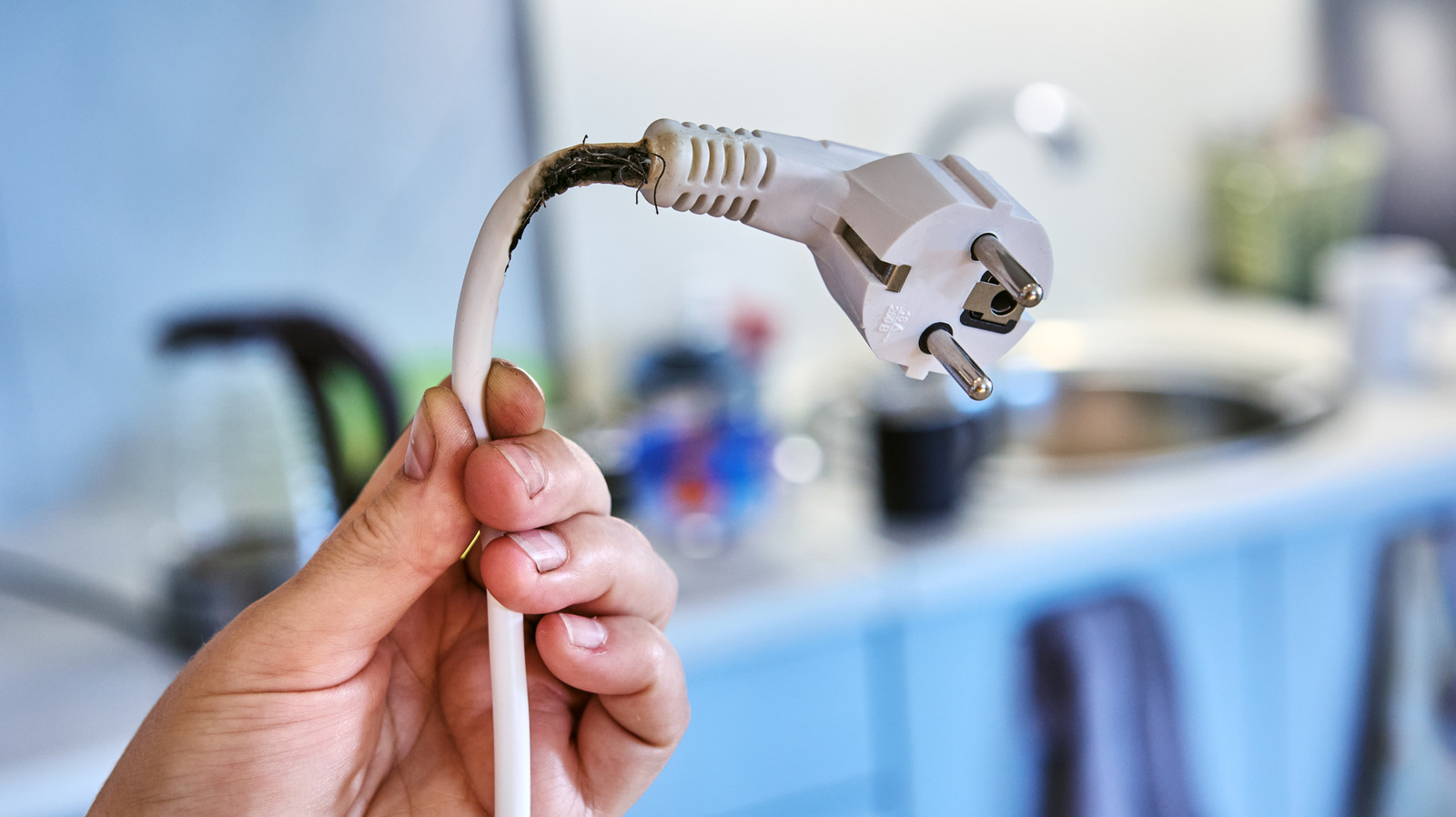
Extension cords are handy for temporary fixes, but many people end up leaving them plugged in for months until they become a permanent part of the room. That habit is where the trouble starts. The Electrical Safety Foundation International (ESFI) notes that extension cords are not permanent wiring and can become damaged over time if used continuously. When you unplug one, look for cracked insulation, loose connections or a plug that feels hotter than it should.
An idle cord plugged into the wall is not guaranteed to overheat, but the risk grows when it becomes part of your daily routine. It can be trapped behind furniture, damaged, or asked to power something far more demanding than a phone charger. The National Electrical Code (NEC) says flexible cords should not replace a structure's fixed wiring, and it prohibits running them through walls, floors, ceilings, doorways or windows. A workplace safety rule of thumb from MEMIC suggests considering a permanent solution if equipment has been powered by an extension cord for more than 30 days. For a home office, that could mean adding an outlet where it's needed.
Cords also have their own limits. Extension cords come in different wire gauges and current ratings, and the cord must support whatever is plugged into it. The U.S. Fire Administration recommends plugging major appliances directly into wall outlets and advises against using an extension cord or power strip with portable heaters. ESFI also warns against daisy-chaining cords, covering them, or running them under rugs, since these practices trap heat.
These risks are real. Loudoun County Fire and Rescue attributed a July 2026 house fire in Virginia to the electrical failure of an extension cord, displacing five occupants. The practical rule is simple: check the cord's rating, replace damaged cords, and unplug temporary setups when you're finished with them.
Source: Engadget · Summarized by HeadlinesBriefing