
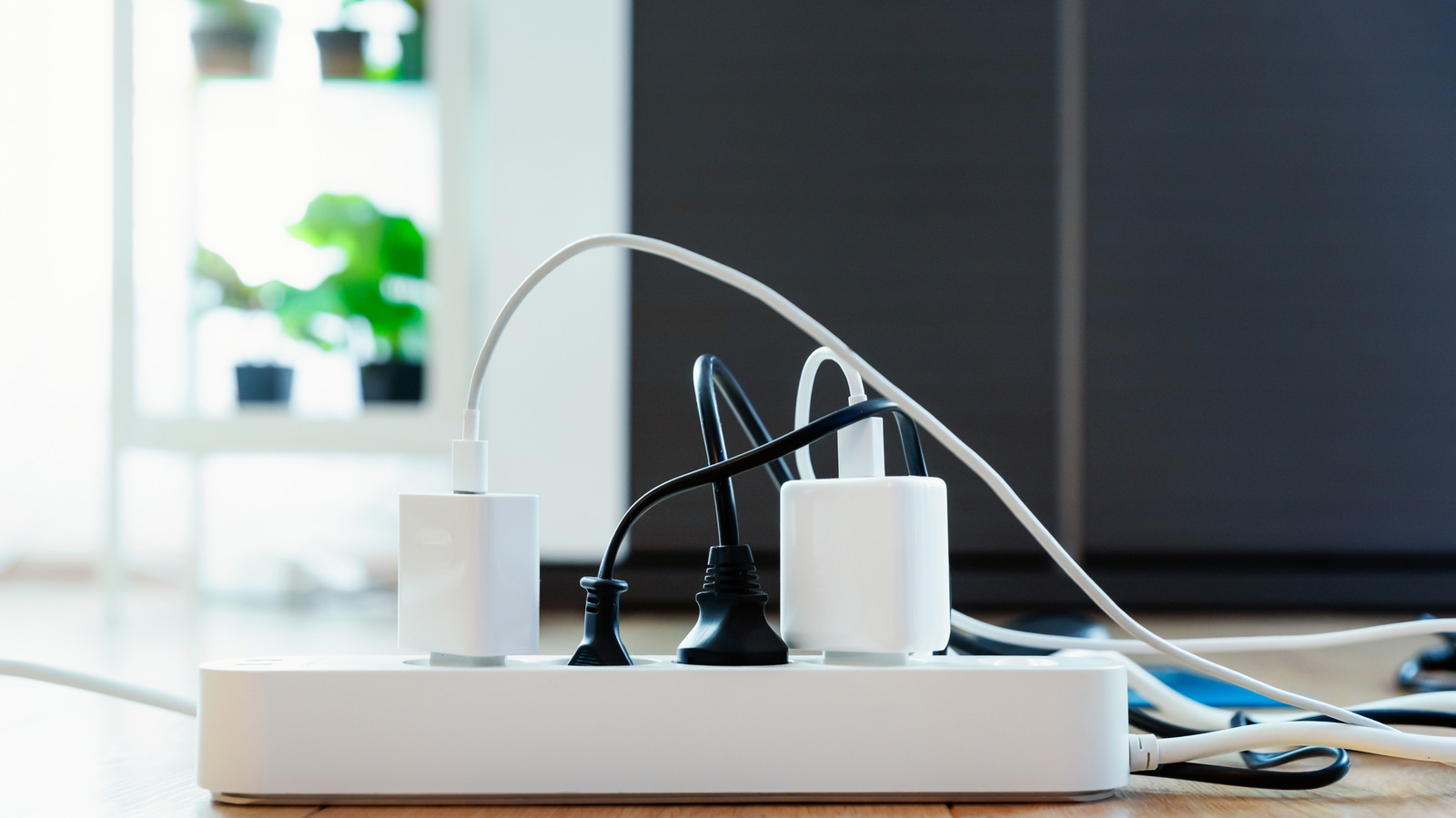
Smart plugs offer convenient remote control for your devices, but plugging a power strip into one creates a serious safety risk that most people overlook. These gadgets work best when powering just a single device at a time, yet many users attempt to control entire strips for convenience.
The danger lies in power specifications. Every device lists its voltage and wattage ratings, and smart plugs have maximum amp limits they can safely handle. Govee's Smart Plug Pro with Energy Monitoring, for instance, tops out at 15A capacity. When you connect a power strip with multiple outlets and start filling them up, the cumulative draw can easily exceed that limit without obvious warning signs.
TP-Link explicitly warns against this practice, noting that smart plugs have lower maximum load capacity than power strips themselves. The real risk isn't just product damage—it's potentially starting a fire. Without calculating the exact power draw each time you add a device, you're gambling with electrical safety.
Your safest bet is plugging power strips directly into wall outlets rather than through smart plugs. Since smart plugs typically sell in affordable multi-packs, using individual units for multiple devices eliminates the overload risk entirely. Even smart power strips often max out at 15A or less, so the same caution applies.
Source: Engadget · Summarized by HeadlinesBriefing