
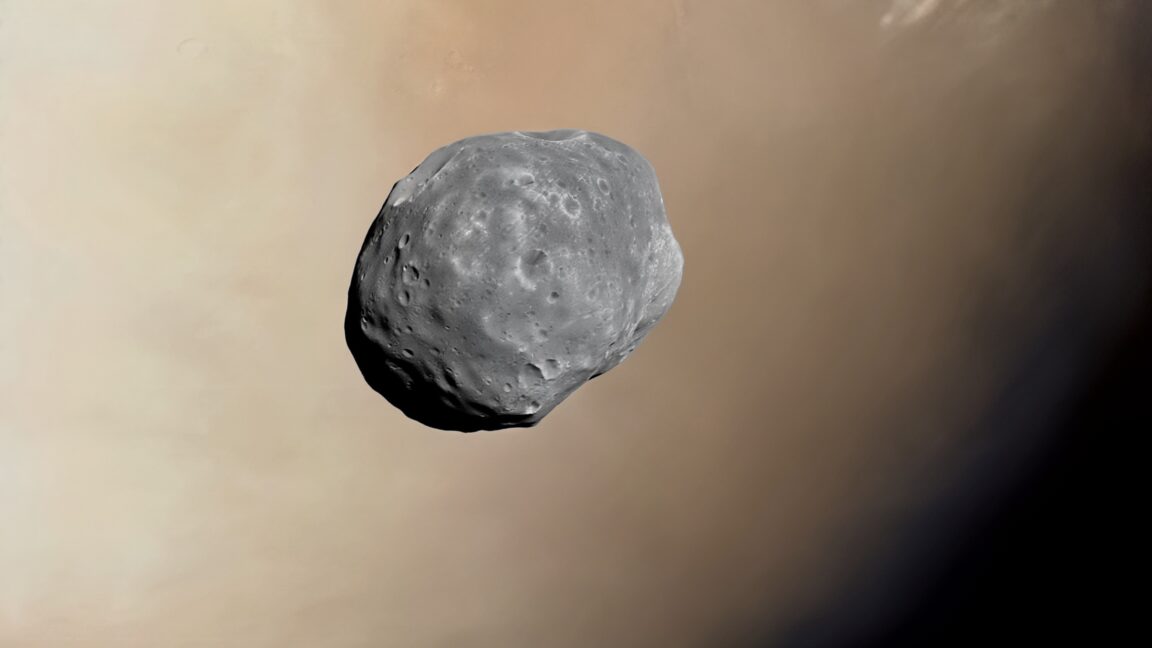
Japan launched a $578 million mission Monday on a five-year expedition to land on Phobos, the largest moon of Mars, and retrieve samples for return to Earth. The Martian Moons eXploration (MMX) spacecraft lifted off at 3:41 pm EDT from Tanegashima Space Center atop a 207-foot-tall H3 rocket with four strap-on boosters. The nearly 9,900-pound spacecraft, two-thirds propellant, separated from the rocket 71 minutes after liftoff and established contact with ground controllers.
JAXA President Hiroshi Yamakawa declared the launch a success, stating, “A long journey of five years has just started.” MMX aims to achieve the world’s first sample return from Martian moons by 2029, with up to two landing attempts on Phobos. The mission builds on Japan’s Hayabusa legacy, which returned pristine asteroid samples, and includes contributions from NASA and European space agencies. After arriving at Mars in August 2025, MMX will spend three years studying Phobos and Deimos before attempting landings.
Scientists hope to determine if Phobos is a captured asteroid, which could reveal insights into Solar System formation. The spacecraft will jettison its propulsion module upon reaching Mars, leaving the exploration module to approach Phobos, whose weak gravity and potato-like shape present unique challenges.
Source: Ars Technica · Summarized by HeadlinesBriefing