
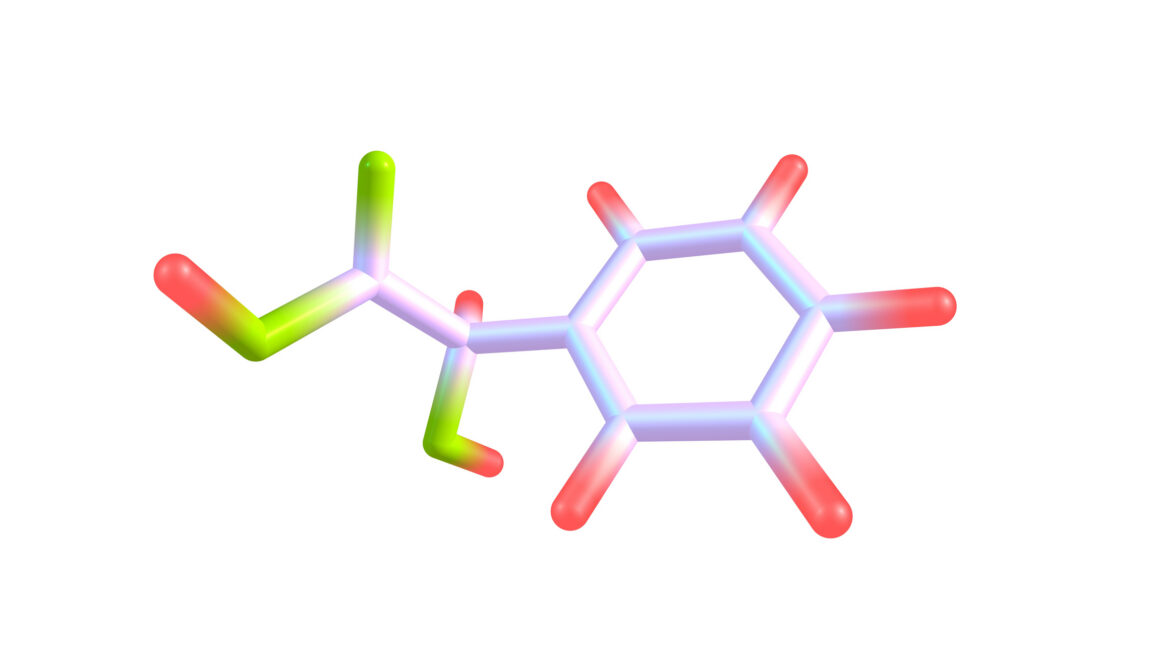
Altering molecular handedness has implications for the origins of life. Life relies on many molecules with “handedness”—they’re chemically identical but are mirror images. Most chemical reactions make a 50-50 mix, but life uses only one form. Today’s Nobel Prize in Chemistry goes to Henri Kagan and Kenso Soai, who discovered reactions could be biased, producing large excesses of one form.
The technical term is “chirality.” Amino acids come in D and L forms, but all life relies on just one. Enzymes latch onto chemicals using binding sites sculpted by evolution; try to feed the enzyme the mirror-image version, and it often fails to fit. Life uses nothing but the D form of sugars, so its enzymes are optimized for those.
There are two ways this could have happened: early life may not have been picky, or life evolved in an environment where one chiral form dominated. Over the years, ideas trace back to physicist Frederick Charles Frank. One option is a catalyst with a slight preference could, over time, produce a large excess of that form. Another is that a chiral reaction product could itself serve as a catalyst for forming more of the same form.
Source: Ars Technica · Summarized by HeadlinesBriefing