
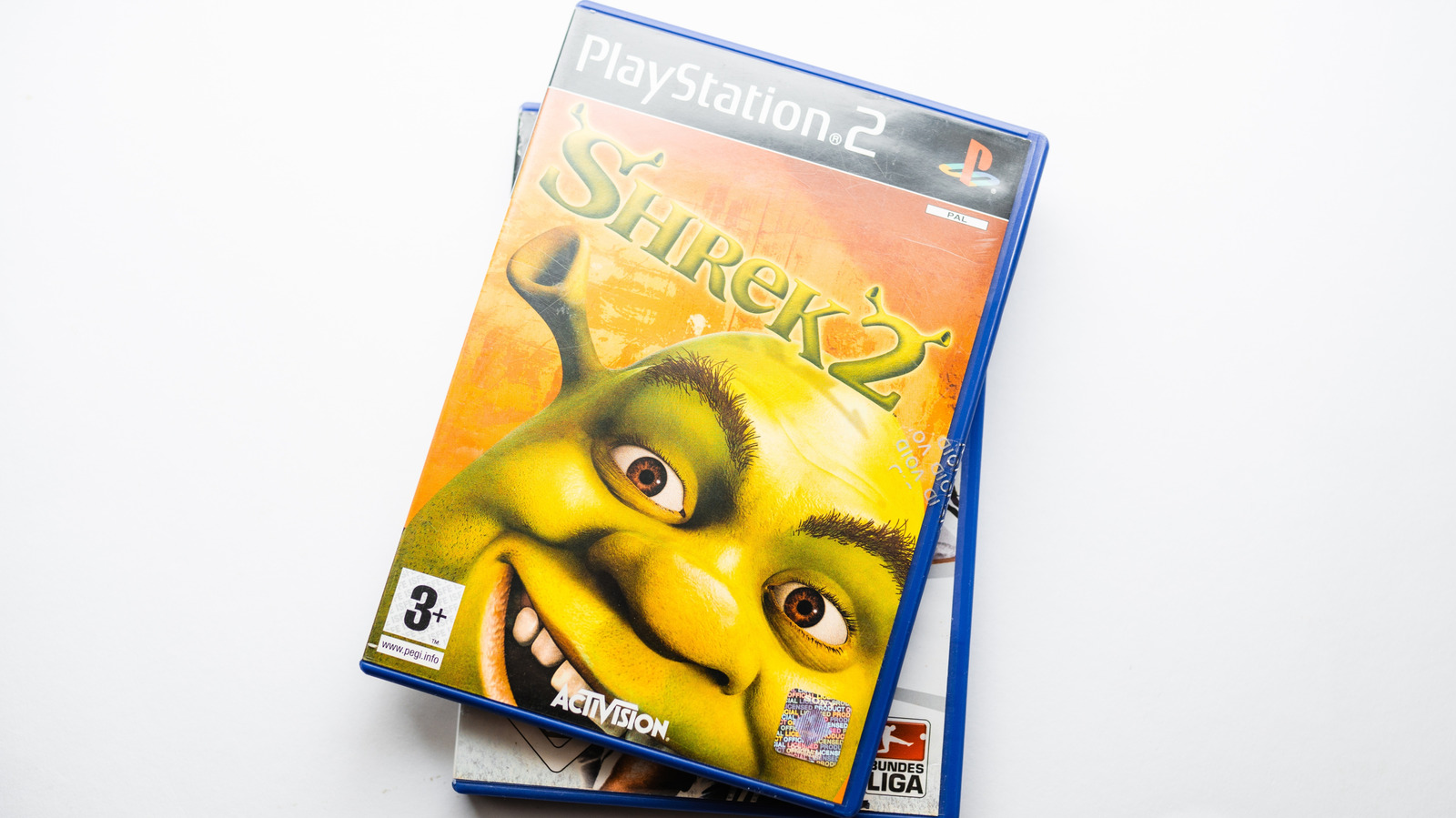
Licensed games for movies like Shrek 2 and Ratatouille were everywhere for a while, but have mostly gone extinct. Until the early 2010s, it was almost a guarantee that any blockbuster movie would get an accompanying video game. These were often critically panned, but every now and then produced a gem like Spider-Man 2 (2004) or X-Men Origins: Wolverine (2009). Though the production of movie tie-in games hasn't completely ceased — the Lego adaptations are still going strong, for example — it's nowhere near the release rate of a few decades ago. In 2007, over 30 licensed games based on movies were released. In 2025, the closest we got were in-game additions connected to movie releases, like a dedicated event server in Minecraft for its movie or Fortnite skins for The Fantastic Four: First Steps.
The biggest driving force behind licensed games' decline comes down to one aspect: money. The overall cost to make a game has massively ballooned over time: in 2004, it cost $40 million to produce Half-Life 2; nearly two decades later, Marvel's Spider-Man 2 cost approximately $300 million. Movie tie-in games also come with additional costs, including licensing deals and potential revenue shares. In 1982, Atari paid $22 million for the licensing rights to E.T. — with inflation that's a bit over $75 million today.
Aside from rising expenses, today's games also take significantly longer to produce. Most movies take a maximum of around two and a half years, while the average AAA game takes five to seven. Because the publicity of each is linked to the other, if a tie-in game doesn't align with the film's release, it's almost always a pointless endeavor.
Source: Engadget · Summarized by HeadlinesBriefing