
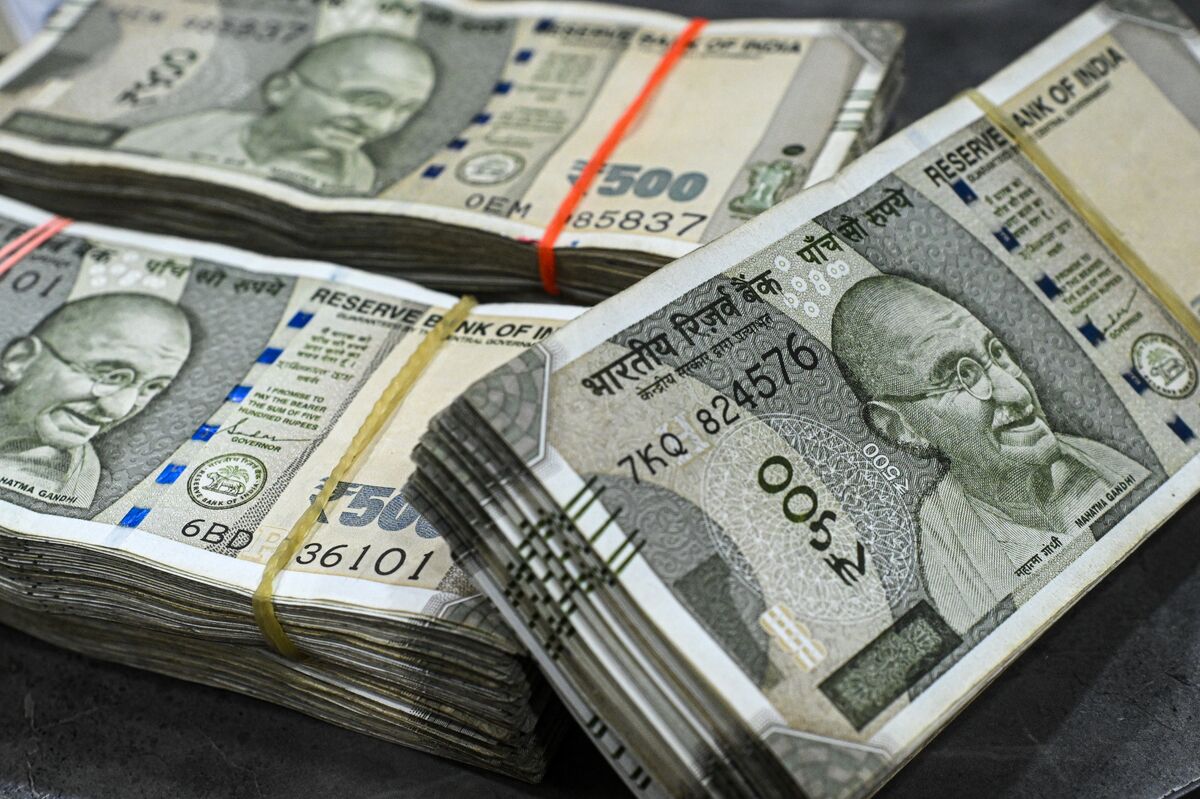
The rupee’s rebound from a record low, driven by the Reserve Bank of India’s aggressive defense since 2013, has provided temporary relief but at a steep cost. The RBI has curbed speculative dollar demand and redirected oil companies’ purchases away from the spot market, but these actions have suppressed trading and hedging, reducing the market’s ability to absorb currency shocks. Underlying weaknesses—high oil prices, sticky inflation, and capital outflows—remain unaddressed.
Liquidity in parts of the FX market has dried up, hedging costs have surged, and bond yields have climbed to a three-year high. Despite the RBI’s efforts, many investors doubt the rupee’s long-term downward trend has changed. Aaron Hurd of State Street Investment Management expects further depreciation toward 99–100 per dollar over the next year, though much of this is already priced in.
Importers and banks continue seeking dollar forwards to hedge against further weakness, pushing hedging costs to their highest since 2016. The forwards market is described as “extremely dislocated,” with short-term premiums surging. Banks face subdued FX business and potential fixed-income losses.
Anshul Chandak of RBL Bank noted treasury desks may “swallow poison for long-term gain,” emphasizing the need for fiscal reforms alongside monetary measures. The RBI recently clarified that its measures apply to hedging derivatives, not market-making, but thin liquidity and high hedging costs could deter investment and leave the currency vulnerable once support is reduced.
Source: Bloomberg Markets · Summarized by HeadlinesBriefing