
Tech stocks rebounded early in the week after a selloff fueled by fears over how companies like Core Weave will fund the AI buildout. Credit investors, however, never fully bought into the tech optimism, with the Bloomberg US corporate investment-grade index posting smaller returns than the S&P 500.
Under the hood of the corporate bond index, volatility in investment-grade spreads (risk premiums) has picked up, partly due to moves in US Treasuries. A Bank of America chart shows that by one measure, investment-grade spreads are now more volatile than the 10-year Treasury. Credit is a huge part of the equity story, since many tech companies driving gains in the S&P 500 have fueled their expansion with enormous borrowing. Higher spreads and more volatility mean it will get harder to keep up the flow of cheap(ish) capital that has powered tech growth.
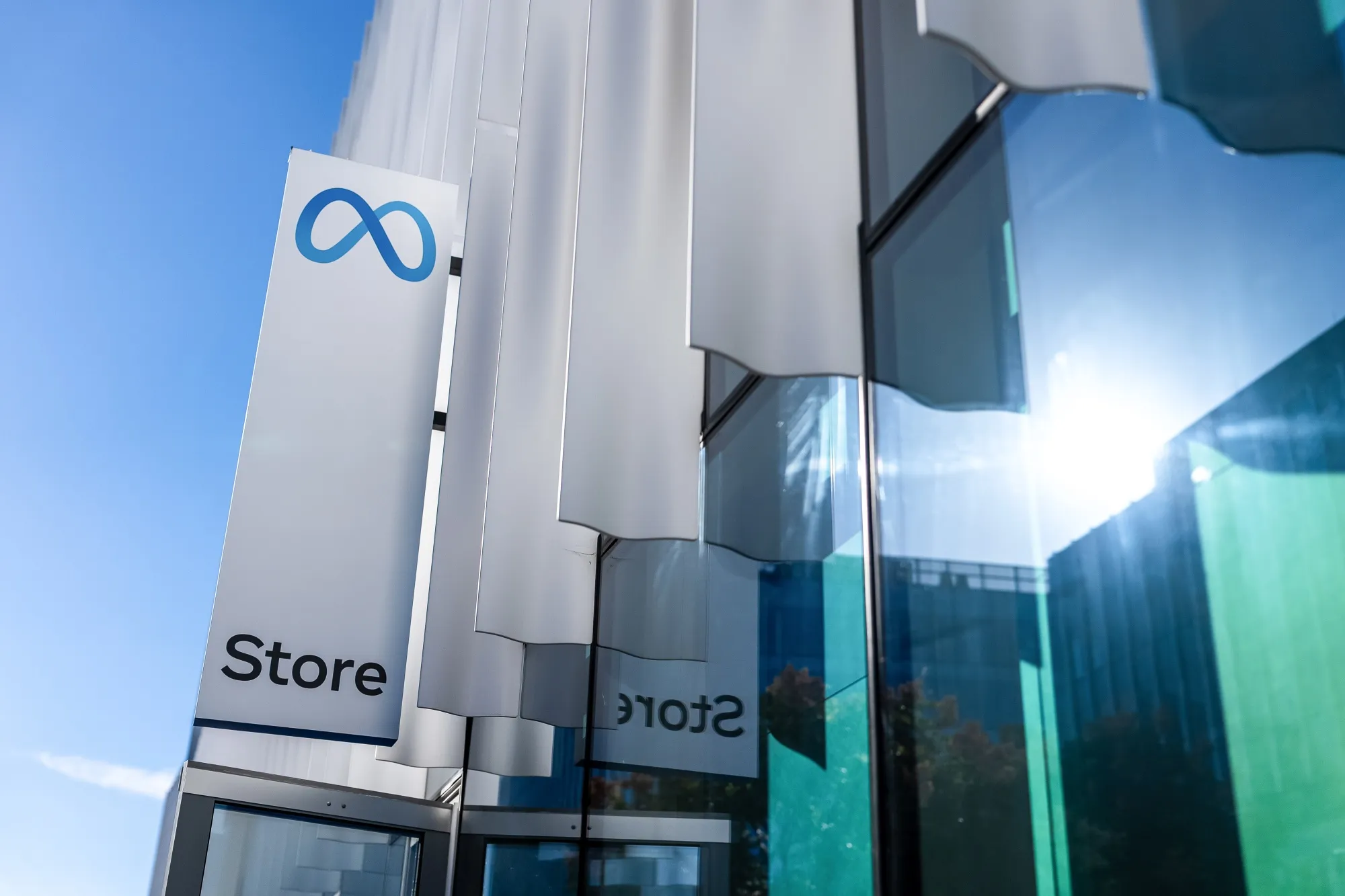
The pressure is not limited to neoclouds like Core Weave. Bloomberg reports that five-year CDS on Meta debt is surging after the company said in an SEC filing that it planned to spend about $825 billion on future leases and contracts for its AI buildout, implying hundreds of billions in additional financing. Meta also acknowledged in the filing that the funding environment is changing even as it confirmed plans to ramp up issuance. Meta has also announced it would sell new shares to finance some investments, in part to ease pressure on the debt market.
The author argues this marks a major shift. Companies across the AI ecosystem have largely been able to get the funding they wanted, whether through debt or equity. That environment is fading, and competition for capital looks set to increase. Analysts at Barclays highlight the sheer scale of hyperscaler issuance, which in 2026 is already far from the normal relationship between benchmark rates and cross-asset issuance. With recent filings from Meta and SpaceX signaling plans to raise even more in 2027, the deluge of debt is expected to grow.
Source: Bloomberg Markets · Summarized by HeadlinesBriefing