
The Indianapolis Colts appeared set for exactly the kind of finish that keeps NFL stadiums packed. Trailing the Houston Texans by one point in the fourth quarter with 1:48 left, quarterback Daniel Jones threw a 20-yard completion to receiver Laquon Treadwell, putting Indianapolis at the Houston 45-yard line. What followed puzzled many observers. The Colts showed little urgency, running the ball, letting the clock drain, and only pushing for a first down on third-and-6. After receiver Keenan Allen came up inches short, kicker Spencer Shrader hit a 53-yard game-winning field goal with 21 seconds remaining.
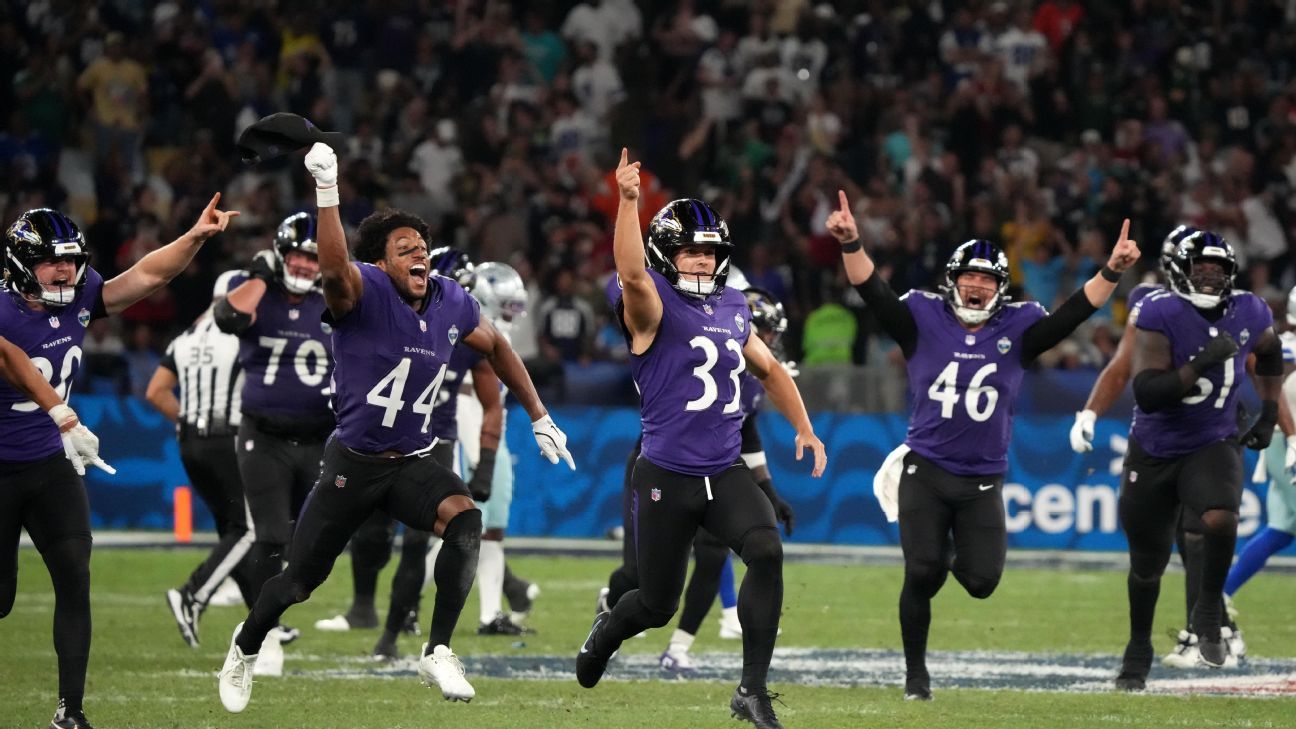
The sequence highlights how late-game strategy in the NFL has evolved as more games are decided in the final minutes. Colts coach Shane Steichen acknowledged the pressure. "That is real," he said. "There's no doubt. When you have an opportunity to finish the game, you want it to be the last drive." The Dallas Cowboys learned that lesson the hard way, losing a Week 3 game to the Baltimore Ravens on an inexplicable seven-second scoring drive.
Late-game scoring has surged since the NFL changed its kickoff rules last year, moving the ball to the 35-yard line after touchbacks. Drives starting in the final minute of halves that ended in a touchdown or field goal attempt rose by more than 50 percent compared with the previous 10 seasons. Meanwhile, stronger kickers and changes to how teams may manipulate kicking balls, known as K-balls, have driven a 60 percent increase in attempts of 50 yards or longer over five seasons.
Jacksonville Jaguars coach Liam Coen summed up the shift: "Now you're seeing, I mean, chaos out there from some teams. And it's cool to watch." For teams on the wrong end of the outcome, however, the chaos can be costly, and coaches now face the challenge of adjusting their approach to these high-stakes finishes.
Source: ESPN General · Summarized by HeadlinesBriefing