
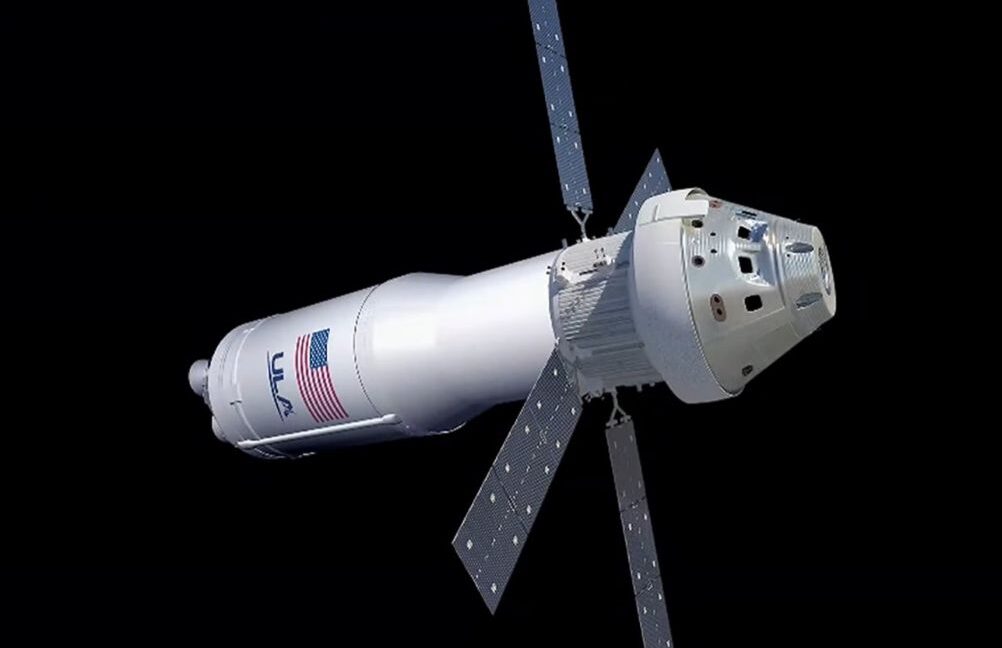
NASA announced major updates to its lunar lander plans, finally addressing the long-standing Orion spacecraft propulsion limitations. The agency revealed plans to allow the Orion capsule to dock with lunar landers in low-Lunar orbit, approximately a few hundred kilometers above the Moon, rather than the previously planned higher orbit. This change, advised by Artemis Program manager Jeremy Parsons, would significantly reduce propellant requirements for landers like Blue Moon, allowing for more efficient lunar surface operations.
NASA is also developing an "extended" Centaur V upper stage in partnership with United Launch Alliance. When combined with the Space Launch System core stage, this will enable Orion to reach low-lunar orbit. This resolves a major embarrassment for NASA, as Orion's service module previously lacked the delta-V capability for independent Earth-to-orbit-and-return missions.
The burden of performance was previously pushed onto lander companies. NASA stated it is actively listening to its landing partners to streamline operations and meet timelines. By getting Orion closer to the Moon, the agency aims to make landing operations substantially easier for partners like Blue Origin.
Source: Ars Technica · Summarized by HeadlinesBriefing