
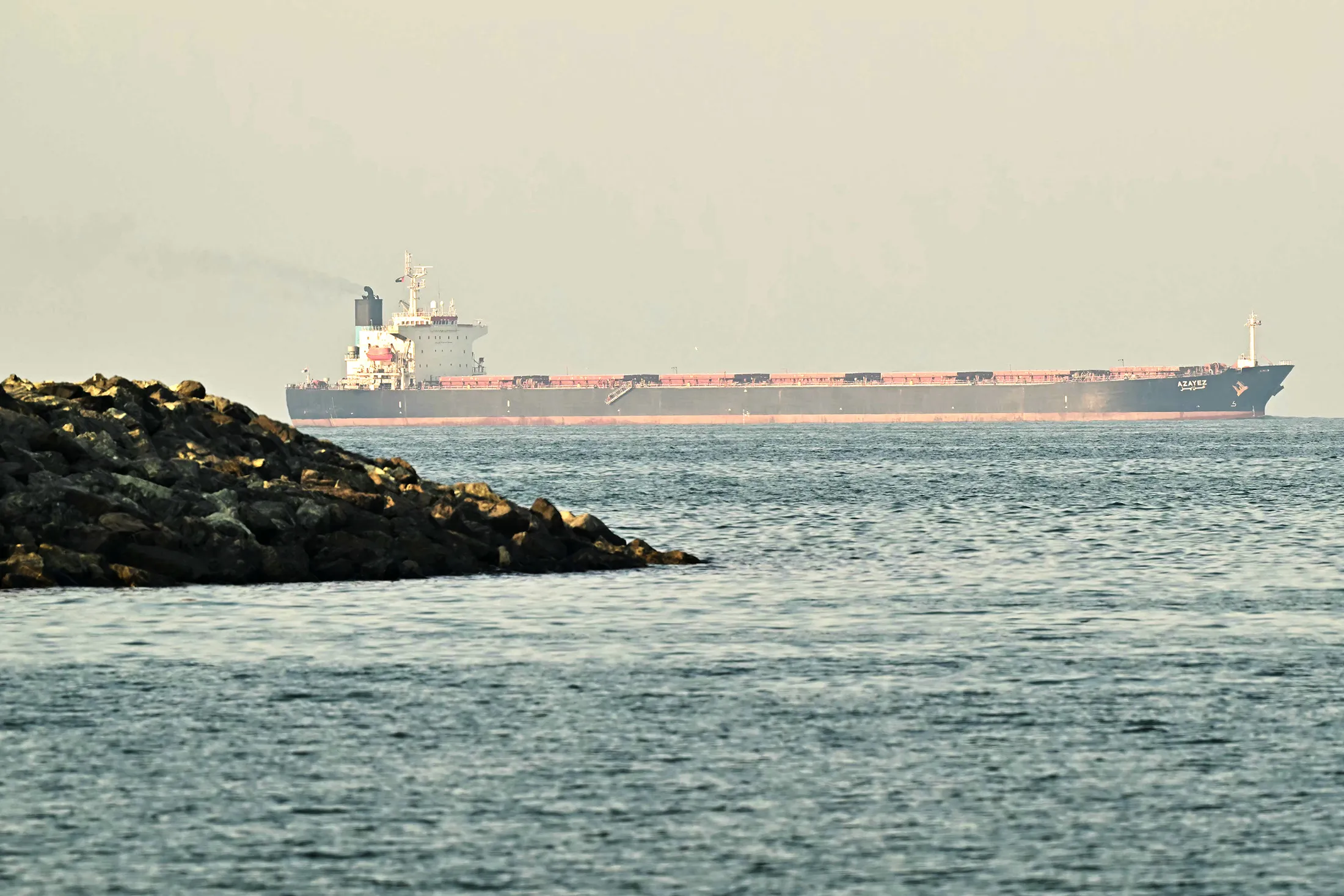
A growing number of empty supertankers have been turning away from the Persian Gulf as escalating Iranian attacks threaten a critical transfer hub for wartime oil shipments. At least 10 very large crude carriers and several Suezmax vessels approaching the port of Fujairah in the United Arab Emirates have stopped or reversed course in recent days, according to tanker-tracking data compiled by Bloomberg.
While other vessels continue into the region, the retreat of these tankers amid near-daily attacks around the Strait of Hormuz, some near Fujairah itself, raises fresh concerns over the sustainability of oil flows through the waterway. Fujairah is commonly used as an interim destination by vessels sailing to the Gulf of Oman, where they can collect cargoes via ship-to-ship transfer, or onward into the Persian Gulf. That makes the number of ships heading toward the port a broader indicator of tanker operators' appetite for approaching the waterway.
The shift threatens a key workaround that has helped Persian Gulf oil exports recover to near prewar levels. Large crude carriers can wait off Fujairah and in Omani waters outside Hormuz while shuttle tankers make the riskier transit through the strait, transferring crude for onward shipment to buyers. The system depends on a steady supply of receiving tankers, so a significant retreat by empty VLCCs could slow crude flows and tie up shuttle vessels for longer when tanker availability is already tight.
The pullback is striking given the financial rewards on offer. A global tanker shortage has pushed shipping costs to extraordinary levels. For example, hiring a vessel to haul oil from the US to China now costs more than launching a rocket into space.
Source: Bloomberg Markets · Summarized by HeadlinesBriefing