
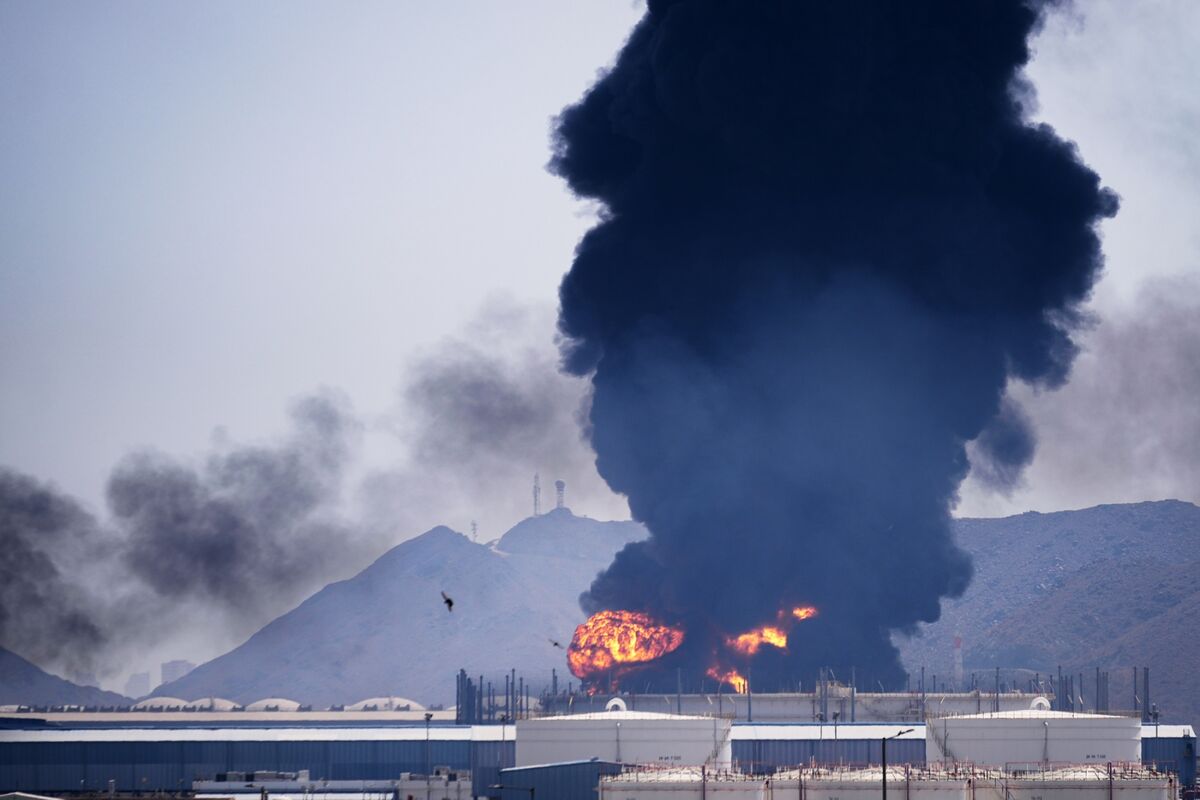
The key port of Fujairah in the United Arab Emirates has suspended oil loadings, according to a shipping agent and a person familiar with the matter, marking the latest halt after a series of earlier war-related strikes on the country’s only crude oil export route outside the Strait of Hormuz. This disruption comes as tensions escalate in the Red Sea and Gulf region, significantly impacting global oil flows. Fujairah serves as a critical transshipment hub for UAE crude, particularly heavy grades destined for Asia, and its closure exacerbates existing supply tightness. Fujairah’s suspension follows Strait of Hormuz attacks and Red Sea shipping disruptions, raising immediate concerns about UAE crude availability and potential price volatility. Market participants are now closely monitoring alternative export routes and inventories as the situation evolves.
While the exact duration of the Fujairah suspension remains unclear, the cumulative impact of these regional security incidents is already being felt. The UAE has historically relied on Fujairah for around 70% of its seaborne crude exports, primarily to Asian markets. This latest disruption compounds the challenges posed by the ongoing conflict in the Red Sea, where attacks on vessels have forced many carriers to avoid key shipping lanes, increasing transit times and costs. UAE authorities have yet to publicly comment on the Fujairah situation or the broader security concerns driving these halts.
The suspension of Fujairah loadings underscores the vulnerability of global oil supply chains to geopolitical instability in the Middle East. For investors and energy traders, this development adds another layer of uncertainty to an already complex market. UAE crude, particularly the heavy grades typically exported via Fujairah, plays a vital role in meeting Asian refining demand. The uncertainty surrounding its availability could put upward pressure on global oil prices, especially if alternative sources cannot immediately compensate for the lost volumes. The focus now shifts to whether this represents a temporary setback or the start of a more prolonged disruption to a critical oil export corridor.
Source: Bloomberg Markets · Summarized by HeadlinesBriefing