
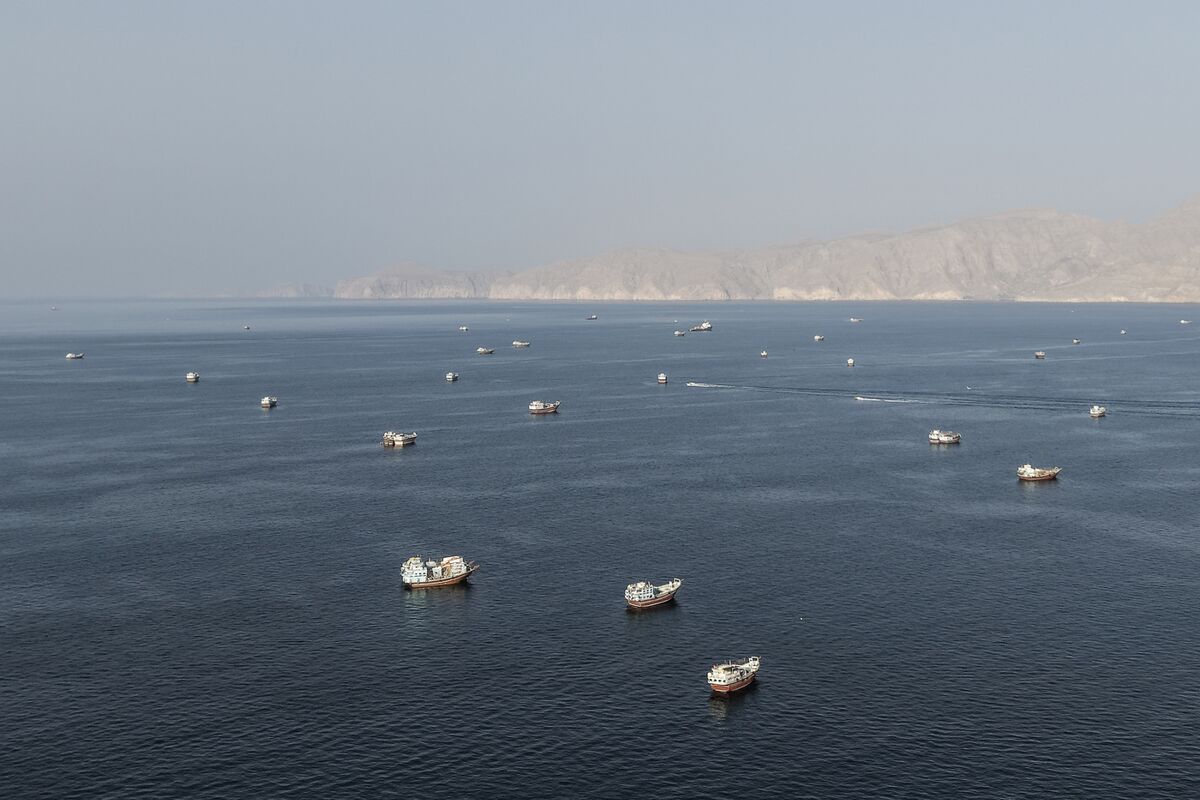
Iran has increased the pace of attacks on tankers in the Strait of Hormuz in recent days, just as oil shipments through the world’s most important energy chokepoint approach prewar levels. UK Maritime Trade Operations have reported nine attacks in the waterway already this month, half the total amount it reported for all of September in the Strait of Hormuz and Persian Gulf combined. Last month’s figure was boosted by four assaults in the final two days, underscoring the recent acceleration.
Vessels in Hormuz have been targeted for much of the Iran war, but with varying degrees of intensity. Maritime security officials and shipping executives have said it’s not yet clear whether the latest escalation will mean Hormuz shipments fall. The impact on seaborne gas flows, which also edged up in recent weeks, remains uncertain too.
“Iran appears to be seeking to assert greater control over the Strait of Hormuz through one of its most established instruments of coercion: fear and uncertainty,” Dimitris Maniatis, chief executive officer of risk management firm Marisks, wrote in a note. “Iran does not need to stop every vessel; it needs the maritime industry to believe that any vessel could be next.”
The flow of oil through the waterway has steadily picked up since the start of summer, and last week some Wall Street banks said shipments were approaching prewar levels. Top commodity traders said this week at the Energy Intelligence Forum in London that they see Mideast flows at around 80% of where they were before the conflict began. The latest assaults have also led to a fresh surge in freight rates, with the cost of carrying oil from inside the Persian Gulf to China rising to a record $1.3 million a day on Monday.
Source: Bloomberg Markets · Summarized by HeadlinesBriefing