
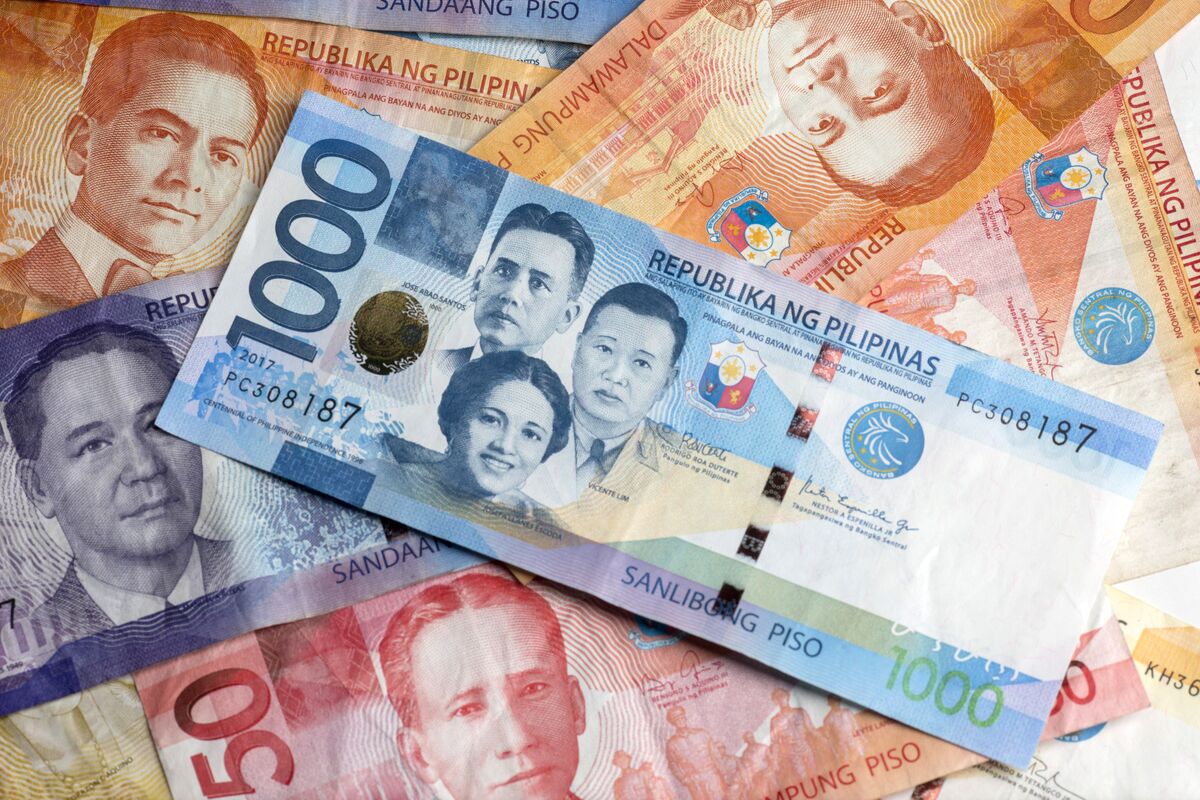
Philippine bonds, the worst-performing in emerging markets since the Iran war began, face further losses as inflation accelerates and the peso slides. Inflation in the archipelago accelerated to 7.2% last month from a year earlier, boosting the odds of another interest-rate increase by the central bank and weighing on sovereign debt. The peso has tumbled 6.3% this year, while its correlation to bond yields has climbed to a record.
These include elevated oil prices due to the ongoing Iran war, rising food prices due to the super El Niño drought and the impact from higher dollar-peso. Philippine bonds have handed investors a loss of 13% in dollar terms since the beginning of the Iran war, according to a Bloomberg index. That's the biggest decline among 19 emerging markets tracked by the gauges.
The nation's 10-year bond yield jumped to 7.99% on Wednesday, up from just 5.92% on Feb. 27 and was at its highest level since late 2018. Rising food prices have contributed to inflation. A strong El Niño may further threaten production and push food costs even higher.
Philippine bonds also came under pressure when El Niño last peaked in 2023 and 2024. Expectations of a weaker peso is also a threat to the nation's government bonds. The 90-day correlation between the dollar-peso exchange rate and the nation's 10-year bond yield climbed to a record 0.63 in September.
Demand has worsened at recent government bond sales as investors demanded higher yields. An auction of five-year debt on Sept. 2 drew a bid-to-cover ratio of just 1.22 times, the lowest for the tenor since 2013, data compiled by Bloomberg show. The government then canceled a sale of the same maturity scheduled for Sept. 22.
Source: Bloomberg Markets · Summarized by HeadlinesBriefing