
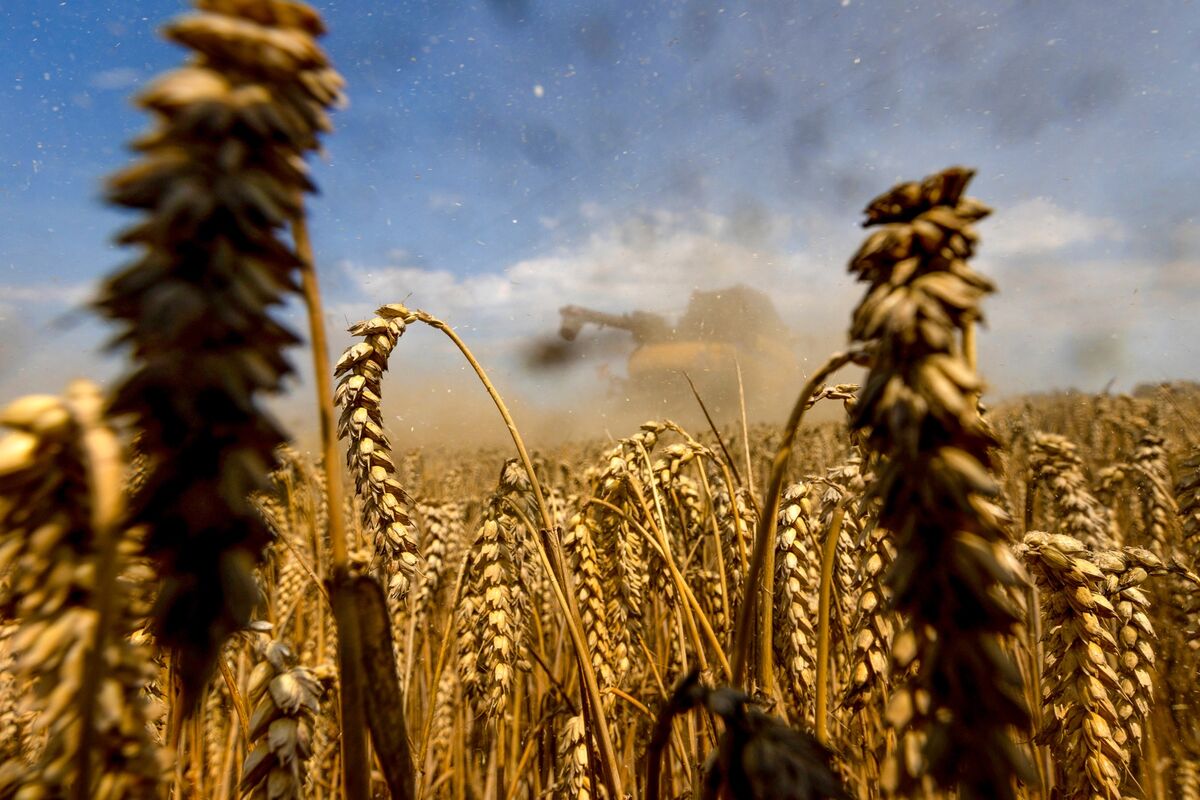
Asian wheat millers are cutting forward commitments as prices soar, with Black Sea disruptions choking supplies from one of the world’s top exporting regions. Some millers in Southeast and South Asia are covering needs only through December or even closer to delivery, according to traders and processors. Typically, they buy as far as six months ahead.
While buyers are hoping for the rally to ease, the strategy is also leaving them more exposed during a volatile period in the market. Southeast Asia consumes large quantity of wheat but produces little, making it the world’s second-largest importing region this season, according to the US Department of Agriculture. Mills have generally become more conservative in their buying strategies, reducing forward commitments and limiting purchases to nearby requirements, said Joe Sowers, regional vice president for South and Southeast Asia with US Wheat Associates.
Russia and Ukraine have escalated attacks on inbound ships and each other’s port infrastructure in recent months, sharply curbing exports. Wheat futures in Chicago surged more than 30% in the two months through August to the highest since February 2023, before plunging 13% in September. Ukraine’s grain exports this season have slumped 26% from a year earlier, while Russian wheat shipments plunged 75% in September.
Together, the two countries account for more than a quarter of global wheat exports. The shortfall has sent Asian buyers scrambling for alternative supplies, often at higher premiums, while efforts to broker peace have yet to produce a breakthrough. The uncertainty around the next Black Sea wheat shipment is creating a significant supply challenge for Sri Lankan mills, said Manoj Ekanayake, a senior milling professional from the South Asian nation, at the International Association of Operative Millers’ Southeast Asia Region conference in Kuala Lumpur.
Mills are drawing support from Southern Hemisphere harvests expected to reach the market in the coming weeks. India’s lifting of a wheat export ban in August has also added some supplies, with shipments to neighboring Bangladesh and Sri Lanka already resuming. Still, the global wheat market remains heavily dependent on the Black Sea, and reduced shipments risk exacerbating already elevated food costs.
With the current situation in the Black Sea, our hands are tied and our options are limited, said Jaynard Alejandrino, a mill manager in the Philippines, on the sidelines of the conference. We have to play it the right way, because one mistake can cost us a lot.
Source: Bloomberg Markets · Summarized by HeadlinesBriefing