
Michał Wójcik, a former neuroscientist, has made a second career of hunting AI-generated or plagiarized papers that still pass peer review at major publishers such as Springer Nature and Elsevier. He shares his findings on LinkedIn and Bluesky, despite publishers' large expert teams and expensive digital tools that are supposed to keep such material out of the editorial process.
One example he highlighted was a September 2026 paper in Elsevier's Cell Press journal The Innovation, "Quantum evidence of nonlocal consciousness during clinical death." Its authors, including Álex Escolà-Gascón, presented a bizarre clinical trial supposedly proving an immortal soul and life after death, along with a graphical abstract of obvious AI slop. That paper at least attracted readers, though most came to laugh rather than learn.
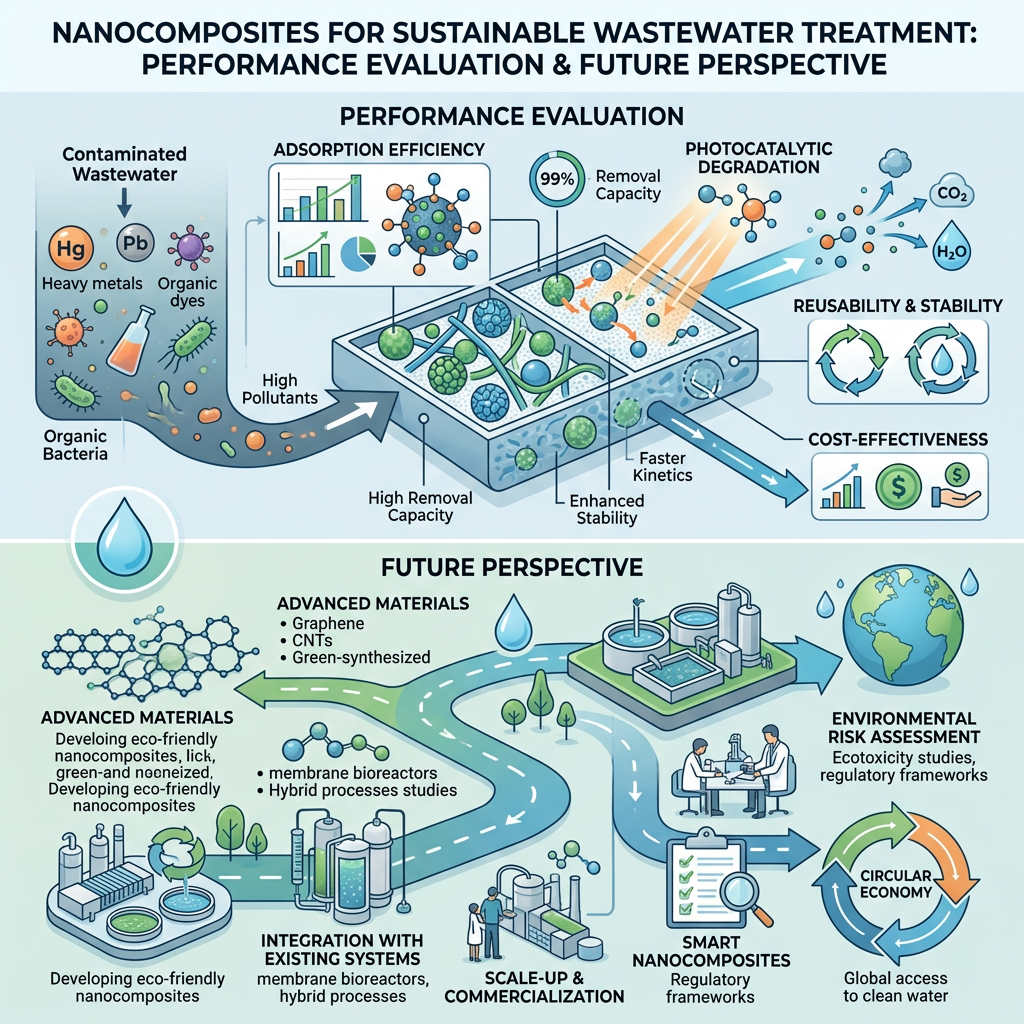
Wójcik's latest focus is on book chapters that nobody has read and nobody ever will, not even their authors. These are cheap fabrications sold in subscription packages, and some printed copies are bought by librarians who assume their university's money is well spent. He points to Elsevier's "Nanomedicine Advancements and Intersectional Perspectives for Women's Health," which carries a nonsensical illustration, and to Springer Nature's "Nanocomposites for Sustainable Wastewater Treatment," whose opening chapter he describes as AI slop of striking quality.
The pattern, Wójcik argues, is a worrying sign of how weak editorial processes have become. Problems range from fabricated references to hallucinated images, and they are hard to categorize but often easy to spot. Even without reading the content, a reader can usually tell that these works are not worth the paper they are printed on.
Source: Hacker News · Summarized by HeadlinesBriefing