
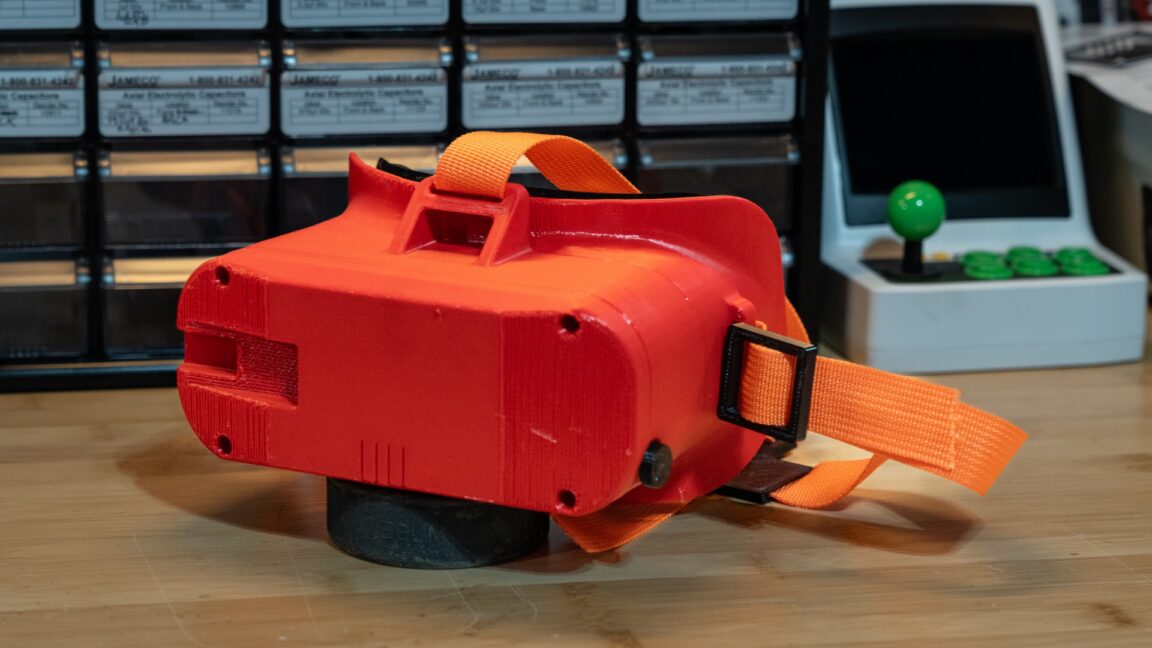
Virtual reality is in an odd place today. After a burst of hype with the 2016 release of the Oculus Rift, and big bets from Mark Zuckerberg and Apple's Vision Pro, momentum for alternate realities has steadily faded. Many companies, Apple included, have scaled back or shelved their efforts, and the most interesting developments increasingly come from enthusiasts.
One of those developments is DIY VR. With a couple hundred dollars in components and many hours of work, hobbyists can build their own headset while experiencing the highs and lows of soldering, firmware flashing, and 3D printing. The author, who primarily uses VR for sim racing, became interested after Microsoft began dropping support for Windows Mixed Reality and he feared he would need a new headset. Instead, he found CNCDan's video on building a VR headset for $150, which opened the door to a rich landscape of DIY tools and hardware advice.
Several open projects make the process easier. Relativty VR, started in the late 2010s by Jonas Ceccon, Gabriel Combe, and Maxime Coutté, includes the code, configurations, and guidance needed to get started. Others include Open VR Arduino HMD, Project North Star, and the full-body tracking Slime VR. The core hardware is an Arduino, an IMU, and a set of tiny displays, housed in a shell that is typically 3D printed.
The bill of materials is where patience becomes essential. A 3D printer is the most important piece of hardware, and while mail-order printing services exist, printing at home is advantageous given the amount of tinkering involved. Displays are typically the most expensive component. Global shipping uncertainty can also stretch the timeline. The result is a rewarding but demanding hobby that remains decidedly niche.
Source: Ars Technica · Summarized by HeadlinesBriefing