
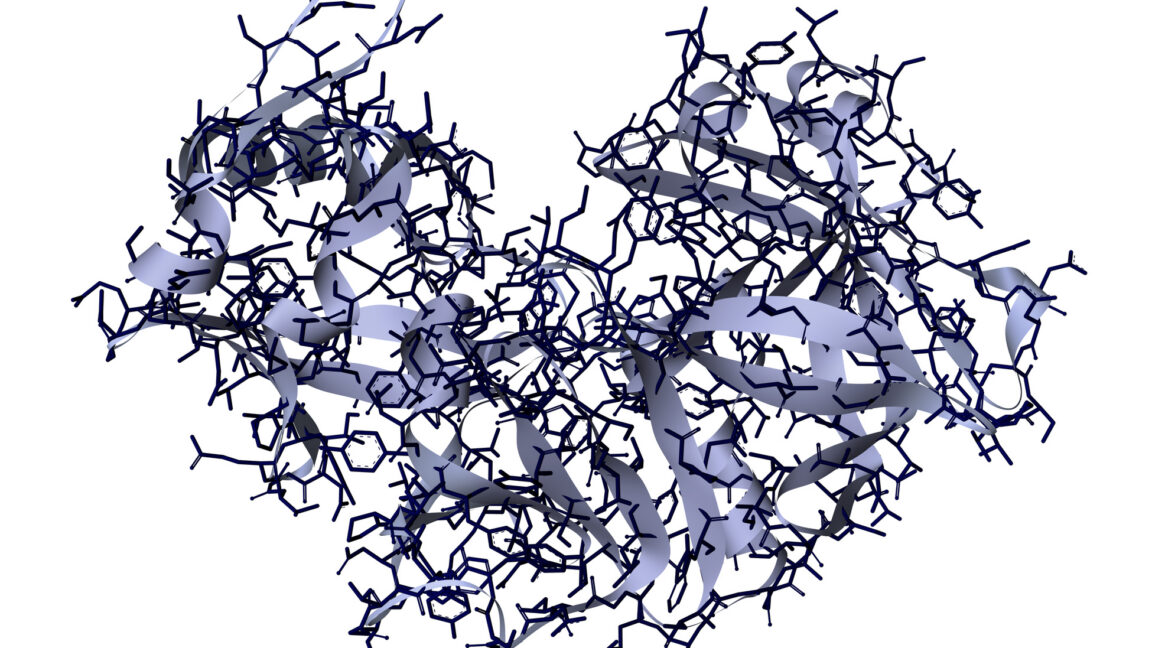
Researchers have used AI-based protein design tools to create enzymes that break peptide bonds, which are normally stable for hundreds of years. By taking the catalytic cores of two protease types—a zinc protease and a cysteine protease—and replacing the rest of the protein structure, they engineered custom enzymes capable of cutting specific proteins in half. These designer enzymes were tested on proteins linked to neurological diseases, demonstrating their potential for targeted therapeutic applications.
The process relies on reversing peptide bond formation, which requires enzymatic catalysis due to the bond’s inherent stability. The zinc protease uses a zinc atom to coordinate the bond and activate a water molecule, while the cysteine protease forms a temporary enzyme-substrate intermediate before hydrolysis. Both mechanisms depend on precise spatial arrangement of key amino acids in the catalytic center, with the rest of the protein influencing specificity.
This approach bypasses natural evolutionary diversification, allowing rapid design of highly specific proteases. The work, led primarily by researchers from David Baker’s lab at the University of Washington, opens new possibilities for treating diseases by degrading harmful proteins.
Source: Ars Technica · Summarized by HeadlinesBriefing