
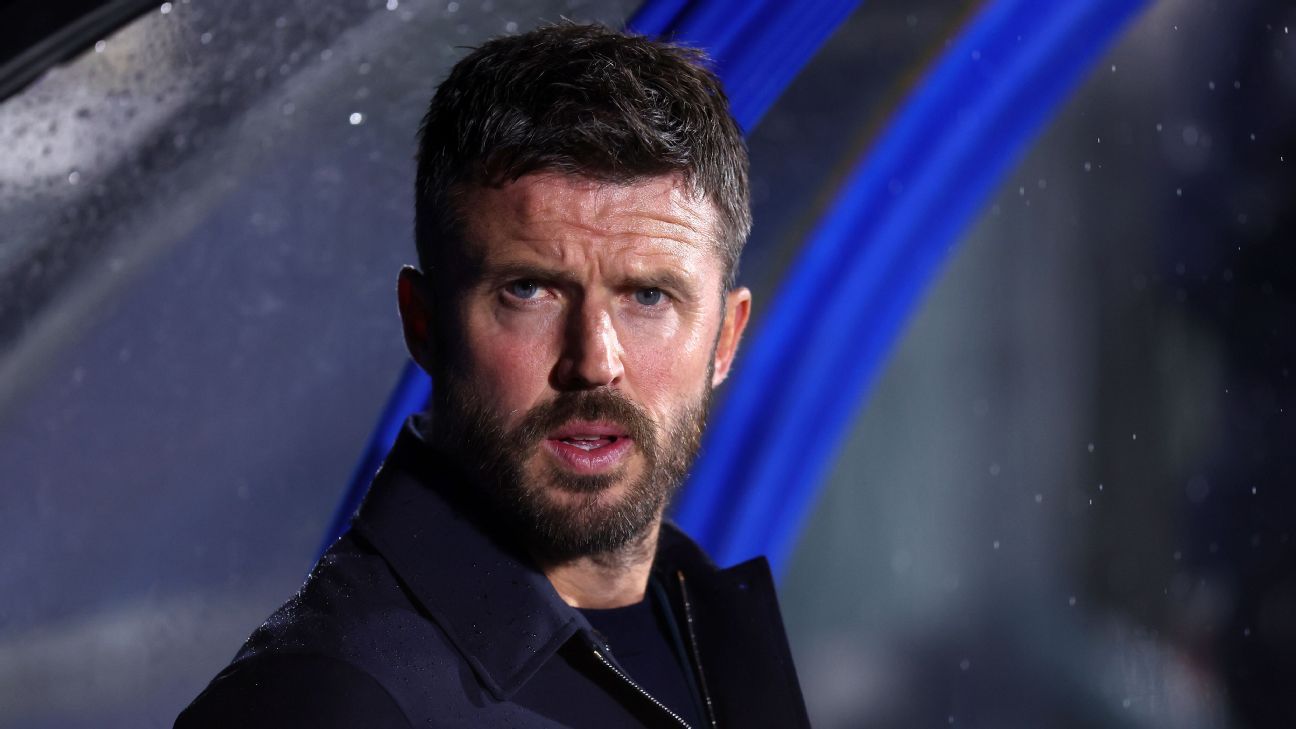
Manchester United are in crisis again. The club is enduring its worst start to a season in 40 years and suffered its heaviest Champions League defeat since 1994, a 4-1 loss to Como this week. So who is to blame? The owners, the Glazer family and Sir Jim Ratcliffe, the senior executives, the manager or the players? ESPN's assessment is that the club's prolonged and deep-rooted decline can be attributed to all of them.
The Glazers have owned United since 2005, following a controversial leveraged buyout in which the family paid £790 million but borrowed £600 million, using the club as security. The previously debt-free club was instantly plunged into £600m of debt. During 21 years of Glazer ownership, over £1 billion has left the club through debt repayments, interest, refinancing costs and dividends, an average of £50m a year on non-football costs. Old Trafford has decayed, and the team has suffered from long-term under-investment.
In February 2024, the Glazers handed control of football operations to minority owner Sir Jim Ratcliffe in exchange for a 27.7% stake, a £1.25 billion payday. Ratcliffe promised to overhaul the club and made early hires, including Omar Berrada as CEO. However, he fired director of football Dan Ashworth within six months and has since lurched from one self-inflicted crisis to another. Ratcliffe oversaw more than 500 job cuts, claiming the club would "go bust by Christmas" without action, and his cutbacks have reached the player recruitment budget. This summer, United spent less than half of Chelsea's and Tottenham's outlay and a third of City's £450m spending.
Sources say morale has plummeted under the financial restrictions, and supporters have been angered by ticket price rises and controversial public statements. Managerial churn has compounded the problem, with Erik ten Hag kept on and given a new two-year contract before being fired in October 2024.
ESPN's conclusion is that blame is shared across ownership, executives, managers and players, and that the cycle of failure will be hard to break until the underlying problems are addressed.
Source: ESPN Soccer · Summarized by HeadlinesBriefing