
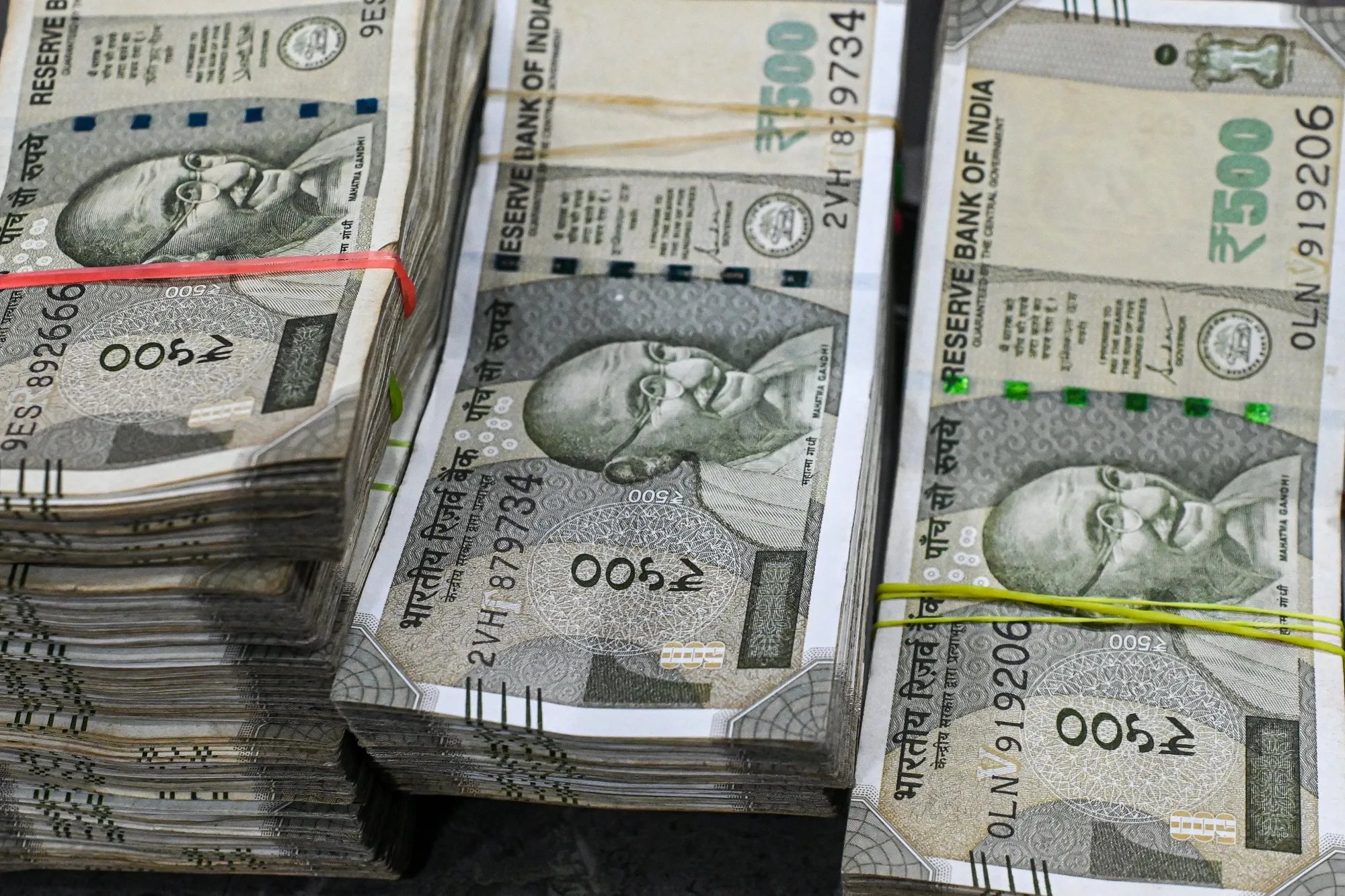
Despite India's economy growing faster than peers, the rupee has weakened annually since 2018. The decline accelerated after Trump imposed steep tariffs on Indian imports and an energy-price shock from the Iran war pushed the currency to record lows. A weak rupee raises energy import costs and reduces funds for subsidies affecting hundreds of millions.
In late March and early April, the RBI took aggressive steps to support the currency, including selling dollars from reserves and using offshore derivatives. The government allowed fuel prices to rise and curbed gold imports, but these measures provided only brief relief as dollar outflows continued. In October, the RBI implemented its most radical currency-support measures since the 2013 crisis.
Long-term structural issues like historically high inflation, volatile food prices, supply-chain inefficiencies, and low productivity in the informal economy also contribute to rupee weakness. Since the start of the year, foreign investors have offloaded over $30 billion in Indian stocks, worsening the current-account deficit. However, a weaker rupee makes Indian exports more competitive and benefits the $135 billion in annual remittances received by Indians abroad.
In June, the RBI launched initiatives to attract dollar inflows, encouraging overseas Indians to deposit funds locally, which raised a record $143.6 billion and helped boost foreign-exchange reserves.
Source: Bloomberg Markets · Summarized by HeadlinesBriefing