
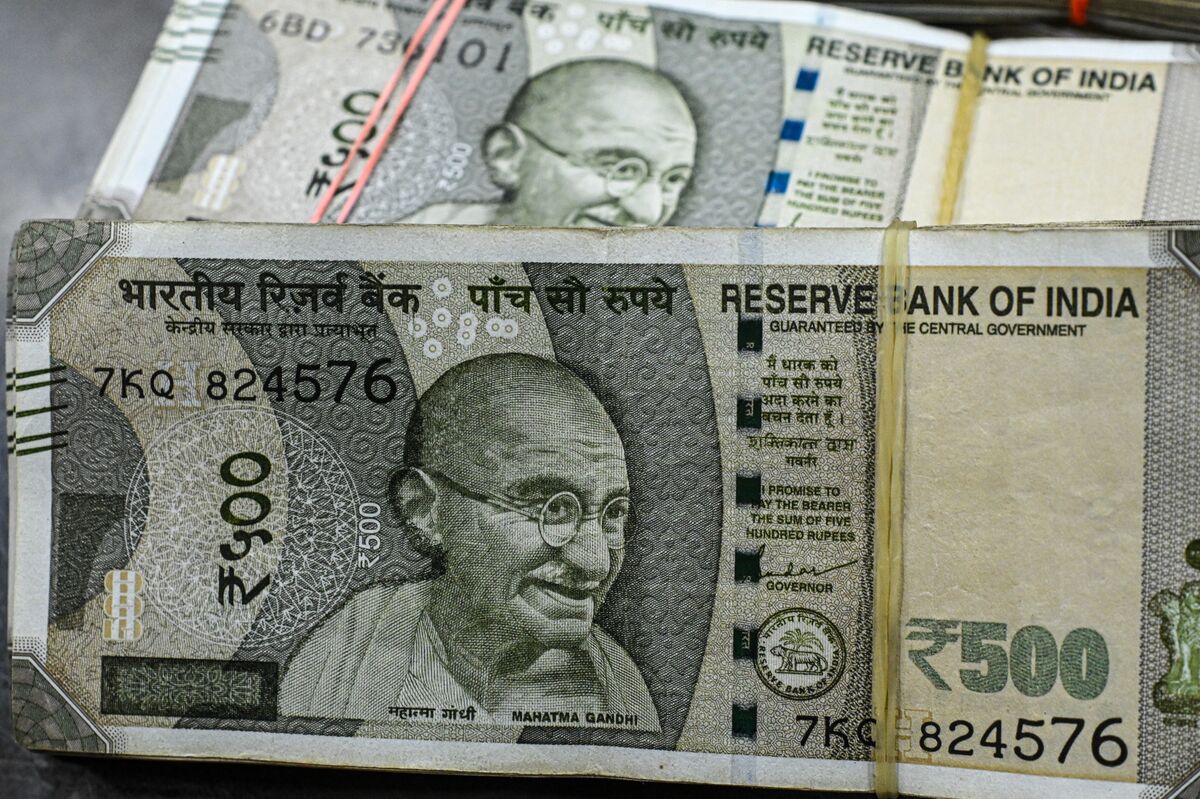
India's boldest effort in more than a decade to support the rupee may offer only temporary relief, with persistent currency weakness complicating the central bank's task as inflation approaches the top of its tolerance band. While the newly imposed measures propelled the rupee to its biggest gain in six months, longer-term pressures — from India's dependence on imported energy to its twin deficits and volatile capital flows — are proving harder to counter, according to economists and investors. Failure to tackle those pain points may keep the rupee under strain, adding to inflation and forcing the Reserve Bank to be more aggressive in hiking interest rates.
Crude oil and gold account for a large share of India's imports and trade deficit, making the economy particularly sensitive to swings in their prices. With both commodities becoming more expensive, India's import bill has ballooned, increasing demand for dollars and straining the rupee. The RBI's latest steps aim to ease some of that pressure by supplying dollars directly to state-run oil companies and restricting banks from taking certain positions in the currency market.
Foreign investors have pulled a record net $32 billion from Indian stocks so far this year, contributing to a 14% drop in the benchmark Nifty 50 Index and leaving India among the world's worst-performing major equity markets. Rising global interest rates have added another layer of pressure, with the extra yield investors receive for holding rupee-denominated debt rather than US assets near a multi-decade low.
Source: Bloomberg Markets · Summarized by HeadlinesBriefing