
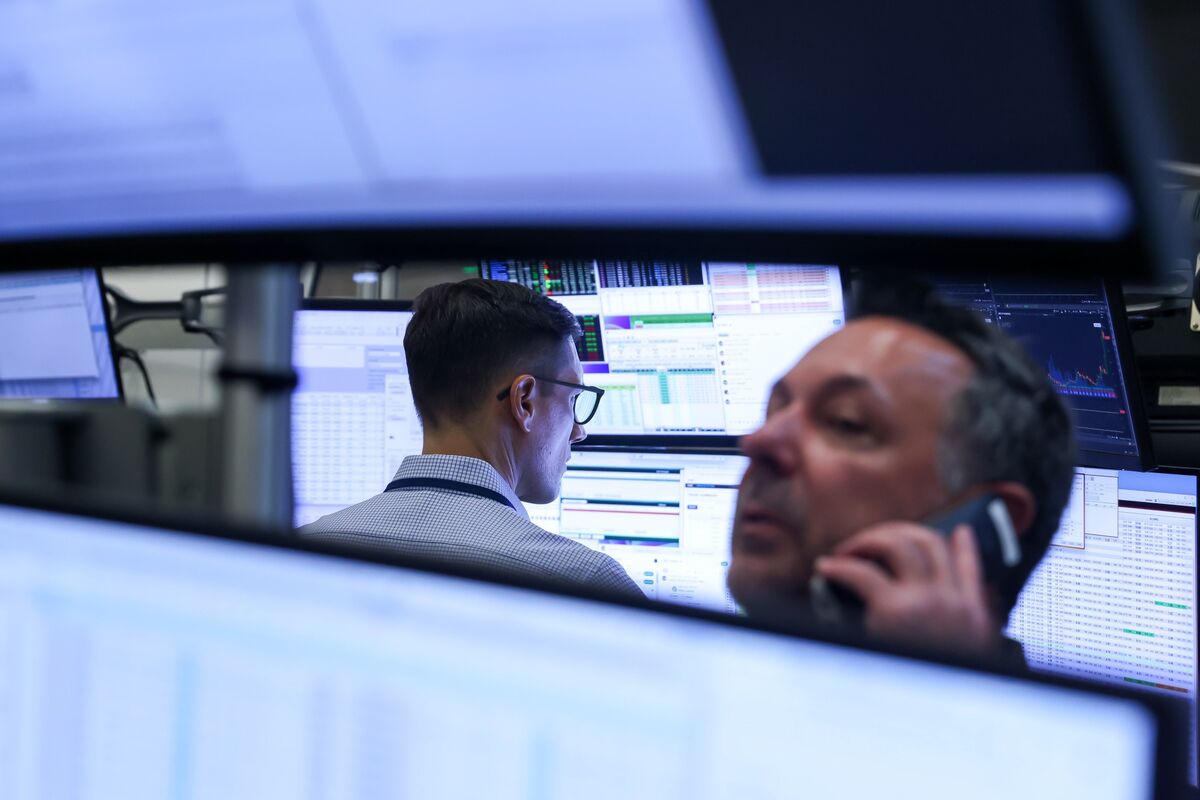
الصناديق السريعة المال (Quant Funds) تزيد من تعرضها للأسهم الأمريكية بينما ينسحب المستثمرون विवेक (Discretionary Investors)، according to Deutsche Bank data, creating the second-widest gap between the two groups since 2020. المستثمرون विवेक, focalized على growth الاقتصادي and strength of earnings, have reduced stock exposure to the bottom-third of the range due to concerns over high Treasury yields, the war in Iran, and persistent inflation. في حين، continue الصناديق driven by computers buying stocks, benefiting from steady index gains and declining volatility. هذه divergence highlights a growing split in market participation, with systematic funds acting as fast-moving but not necessarily large players. Volatility control funds, which increase equity exposure in calm markets and reduce it during turbulence, have been buying stocks as the S&P 500’s realized one-month volatility remains near 9.9 — its lowest level since June. This environment has allowed systematic strategies to accumulate positions, pushing equity exposure among quant funds to the 86th percentile, near yearly highs.
Strategists warn that the gap cannot widen much further, meaning one side must concede soon. If prices keep rising, quant funds may be forced to keep buying, eventually compelling discretionary investors to re-enter. Conversely, a selloff could prompt discretionary traders to take profits, triggering volatility and causing systematic funds to unwind.
While an exogenous shock or sustained downturn would be needed to flip systematic positioning, current conditions suggest the market may continue its advance, supported by discretionary investors’ dry powder for future buying.
المصدر: Bloomberg Markets · لخّصه HeadlinesBriefing