
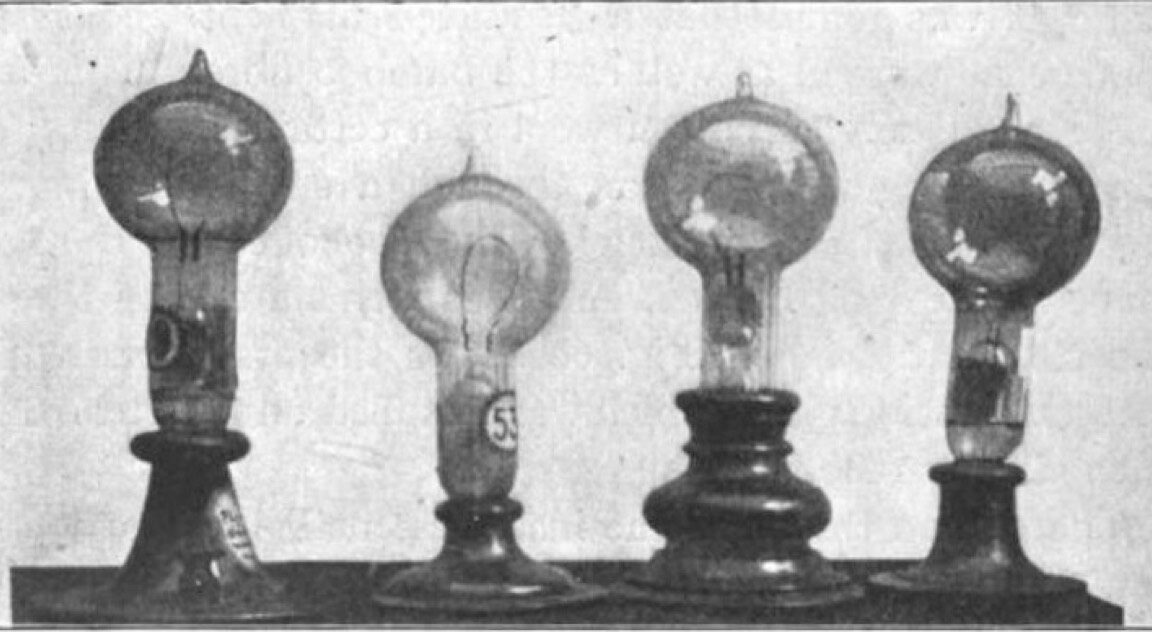
Rice University chemists have recreated Thomas Edison’s 1879 incandescent‑bulb test and discovered that the high‑temperature flash heating of carbonized bamboo filaments can yield graphene. Their findings, published in *ACS Nano*, suggests the legendary inventor may have unintentionally produced the one‑atom‑thick material a century before its official synthesis.
Co‑author James Tour explained that reproducing Edison’s setup with a 110‑volt source and 20‑second pulses reaches the 2000‑3000 °C range needed for turbostratic graphene formation. Graduate student Lucas Eddy sourced authentic‑style bamboo‑filament bulbs, avoiding modern tungsten versions, and confirmed graphene layers with transmission‑electron microscopy. The approach mirrors flash Joule heating, a scalable route to cheap graphene.
If Edison’s accidental graphene proved viable, it rewrites part of materials history and hints that other forgotten 19th‑century experiments could hide modern nanomaterials. Commercially, leveraging inexpensive bamboo filaments and simple power supplies might lower production costs for batteries, sensors, and flexible displays. Researchers now plan to test additional historic patents for hidden nanostructures.
Source: Ars Technica - All content · Summarized by HeadlinesBriefing