
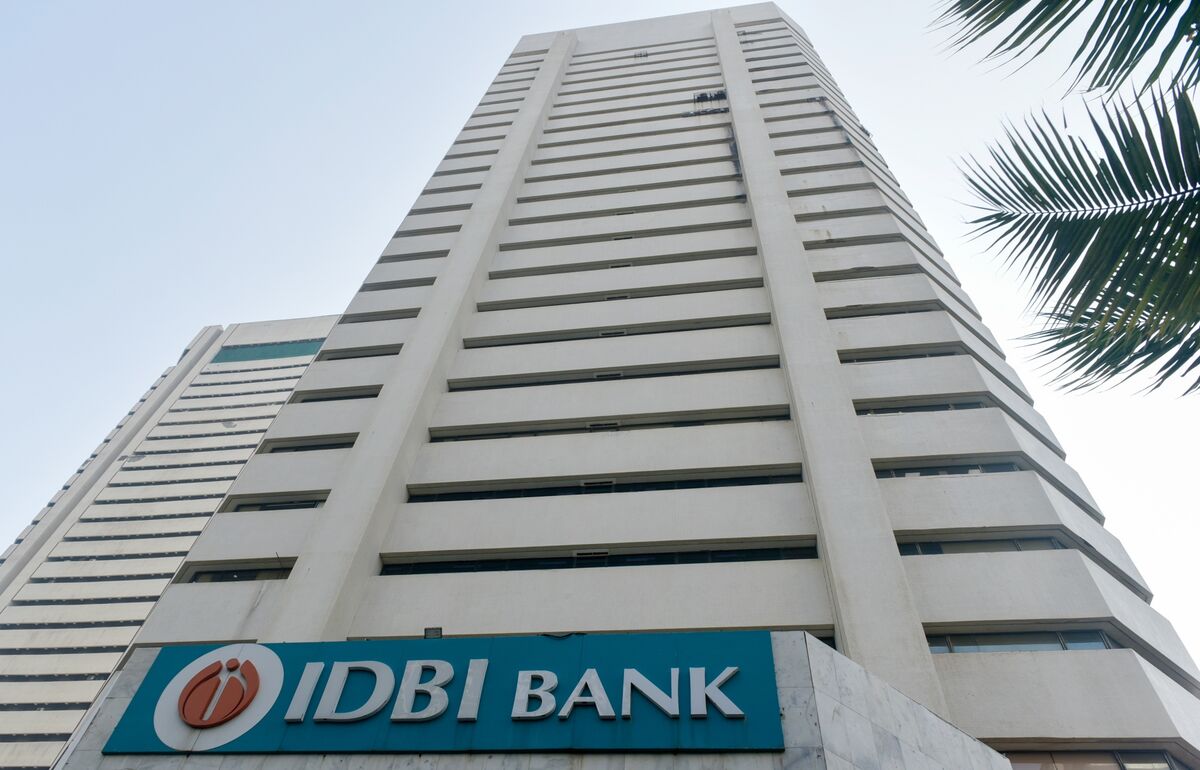
India’s long-awaited sale of IDBI Bank Ltd. will provide the government of Prime Minister Narendra Modi some fiscal relief as surging fuel prices and dwindling foreign inflows add to pressure on the economy. The 528.78 billion-rupee ($5.6 billion) deal will push asset-sale proceeds past the government’s annual target of 800 billion rupees for the first time in seven years. The one-off windfall gives the government room to cushion households from $100-plus oil without jeopardizing its 4.3% deficit target, economists said. The relief may prove short-lived, however, if crude prices remain high.
"The stake sale will boost the government’s coffers," said Gaurav Kapur, economist with Indus Ind Bank Ltd. "The money helps the government comfortably meet its deficit targets, but also gives it adequate funds to carry on with fuel subsidies for longer, considering international oil prices could remain above $100 a barrel for an extended period."
India imports about 90% of its crude oil requirements, leaving it particularly vulnerable to the surge in global prices. The government has already cut fuel taxes to cushion consumers, while state-run oil retailers have kept pump prices unchanged despite rising international costs. Those measures are taking a toll on public finances. Excise duty collections fell 23% in the first five months of the fiscal year that began in April, according to ratings company ICRA. The fiscal deficit reached 7.1 trillion rupees over the same period, or nearly 42% of the full-year target. ICRA warned last month that the government could overshoot its deficit goal by as much as 1.4 trillion rupees unless it finds savings elsewhere.
So far, a strong economy is offering some buffer. India collected 14.3 trillion rupees ($149 billion) in gross direct taxes during April 1 to Sept. 17, an increase of 15.2% from a year ago.
"The government needs to build fiscal buffers against unforeseen global and domestic risks, particularly amid uncertainty around the Middle East crisis and risks of rising subsidy and import costs," said Madhavi Arora, economist with Emkay Global Financial Services Ltd. "Moreover, divestment has consistently lagged budgeted targets in recent years, making a stronger push this year both necessary and timely."
The sale comes as the Indian rupee is among the worst-performing currencies in Asia. Over the weekend, India’s central bank rolled out a series of measures to support the sliding rupee in its strongest action since the country’s currency crisis in 2013. Reserve Bank Governor Sanjay Malhotra this week said policy makers would consider further measures, if needed. The IDBI transaction also marks a significant breakthrough for India’s privatization program, which has repeatedly fallen short of government targets. New Delhi had budgeted 800 billion rupees from stake sales and asset monetization this fiscal year, after years of disappointing receipts. Still, the proceeds provide only temporary relief. Unlike tax revenue, which flows into government coffers every year, privatization receipts are a one-time gain. A prolonged period of high oil prices could therefore erode the fiscal cushion, particularly if New Delhi continues shielding households from higher fuel costs, economists said.
"If fuel prices remain elevated, the government may need to consider a slower pace of fiscal consolidation or moderate the growth in public capital expenditure" in the year-ending March 2028, said Garima Kapoor, an economist at Elara Capital. "This will keep the focus on strategic disinvestment and asset monetization as the government seeks to balance its fiscal priorities with the need to sustain growth."
Source: Bloomberg Markets · Summarized by HeadlinesBriefing