
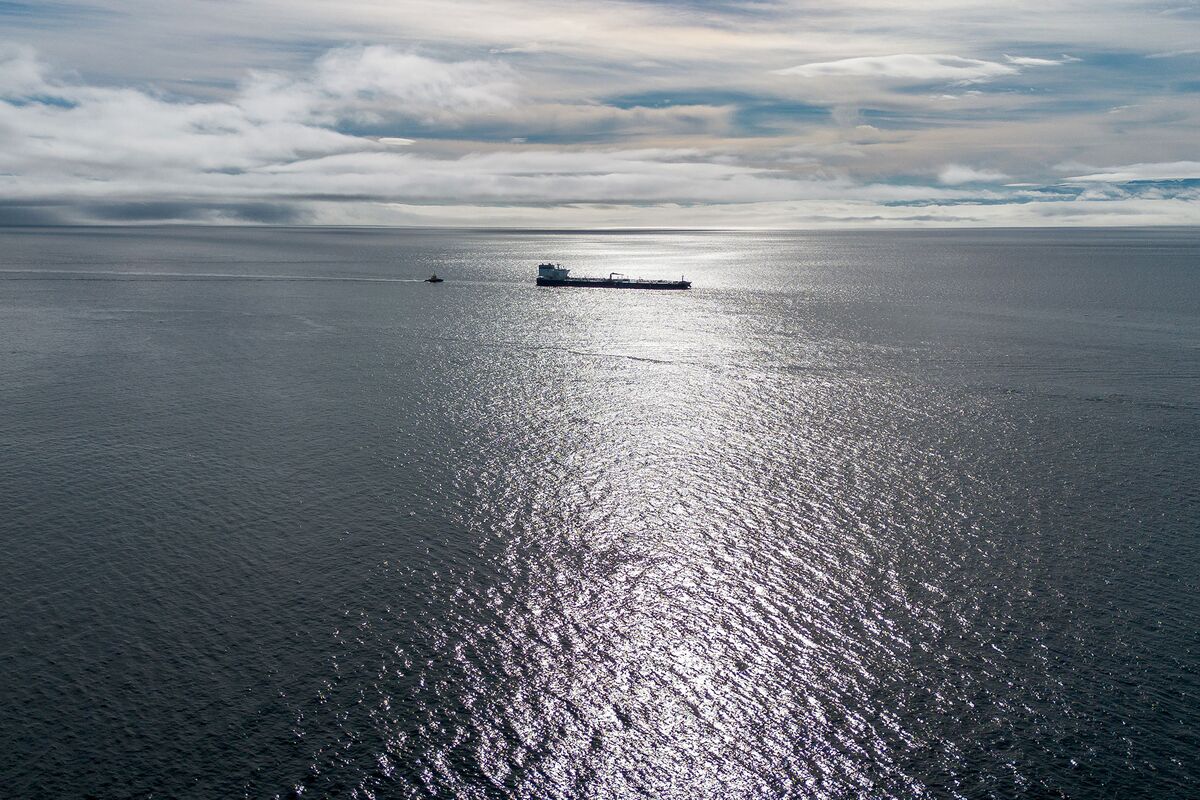
Shipowners face a fragmented fuel market as Middle East conflict disrupts trade routes, forcing longer journeys and raising supply concerns. Ships avoid familiar ports near the Strait of Hormuz and Red Sea, diverting to the Atlantic Basin. This shift turns other locations into bunkering hubs and drives up fuel prices.
Frederik Guttormsen of Stolt-Nielsen Ltd. warns that bunkering can no longer be a routine decision, citing risks to prompt supply. Middle East oil flows strain from recent attacks, pushing bunker prices higher. Singapore remains the world's biggest refueling hub, while vessels avoid Fujairah.
Other locations seeing higher demand include Port Louis in Mauritius, South Africa, West Africa, Brazil, Sri Lanka, and Pakistan. Kenneth Dam of TFG Marine notes vessels refuel more frequently with smaller volumes to mitigate price risk. Peter Grünwaldt of Hafnia Ltd. emphasizes securing fuel availability at key ports.
Procurement must be more structured to navigate smaller sellers and wider price disparities at less familiar ports.
Source: Bloomberg Markets · Summarized by HeadlinesBriefing