
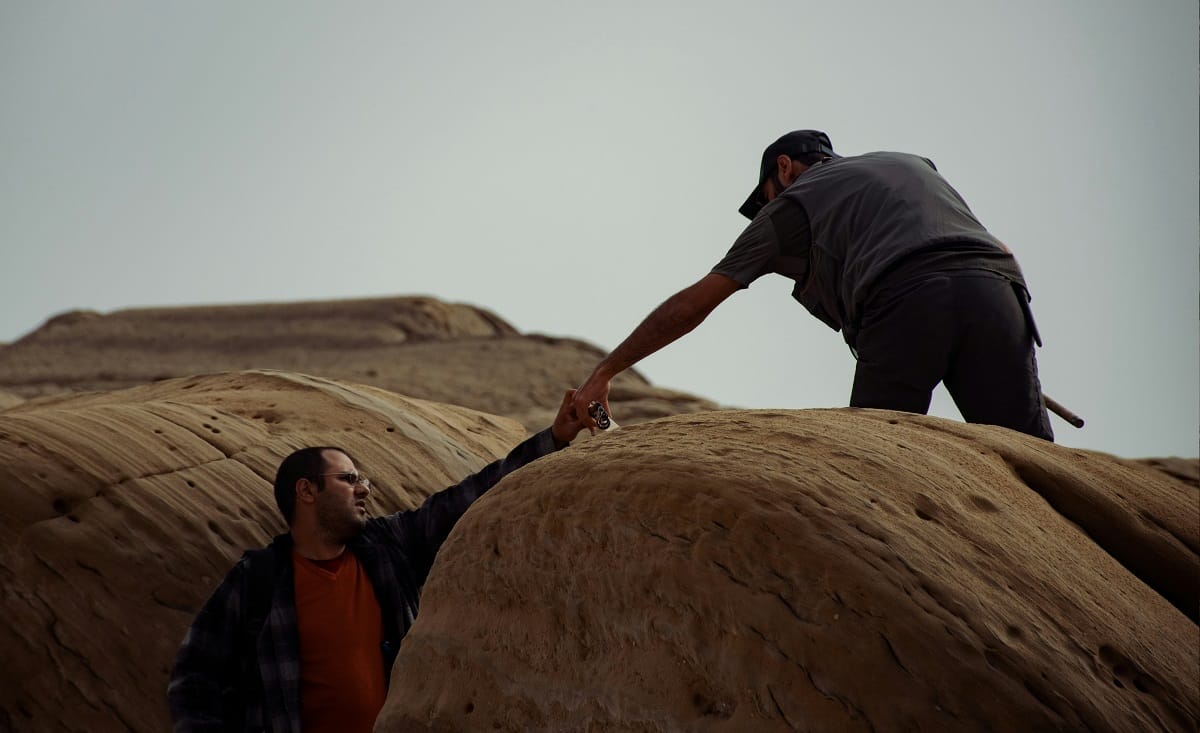
The future of independence is interdependence. I spend most of my life in one room. At first glance, that may not sound much like independence. I cannot easily walk through my house. I need my husband’s help with some ordinary tasks. My daughter brings me things from the outside world. Groceries, medications, meals, and almost everything else arrive through the door. I use mobility equipment, delivery services, remote appointments, adaptive tools, and an improbable number of charging cables. My room has been engineered around what my body can and cannot do. There is an adjustable bed, a trapeze bar, a stability pole, shelves within reach, rolling carts, grabbers, remotes, and devices mounted to the wall. A small keyboard has a grip attached so I can hold it without dropping it. My tablet docks beside the bed. Bags hang from improvised hooks. None of this happened all at once. The room evolved through years of trial and error, frustration, invention, and help from people who love me.
It would be easy to look at this arrangement and see dependence. But I look at it and see a functioning life. From this room, I write articles, attend appointments, talk to friends, manage projects, edit essays, and take classes in graduate school. The assistance and technology surrounding me do not prevent independence. They make my version of it possible. This only sounds contradictory because our culture has adopted a bizarre definition of independence: doing everything yourself, without visible assistance. By that standard, almost no one is independent. The myth of the self-sufficient person imagines a capable adult who earns their own money, drives their own car, maintains their own home, and handles their own problems. Yet the supposedly self-sufficient person wakes in a home built by other people, turns on electricity delivered through a vast public infrastructure, drinks water transported through municipal pipes, eats food grown and shipped by strangers, and drives on roads they did not construct. They rely on mechanics, doctors, pharmacists, sanitation workers, software developers, farmers, warehouse employees, electricians, and thousands of people they will never meet. Increasingly, they also rely on algorithms. The difference between their dependence and mine is not that mine exists. It is that mine is visible.
Our culture is selective about which kinds of assistance count as evidence of inadequacy. A person who drives to the grocery store is considered independent, although the car depends on fuel, roads, mechanics, insurance, and a global manufacturing network. A person who orders groceries because they cannot walk through the store may be considered dependent. A wealthy person can outsource cooking, cleaning, transportation, scheduling, and shopping while remaining a model of success. A poor or disabled person who needs help with the same tasks may be expected to prove they have exhausted every other possibility. The distinction is rarely about whether assistance is involved. It is about whose assistance has been normalized, purchased privately, concealed, or transformed into status. Some people have the privilege of making their dependence invisible. Disabled people often do not. Our wheelchairs, canes, aides, ramps, medication organizers, and modified environments announce that human beings require support. This may make people uncomfortable because it undermines the fantasy that they do not. Part of the problem is that we confuse independence with autonomy. They're not the same thing. Independence, as our culture usually defines it, means completing a task without help. Autonomy means having meaningful control over your own life.
Source: Hacker News · Summarized by HeadlinesBriefing