
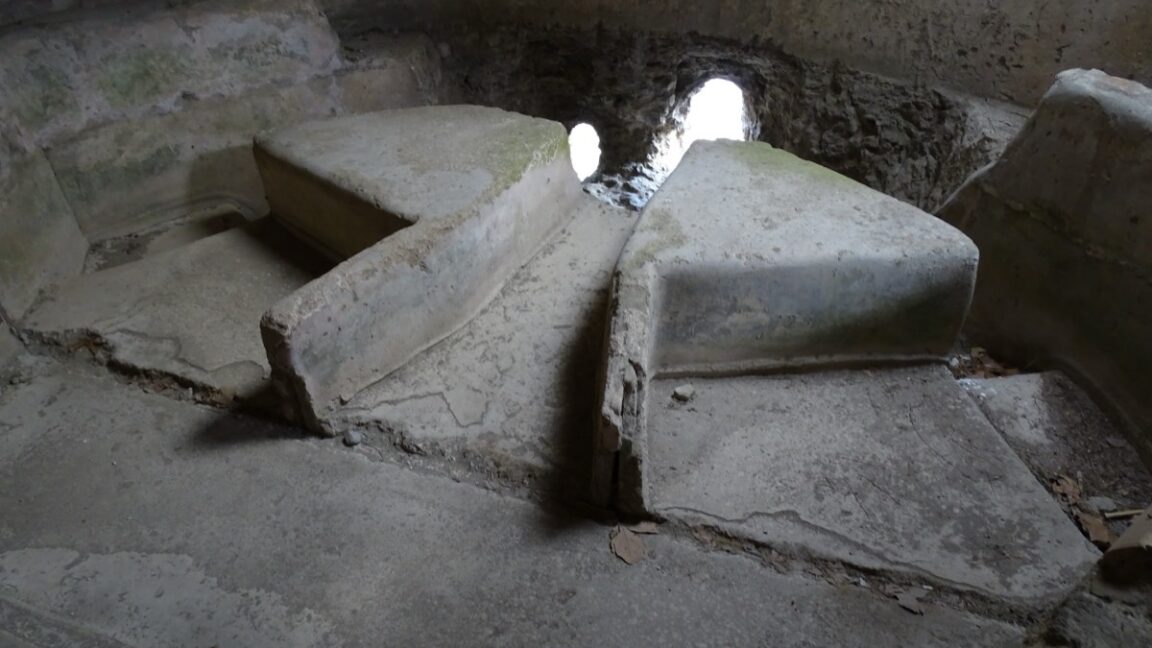
A new analysis of mineral deposits reveals how Pompeii’s public baths switched from stagnant wells to a flowing aqueduct, improving hygiene. Researchers examined calcium carbonate layers from the Stabian, Republican, and Forum baths, tracing water chemistry from 80 BCE to 62 CE. Early reliance on deep well shafts meant limited water changes, leaving clear traces of human waste in heated pools.
After an aqueduct arrived during Augustus’s reign, water quality improved dramatically. The study shows that infrastructure upgrades mattered. Wider well shafts reduced turbulence, while new boilers and pipes cut contamination.
By the time of the 62 CE earthquake, the baths used fresher water. This matters because it links engineering choices to public health in the ancient world. What happens next? Archaeologists will likely compare these findings to other Roman cities to see how widespread such upgrades were.
Source: Ars Technica - All content · Summarized by HeadlinesBriefing