
Newcastle United reported £335.3m in annual revenues for 2024-25, a £15m increase from the prior year, with commercial income surging 44% to £120.1m. However, these figures trail Premier League leaders like Liverpool (£700m) and Manchester United (£640m), highlighting the club's ongoing financial challenges. Despite a £129m profit from selling St James' Park to a linked entity, CEO David Hopkinson emphasized that revenue from this season's Champions League and the £125m sale of Alexander Isak to Liverpool were excluded from the reported totals.
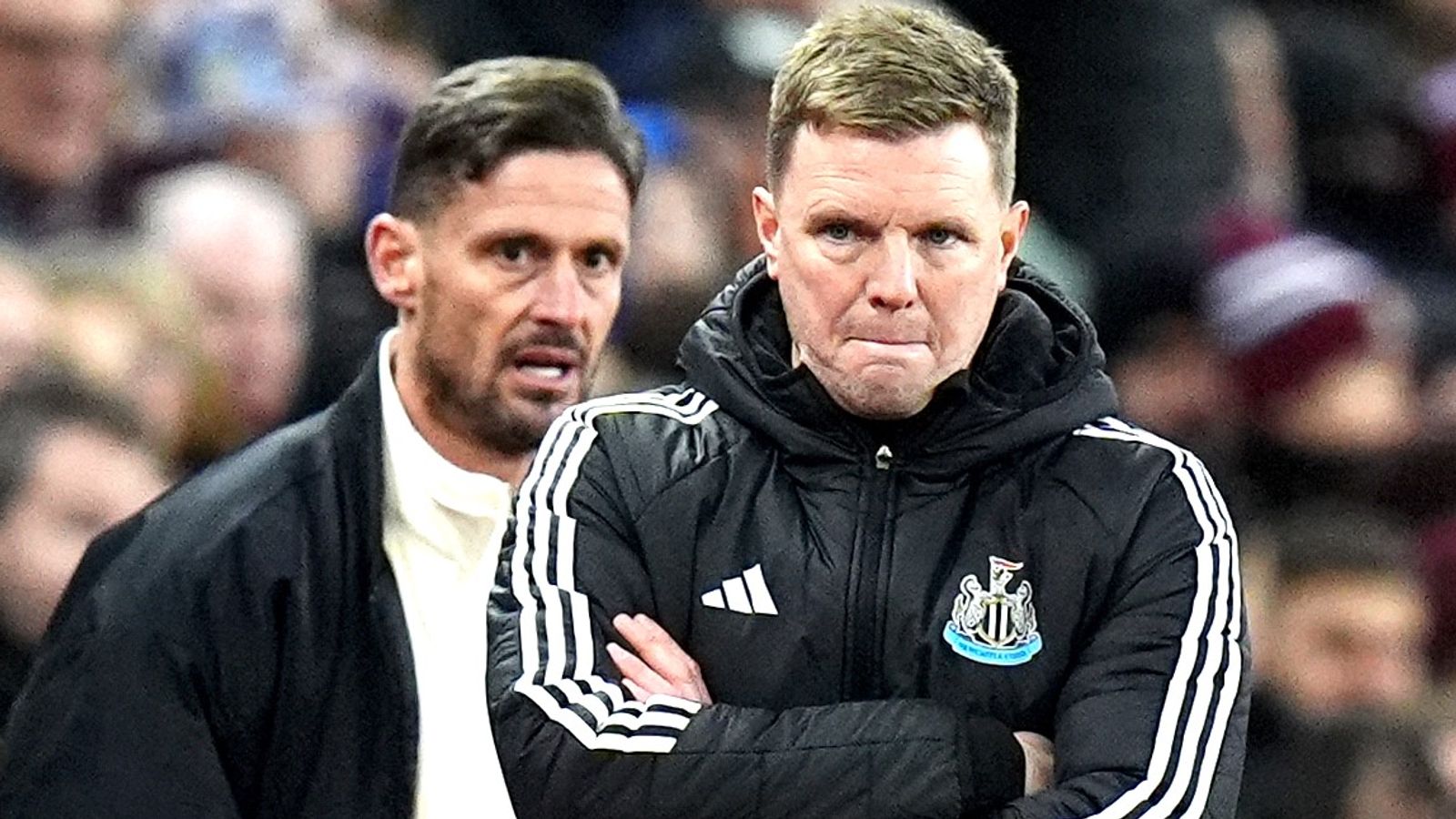
Hopkinson addressed speculation about manager Eddie Howe's future, stating discussions would occur "when the time is right." The club, currently 12th in the Premier League, faced backlash after a Champions League exit to Barcelona and a defeat to Sunderland. Hopkinson confirmed no immediate plans to replace Howe, stressing focus on the remaining seven matches. "We're not looking to make a change at the moment," he reiterated, though lingering questions about Howe's long-term role persist.
Regarding transfers, Hopkinson clarified that Sandro Tonali—linked with a potential move—would depart only on Newcastle's terms, echoing the club's strategy to maximize asset value. This follows Isak's controversial exit last summer, which Hopkinson described as a "good sale." The CEO outlined a dual focus on buying well (prioritizing value over fee size) and selling strategically, aiming to refresh the squad ahead of the summer window. Up to eight new signings could arrive, contingent on departures.
Hopkinson acknowledged the need for squad overhaul but stressed patience: "Our strategy is to buy well and sell well." Without Champions League football, retaining top talent proves difficult, with Premier League rivals poised to pounce. The club's financial pragmatism and transfer ambitions set the stage for a transformative summer, balancing immediate performance with long-term sustainability.
Source: Sky Sports Champions League · Summarized by HeadlinesBriefing