
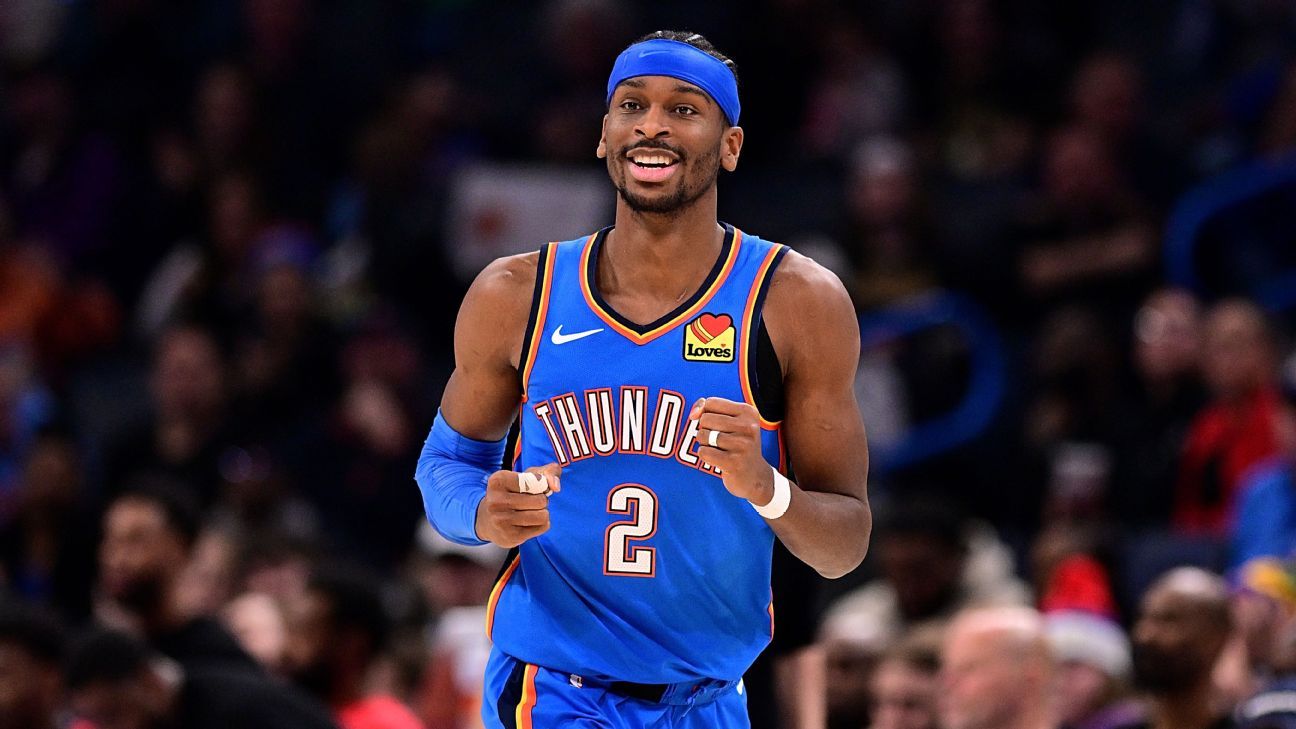
Shai Gilgeous-Alexander and Victor Wembanyama are both elite, yet in a traditional snake draft they are both first-round picks, making it nearly impossible to land both. A salary cap draft format changes that. It allows managers to assemble rosters of superstars, pairing players like Nikola Jokic and Stephen Curry or Luka Doncic and Giannis Antetokounmpo.
In ESPN salary cap drafts, each manager begins with a $200 budget to fill 13 roster spots, which works out to a bit more than $15 per slot. Managers can spend well above $15 on star-caliber players, leaving less for depth. Instead of fixed draft positions, managers rotate nominating players for bidding, and the highest bidder when the clock hits zero adds that player to their roster.
Preparation is essential. Because average salary replaces average draft position as the key measure of value, managers should set price ranges they are willing to pay and sort players into pricing tiers. It also helps to identify players who excel in specific statistical categories, such as Cason Wallace for steals or Myles Turner for blocks without hurting free-throw efficiency. Listing top targets at each position adds further advantage.
Flexibility matters just as much. Each draft room operates as its own market, so a star who goes for $15 less than expected may reflect that room's mood rather than a broader trend. Managers who have set targets across tiers, statistics, and positions will be ready to act when players appear undervalued.
Source: ESPN NBA · Summarized by HeadlinesBriefing