
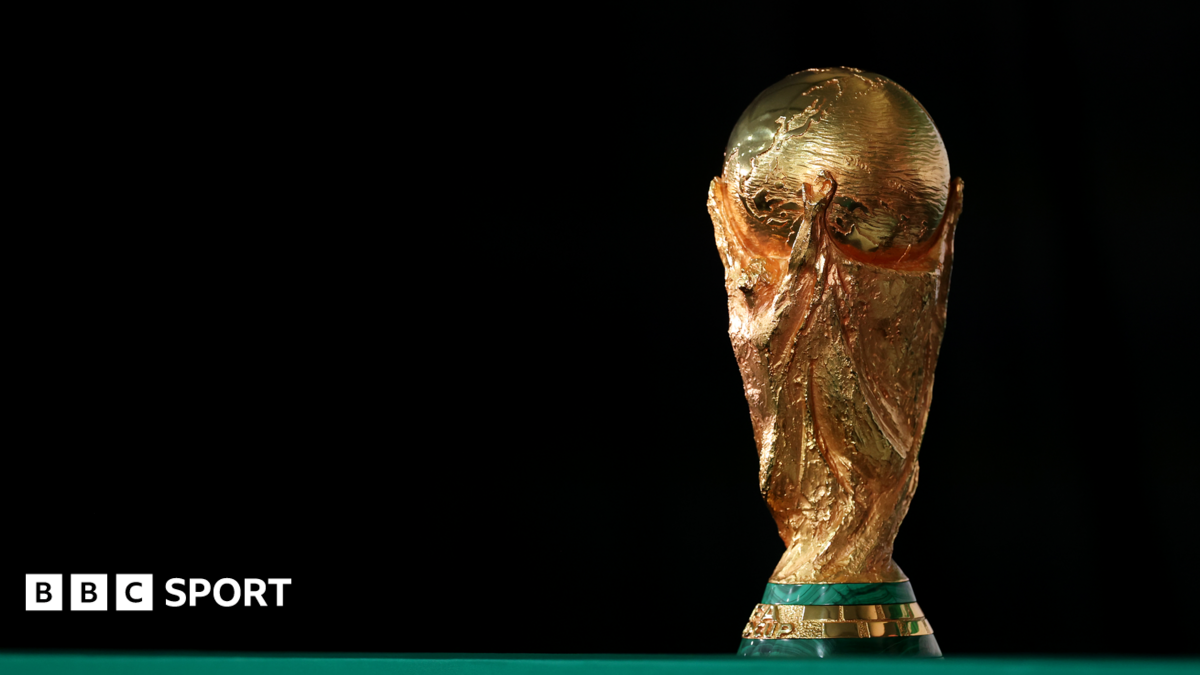
The inaugural Jules Rimet Trophy arrived in 1930 under FIFA president Jules Rimet, who would later lend his name to the award. French sculptor Abel Lafleur fashioned a gold‑plated sterling‑silver figure of Nike, the Greek goddess of victory, clutching a chalice. The piece rested on a lapis lazuli base, instantly becoming a global symbol and quickly captured the imagination of fans worldwide.
During World War II Italian official Ottorino Barassi concealed the trophy in a shoe‑box under his Rome bedroom floor, sparing it from Nazi seizure. Months before England’s 1966 tournament, thieves lifted the cup from a public display; a stray dog named Pickles recovered it, wrapped in newspaper, from a South London hedge. Brazil earned permanent possession after its third triumph in 1970.
In 1983 the cup vanished again, stolen from the Brazilian FA headquarters in Rio and never recovered, likely melted down. FIFA had already commissioned a new, larger trophy for the modern era, unveiling it for the 1994 World Cup. The existence of two distinct trophies therefore stems from theft, loss and the governing body’s decision to replace the original emblem.
Source: BBC Sport Football · Summarized by HeadlinesBriefing