
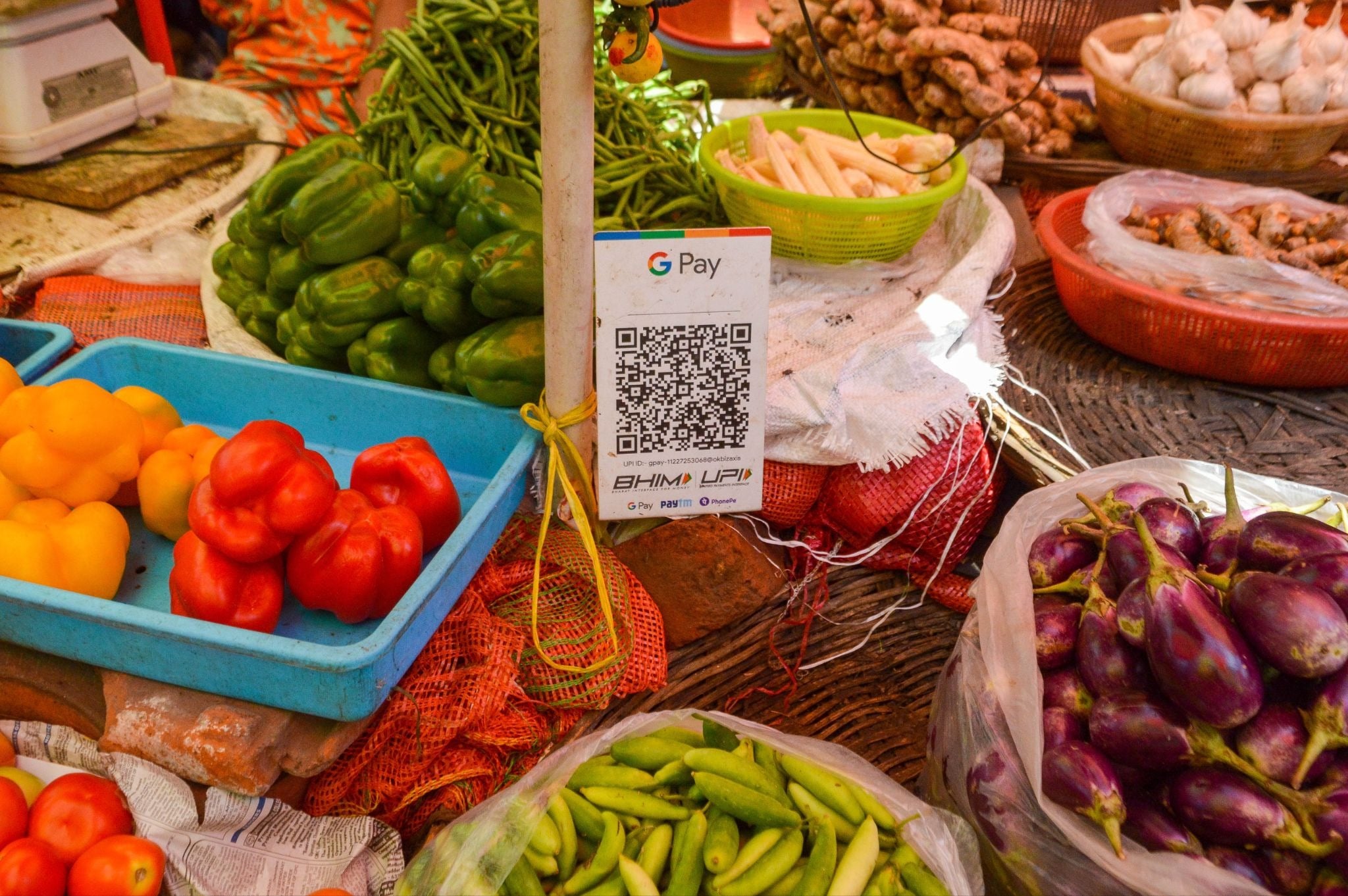
QR codes are poised to replace traditional barcodes as GS1 prepares for a global shift in retail tracking. In 1992, Masahiro Hara, an engineer at Denso in Japan, developed the QR code after observing workers overwhelmed by scanning multiple one-dimensional barcodes on auto parts. Inspired by the board game Go, he created a two-dimensional code capable of holding 200x more data and readable from any angle.
Denso patented the innovation but released it royalty-free, enabling widespread adoption. For decades, the Universal Product Code (UPC), managed by GS1 (formerly Uniform Code Council), dominated retail, creating a self-reinforcing network effect after the first barcode scan in 1974 on Wrigley's Juicy Fruit gum in Troy, Ohio. GS1 now charges annual licensing fees for company prefixes, required to sell mainstream products.
With Sunrise 2027 launching next year, GS1 is ushering in a new era driven by the need for better product tracking amid rising food recalls and limited packaging space. Nicole Light, CEO of Power in Packaging, highlights the struggle to fit regulatory, sourcing, and usage information on small packages like nail polish bottles, underscoring why QR codes are becoming essential.
Source: Hacker News · Summarized by HeadlinesBriefing