
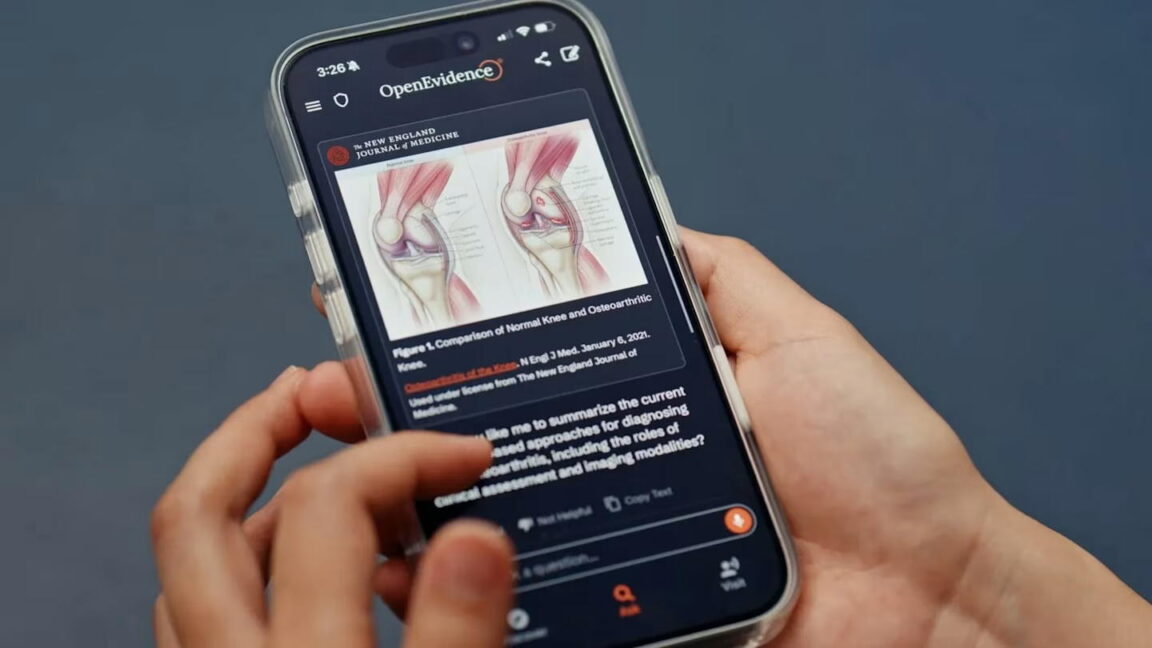
OpenEvidence, a $15 billion ad-powered AI startup, is gaining traction among doctors despite accuracy concerns. The company's goal is literature-based drug discovery, which its founder Alexander Tarashansky believes will dwarf traditional revenue streams. Clinical researcher Alexander Tarashansky of Claude Science has joined to support medical work, while Anthropic partners with OpenEvidence to deploy tools in 100 low- and middle-income countries.
However, effectiveness studies show mixed results. Mayo Clinic research found accurate recommendations in five case studies, though impact on treatment decisions remained limited. A June Nature paper ranked OpenEvidence behind Google's Gemini and Open AI's GPT on clinical benchmarks. Neurosurgeon Eric Oermann notes insufficient research on AI tool performance and implementation guidance.
Concerns persist about junior doctors potentially over-relying on the system without mastering basic medical knowledge. Founder Nadler acknowledges competitive benchmark pressure but emphasizes physician trust and adoption as key differentiators.
Source: Ars Technica · Summarized by HeadlinesBriefing