
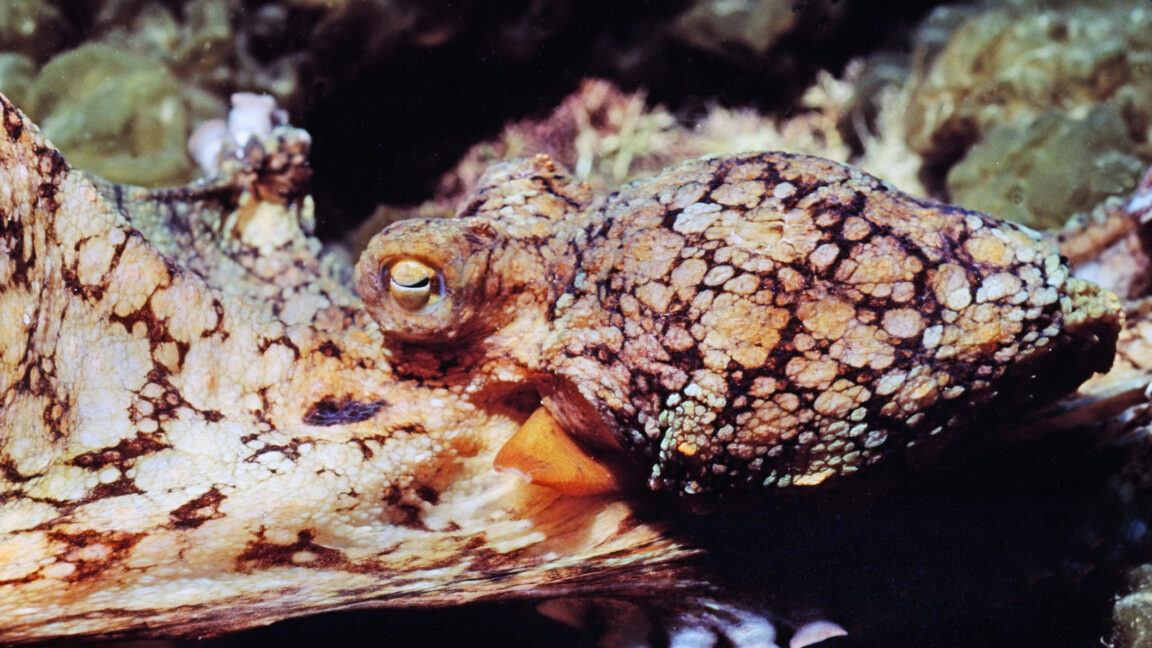
Scientists have uncovered the bizarre mechanics of octopus mating, revealing that male California two-spot octopuses use female hormones to locate reproductive organs. The study, led by Pablo S. Villar at Harvard University, showed males inserting their specialized hectocotylus appendage through barriers to reach females, guided by chemical cues rather than visual signals.
During the hour-long mating process, males must navigate blindly through the female's mantle cavity to find the oviduct opening. The breakthrough came when researchers discovered that the male's hectocotylus contains chemotactile receptors that respond to progesterone, the same hormone found in high concentrations in female reproductive organs. This explains how males can perform this precise maneuver without any feedback from their partners.
Remarkably, these receptors evolved from ancient neurotransmitter systems, repurposing internal signaling mechanisms for external chemical sensing. The same chemotactile system that helps octopuses hunt prey by taste also guides their mating behavior. This dual-purpose sensory adaptation appears across multiple cephalopod species, suggesting it's a fundamental evolutionary solution for these solitary ocean dwellers. The findings illuminate how sensory systems can drive both survival and reproduction in Earth's most enigmatic creatures.
Source: Ars Technica · Summarized by HeadlinesBriefing