
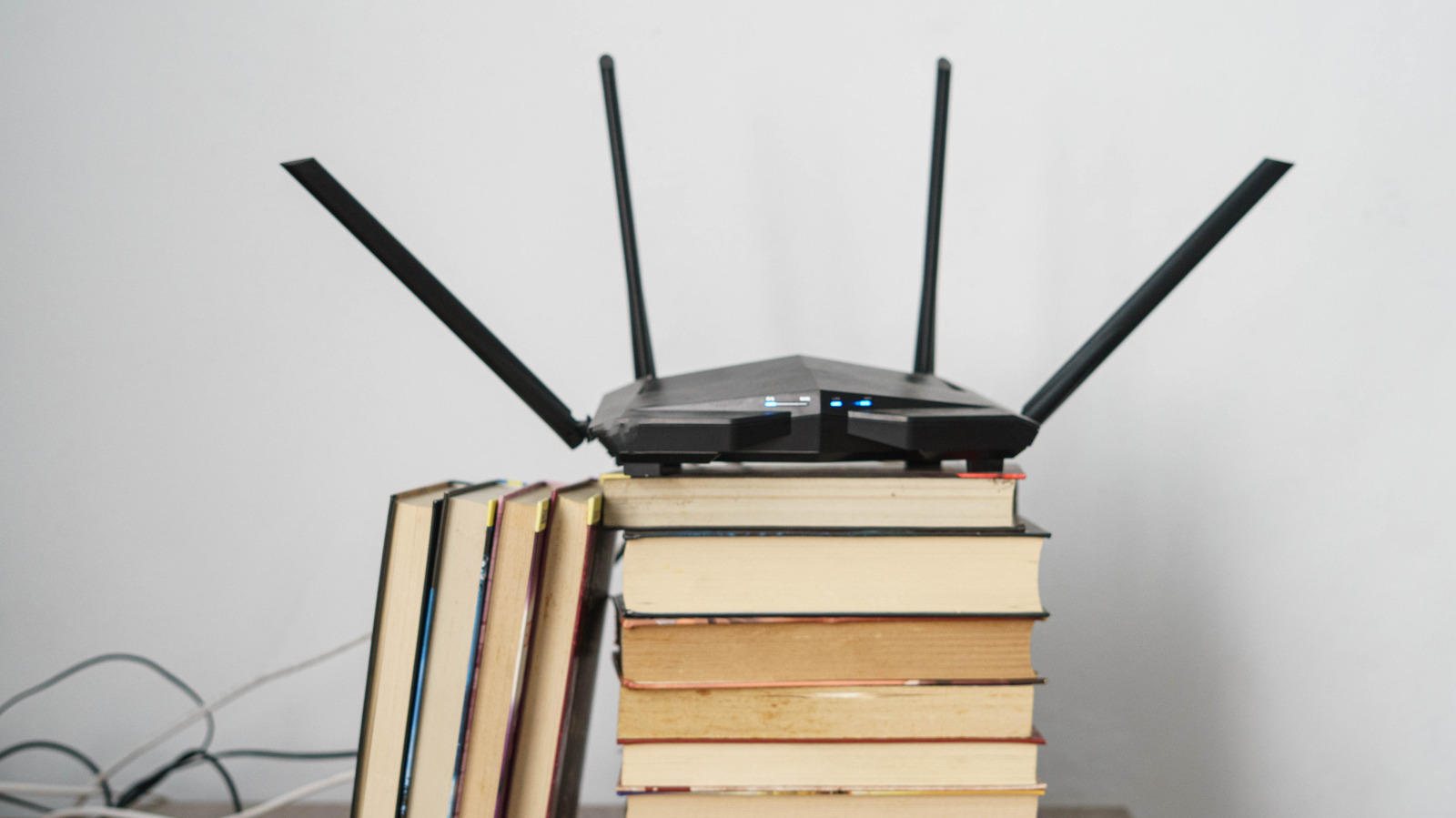
Half of Google's users now reach it over IPv6, but your router may still have it switched off. As smart home devices multiply, the limitations of IPv4 and NAT become increasingly apparent. IPv4, the internet's original address system, ran out of fresh addresses in 2011. Home routers use Network Address Translation (NAT) to cope, but carrier-grade NAT adds a second layer of translation that can break peer-to-peer connections for online gaming. IPv6, standardized in 1995, offers an astronomical number of addresses—enough for every atom on Earth. While it won't make your Wi-Fi faster, enabling IPv6 can solve connectivity issues, especially for online gaming and smart home devices. Google measured IPv6 use at just under 51 percent of its users on October 17, 2026, up from about 33 percent on the same day in 2020. Globally, France leads at 87 percent while the US sits at 55 percent and China at just over six percent.
With IPv6, all the devices on your home network can have their own public address, which each one builds automatically from a prefix your router advertises. Doing this can solve the issues associated with gaming, since consoles can connect to one another without NAT in the middle. There have also been temporary workarounds for this. For example, Xbox multiplayer and chat used (and still use in some cases) Teredo, a tunnel that carries IPv6 over IPv4, to get through home NAT. Microsoft has said that carrier-grade NAT was sticking players behind "strict" networks with degraded multiplayer. Thread, the low-power mesh network used by many devices built for the Matter smart home standard, also benefits from IPv6's vast address space.
Source: Engadget · Summarized by HeadlinesBriefing