
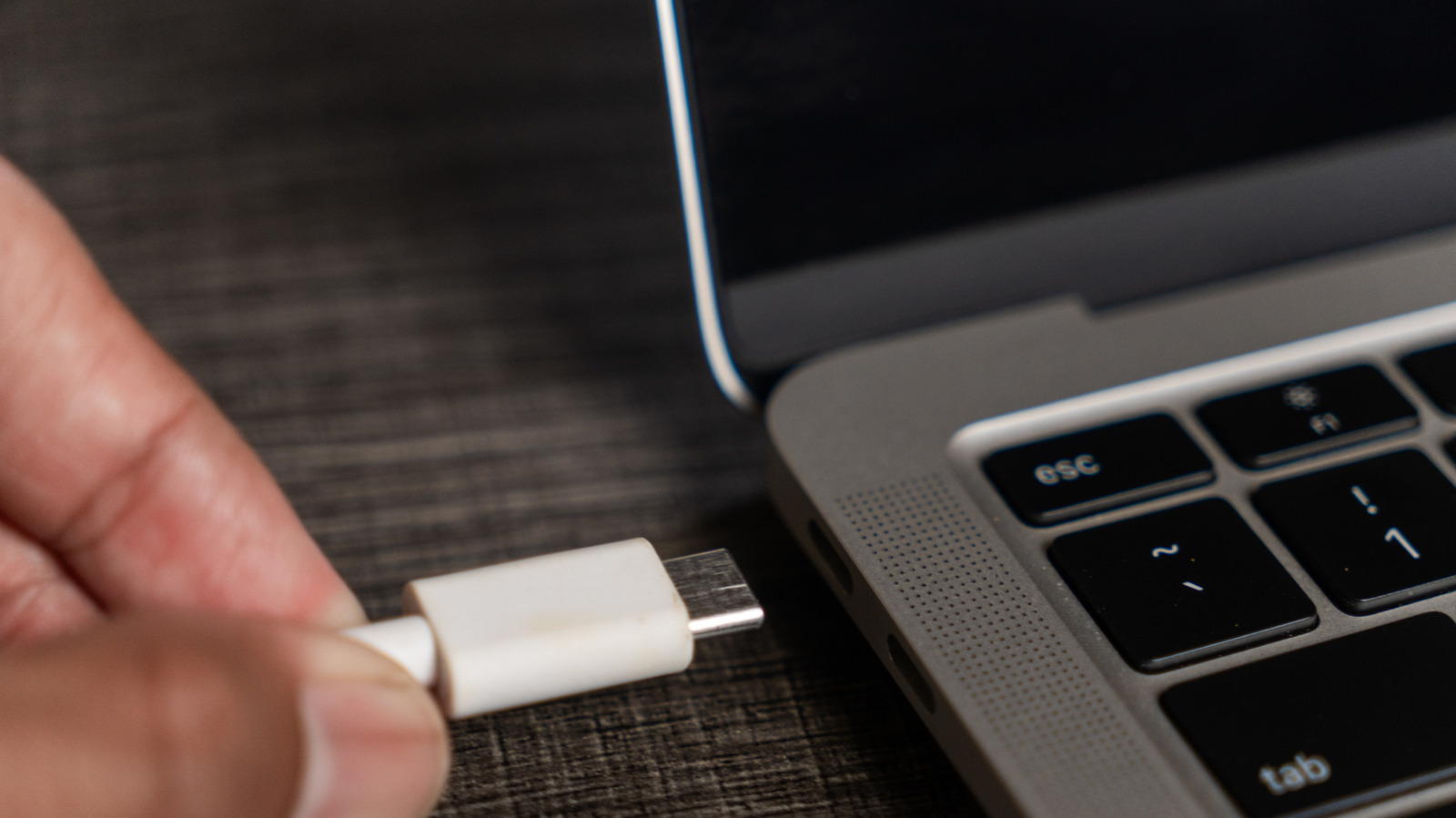
Not all USB-C cables are waterproof, but you can identify truly water-resistant models by checking their IP rating. The IEC 60529 standard defines these codes: the first digit indicates dust protection, and the second indicates water resistance. For reliable waterproofing, look for IP67 or IP68 ratings. IP67 cables can survive immersion up to one meter for 30 minutes, while IP68 cables are designed for continuous submersion beyond one meter. These rugged cables are essential in harsh environments like manufacturing, construction, maritime settings, and EV charging stations.
Ordinary USB-C cables lack standardized water resistance. Water exposure risks short circuits, contact corrosion, and even fire hazards due to overheating. Waterproofing is achieved through silicone seals, gaskets, locking collars, or threaded bayonet couplings with rubber seals. Materials like neoprene or fluoroelastomer (FKM) are used for chemical and solvent resistance in industrial applications.
If a cable gets wet, unplug it immediately, shake out excess water, and let it air dry for 24–48 hours. Avoid using hair dryers or rice, as they can damage the connector or introduce debris. Brands like Atlavox, Yale, and L-Com offer IP-rated cables ranging from $10 to $100, depending on durability. Always verify the official IP rating before purchase to ensure real protection.
Source: Engadget · Summarized by HeadlinesBriefing