
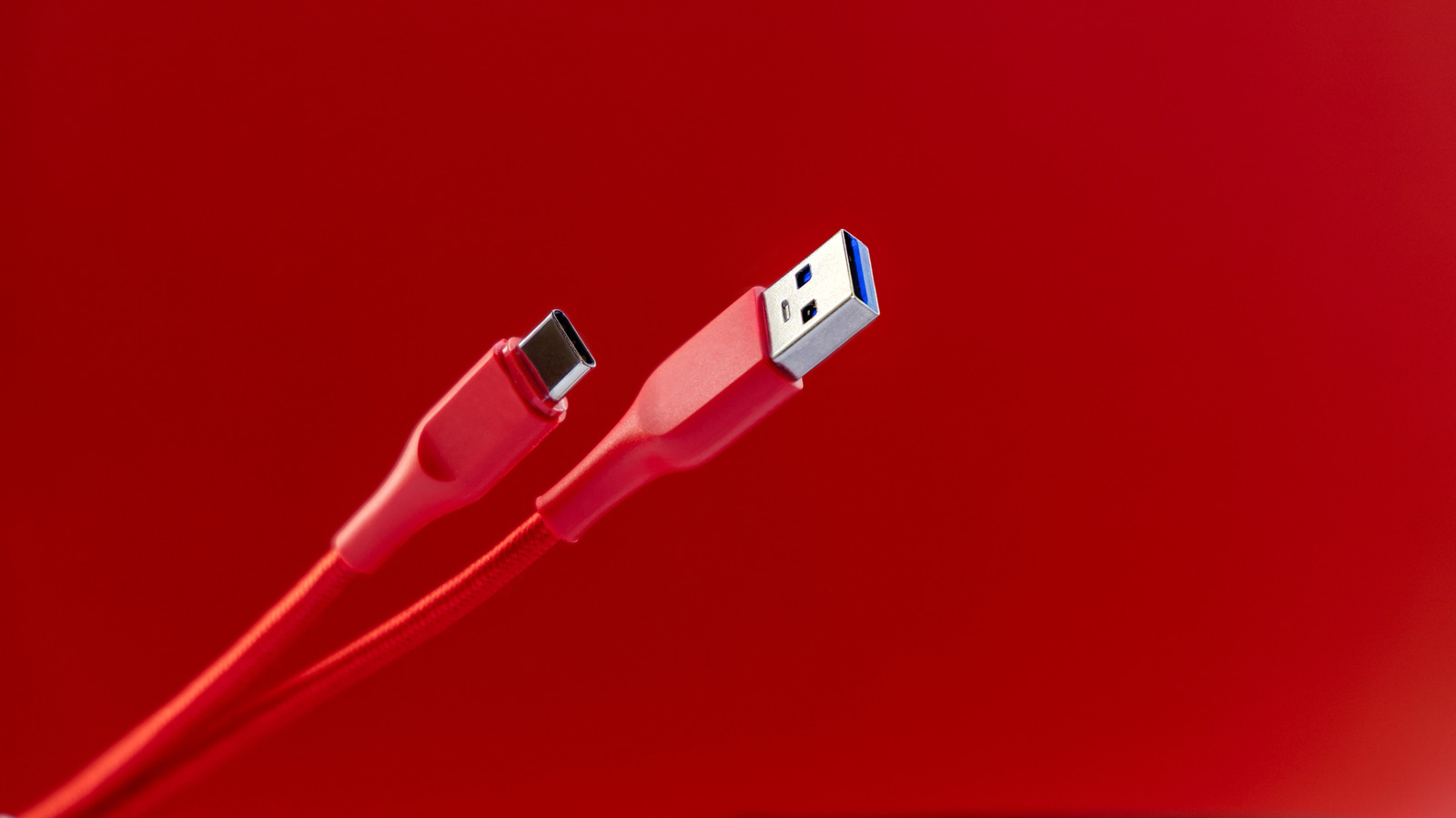
USB cables have maximum length limits defined by the USB Implementers Forum, ranging from about 16 feet for older generations to as low as 2.6 feet for USB 4. These limits exist because signal degradation increases with cable length due to electrical resistance. Exceeding these specifications can hamper performance, causing slower data transfer speeds or reduced power delivery to connected devices.
While the USB-IF provides these as best practice guidelines, they are not regulatory requirements, meaning manufacturers can technically produce longer cables. For users needing to extend range, active USB cables or extenders offer solutions, though they are more expensive and may draw extra power from the port. Alternatively, using a powered USB hub with the longest supported cable between the hub and computer can maintain performance, provided the hub's bandwidth is not exceeded.
Powered hubs are preferable as unpowered hubs can draw unreliable power from the USB port.
Source: Engadget · Summarized by HeadlinesBriefing