
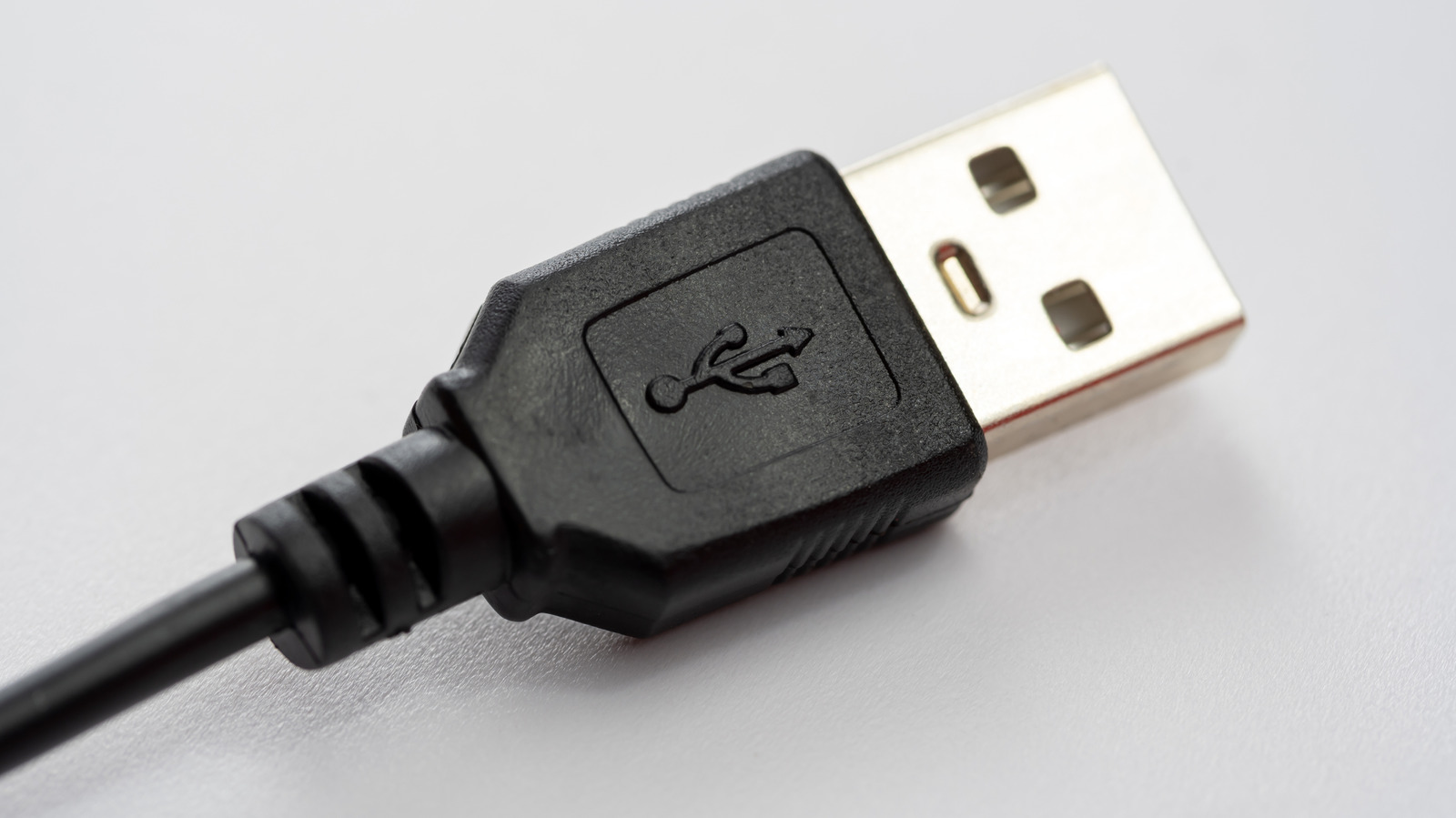
Most of us have a drawer stuffed with tangled USB cables left over from old phones, headphones, speakers and printers. Before you toss them, consider that many still carry current well. They just no longer fit your newest devices. Others may be worn or missing a connector, but the copper wiring and durable plastic sheathing still have practical value. Be careful, though: a frayed cable can pose a fire risk if you reuse its wiring to power something new.
Before cutting into any cable, test whether it still conducts power. Working cables can be bundled into a dedicated charging station near your desk or kitchen counter, with each one labeled by device type. Spare cables also make a handy travel charging kit, so you won't lose your good cable on a trip. Cables that still deliver power can light LED strips behind a monitor or a dark desk corner. With basic electronics skills, they can also power small DIY sensor projects using a soldering iron.
Cables that no longer charge reliably still have useful materials. Once stripped of their outer shielding and insulation, the copper strands are pliable enough to tie tomato vines to garden stakes. In a pinch, a whole cable can secure a tree to a support stake during a storm. Intact cables can also be repurposed as plant hangers or picture supports indoors.
The goal is simple: get more use from materials you already own before sending them to a recycling bin. A little testing and creativity can turn a junk drawer's clutter into functional everyday tools.
Source: Engadget · Summarized by HeadlinesBriefing