
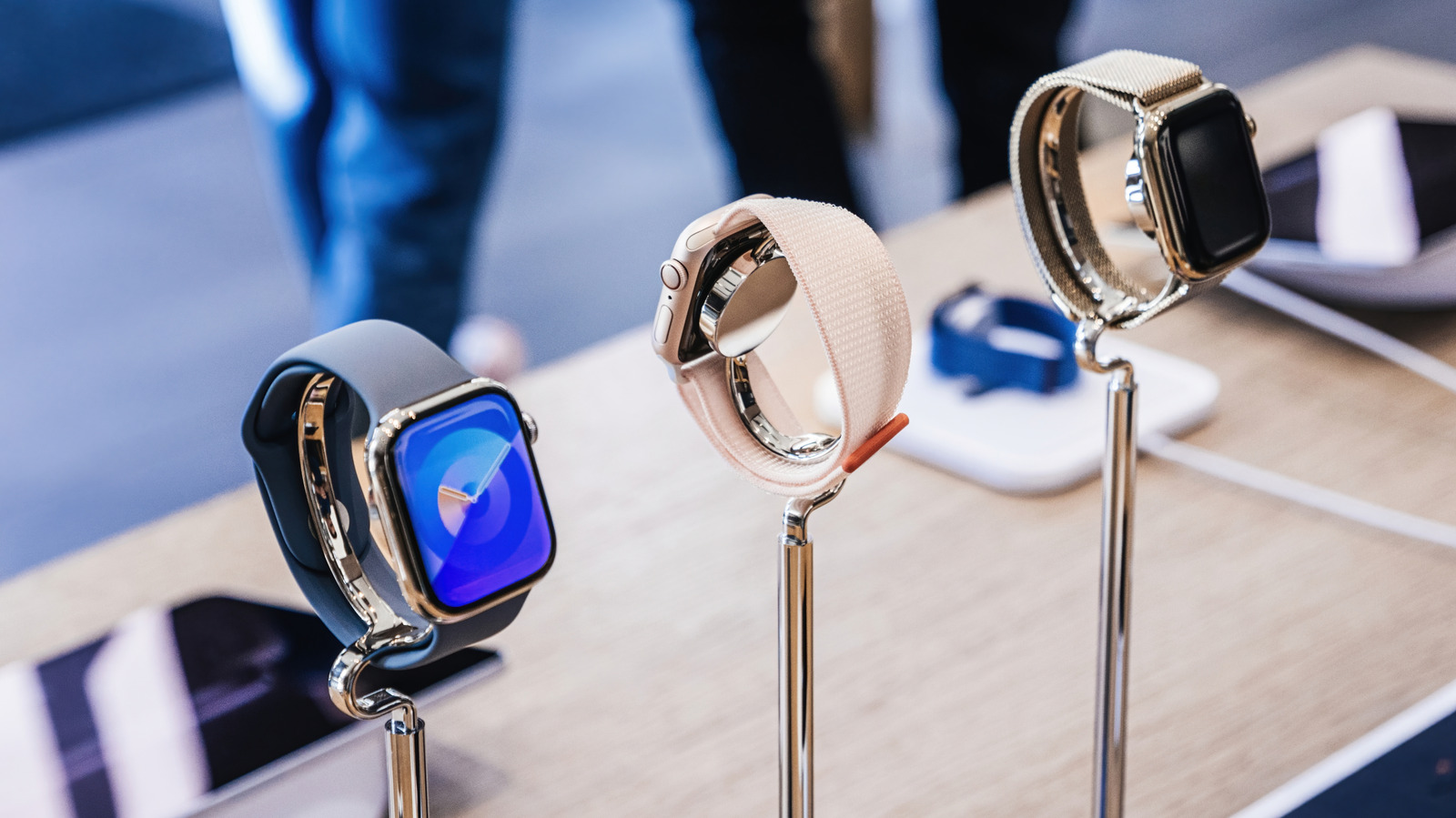
Ceramic and titanium are both premium Apple Watch materials, but they excel in different ways. For one, titanium models feature ceramic components. Second, ceramic is harder than titanium, though titanium is the stronger material overall.
There is a winner, but winning comes with caveats. Titanium is the better choice for consumers shopping primarily for long-lasting durability, but it is not as scratch-resistant as ceramic. As you can see, the comparison is a bit more complicated than the general assumption that titanium is the superior material.
In terms of abundance, titanium is the most practical premium option, since Apple has not manufactured a primarily ceramic Apple Watch casing since the Apple Watch Series 5. With the Apple Watch Series 12, Apple is bringing back the ceramic option (Pearl White and Midnight Blue), but that leaves ceramic several generations behind in terms of abundant, recent-generation availability. Both the ceramic and titanium Series 12 models feature a sapphire crystal front, so there is no separation there.
But the case itself is a different matter. Ceramic is the better option for buyers who hate scratch buildup on their watch casings and want that gleaming, glossy surface for the long term. Titanium is the best bet for those who tend to walk into doorframes and drop delicate items.
Both the ceramic and titanium Series 12 models feature a sapphire crystal front. Ceramic is the optimal choice if you care more about a pristine-looking case. Ceramic is exceptionally resistant to surface scratching and is the better option for office wear, formal occasions, or for anyone whose primary cosmetic concern is light scuffing now and then.
Hardness and scratch-resistance don't mean invulnerability, however. In fact, it is the hardness of the material that increases its impact liability. Titanium's tolerance of sharp, concentrated impacts makes it the safer watch for highly active Apple Watch enthusiasts.
Apple heavily markets the health and fitness aspects of the Apple Watch, naturally drawing in people with active lifestyles or jobs. A welder will be much better off with titanium, while a hair stylist will get along fine with ceramic. Sure, titanium is tougher overall, but ceramic tends to maintain that premium finish.
Nobody wants to wear an ugly watch, especially not one that retails at $399 for the lowest tier. At the same time, that exceptional ceramic vibe is more vulnerable to something as simple as knocking an arm against a metal doorframe. Even if we toss aluminum into the mix, titanium still wins the overall durability matchup.
It simply has the best balance of resistance and lighter weight. Ceramic is the scratch-resistant option. The 46mm aluminum Series 12 weighs 39.5 grams, lighter than its ceramic and titanium counterparts.
The aluminum version lacks the sapphire crystal screen, instead featuring a ceramic-covered Ion-X glass that Apple claims is 60 percent tougher than its earlier Ion-X iterations. Unfortunately, aluminum is susceptible to dents and cosmetic scratches, and its display glass is more vulnerable, despite the fanciful name.
Source: Engadget · Summarized by HeadlinesBriefing