
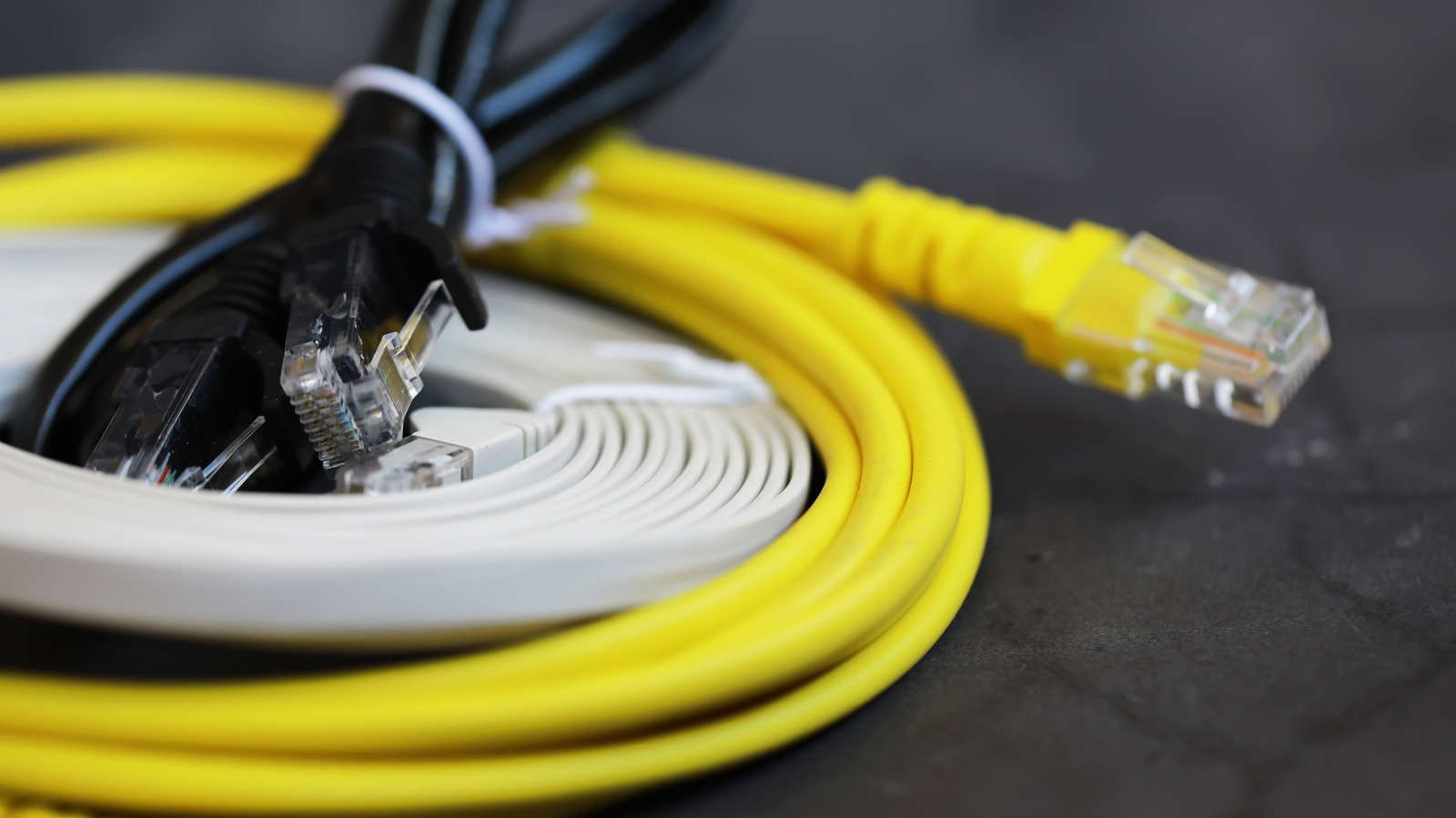
Standard Ethernet cables can technically be run outside, but it's a risky choice. Indoor cables use a flexible PVC jacket that is vulnerable to sunlight. Over time, UV exposure causes the jacket to fade and crack, exposing the internal wires to moisture and degrading the connection. Rain and temperature swings speed up this damage. The bare copper inside also offers little protection against lightning strikes and other weather hazards.
The safer approach is to use a cable specifically rated for outdoor exposure. Outdoor cables typically have a polyethylene jacket, such as LLDPE or PE, which resists UV rays, moisture, and temperature changes much better than PVC. If the cable must run underground, a direct-burial cable is the right choice. These cables are built to handle long-term moisture and the pressure of surrounding soil, and some include water-blocking tape, powder, or gel to keep the wire dry even if the jacket is damaged. Whatever cable you choose, installing surge protection at both ends is considered best practice.
To confirm a cable is suitable for outdoor use, check the printing on the jacket. Look for terms such as "CMX," "OSP," "UV-resistant," "sunlight-resistant," or simply "outdoor." The color or category label alone does not indicate outdoor suitability. Outdoor cables are not always appropriate for indoor use, however. Many fail indoor fire safety requirements, and an unlisted outdoor cable generally should not run more than 50 feet inside before transitioning to an indoor-rated cable.
For a short, simple run, such as to an outdoor access point, a Cat6 outdoor-rated cable is usually sufficient. Secure exterior runs with cable clips to prevent abrasion, and avoid sharp bends. Finally, check local ordinances, since rules on conduit, burial depth, and permitted cable types may apply.
Source: Engadget · Summarized by HeadlinesBriefing