
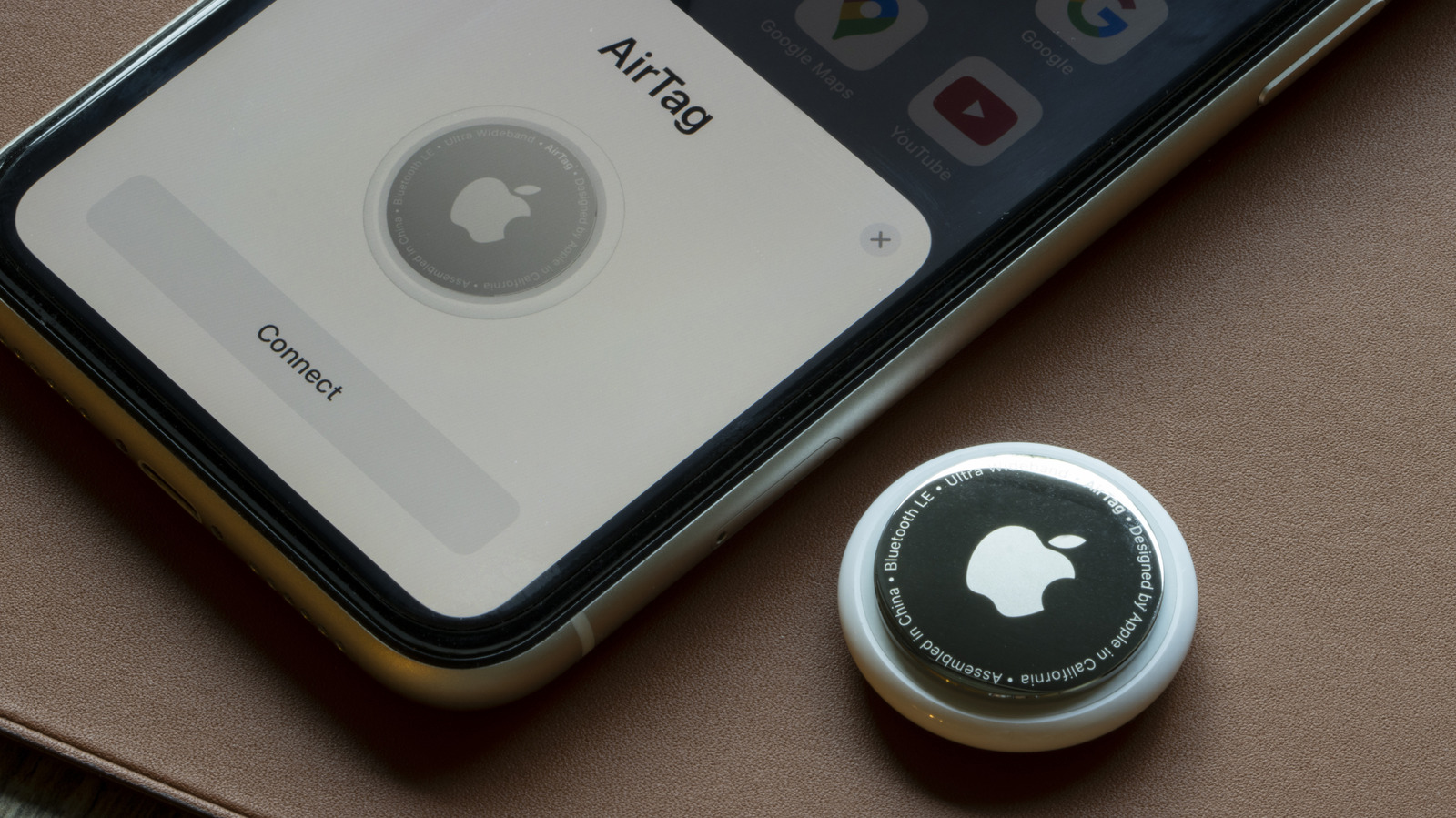
Lost luggage is a major stressor for travelers, but AirTags offer a solution by tracking your suitcase. However, many wonder if the TSA allows these devices in checked baggage. The TSA has strict rules regarding lithium batteries, but AirTags are generally compliant. They use a small CR2032 coin cell battery with less than 0.1 grams of lithium, well below the 2-gram limit for non-rechargeable batteries. Additionally, AirTags are not rechargeable, so the 100 watt-hour limit for lithium-ion batteries does not apply. Even if it did, the AirTag's power threshold is less than 0.7 Wh, which is also compliant.
Internationally, the rules are similar. The International Civil Aviation Organization amended its regulations in 2023 to allow lithium battery devices in checked baggage if their lithium content is less than 0.3 grams or their lithium-ion battery output is less than 2.7 Wh. This means AirTags are permitted worldwide.
The TSA's concern with lithium batteries is thermal runaway, a chain reaction that can cause devices to overheat, smoke, or even catch fire. Since portable chargers are common offenders, they are often restricted to carry-on baggage. AirTags, however, pose minimal risk due to their small battery size and low power output.
Source: Engadget · Summarized by HeadlinesBriefing