
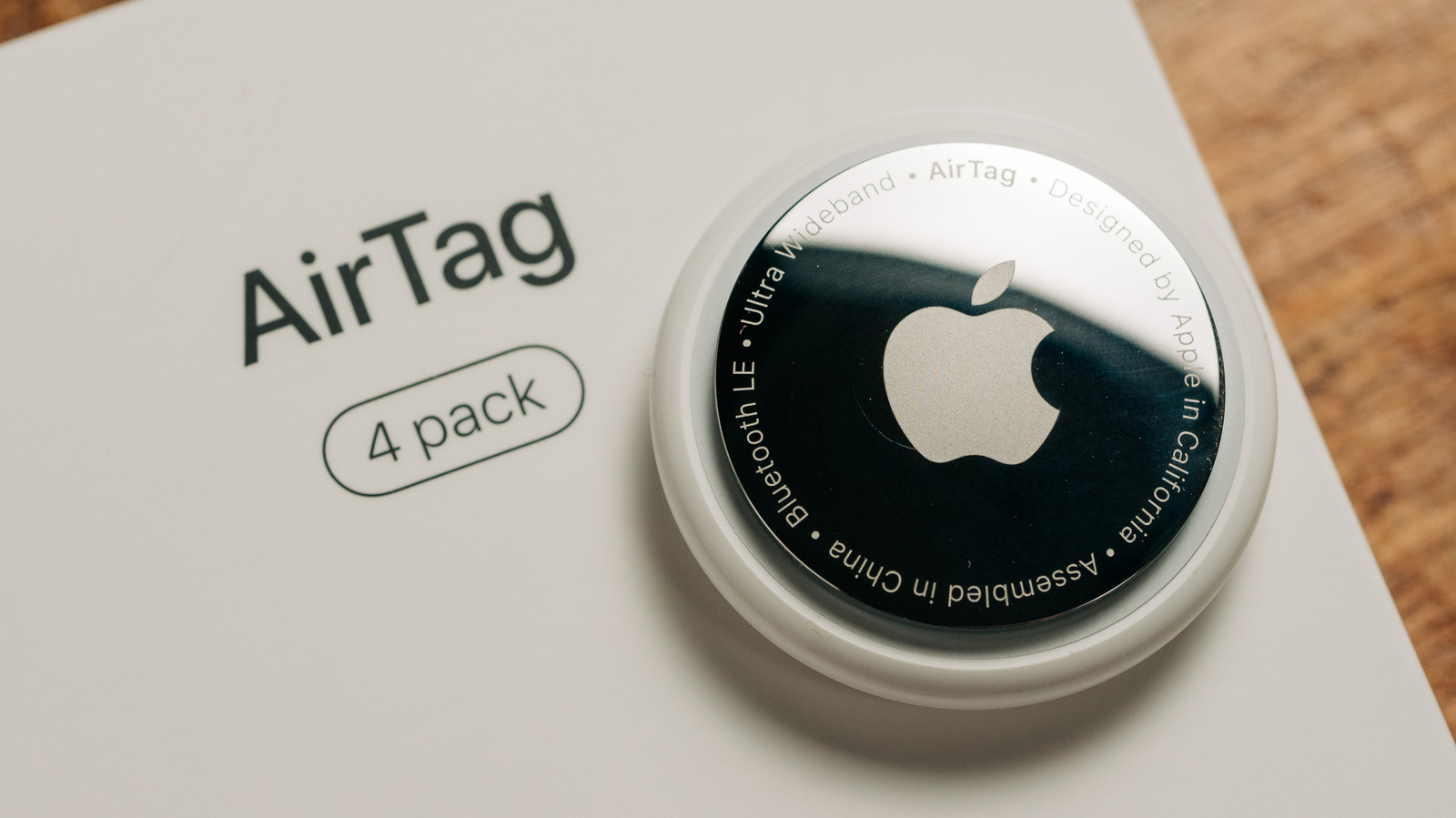
Apple's Air Tag uses a standard CR2032 coin-cell battery designed to last over a year, though actual lifespan varies significantly based on usage patterns. The second-generation model released earlier this year maintains the same battery performance as its predecessor. Users can check battery status through the Find My app, where an orange icon signals low power. When battery is critically low, the device restricts certain features like Precision Finding and sound alerts to conserve remaining charge. The CR2032 battery is inexpensive and widely available, typically costing around $1 each. Replacement is straightforward, requiring only a simple twist of the steel cover.
To maximize battery life, users should minimize unnecessary feature usage. Repeatedly triggering sound alerts drains power quickly since the speaker activates frequently. Precision Finding, which uses the Ultra Wideband chip for real-time communication, also consumes significant energy. Similarly, frequently opening the Find My app to check on a tag unnecessarily depletes the battery. While these features are designed for typical use, excessive testing or monitoring can accelerate battery depletion. Using generic CR2032 batteries may impact performance compared to Apple-recommended options. Setting a yearly replacement reminder helps ensure optimal tracking functionality without unexpected power loss during important trips or daily use.
Source: Engadget · Summarized by HeadlinesBriefing