
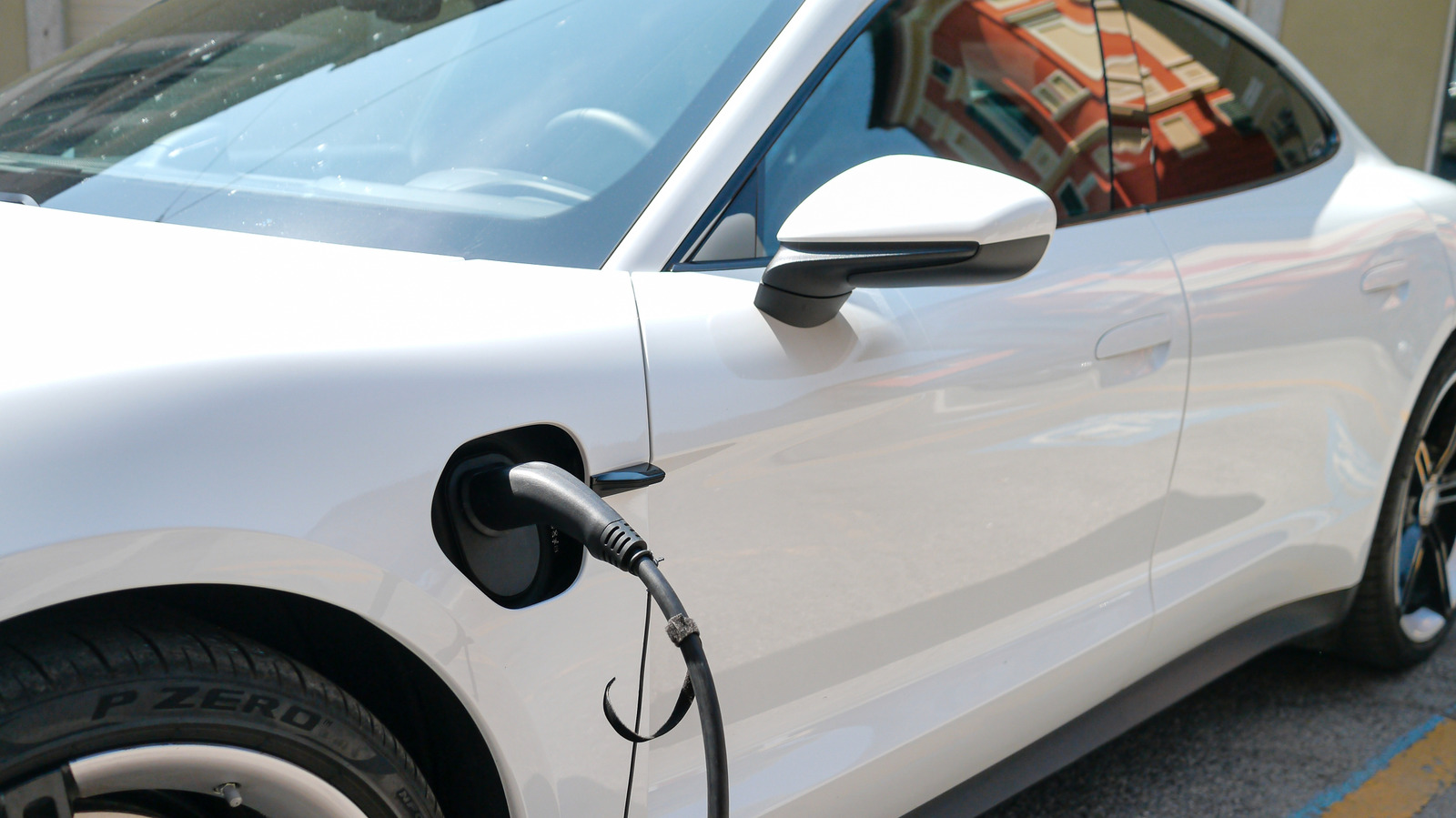
Most EVs use a liquid coolant loop to keep large battery packs cool under load. Coolant runs through tubes or metal plates pressed against the battery, carrying heat to a radiator or the car's air conditioning system. This thermal management also preheats the pack during navigation to a fast charger, improving charging speed in cold weather.
Fleet management company Geotab tracked over 22,700 EVs and found batteries lose 2.3 percent of their health annually. Hot climates add 0.4 percentage points more degradation, while frequent fast charging above 100 kW increases loss to 3 percent per year versus 1.5 percent for rare use. At the average rate, a battery retains roughly 77 percent capacity after a decade.
Liquid cooling dominates modern EVs because it uses two to three times less energy than air cooling. The original Nissan Leaf used passive air cooling, while Tesla, GM, and Ford adopted liquid systems. BMW's i3 used refrigerant directly from its AC, and McLaren's Speedtail submerged cells in electrically insulated oil. Coolant loops typically link to a radiator for light loads and to the air conditioning via a heat exchanger for heavy fast charging.
A study by Recurrent found EV batteries average 78 percent of ideal range at freezing temperatures and about 70 percent at -7 degrees Celsius. Cabin heating accounts for two-thirds of extra cold-weather energy use. Maintaining balanced temperatures prevents lithium plating and slows aging caused by heat differences.
Source: Engadget · Summarized by HeadlinesBriefing