
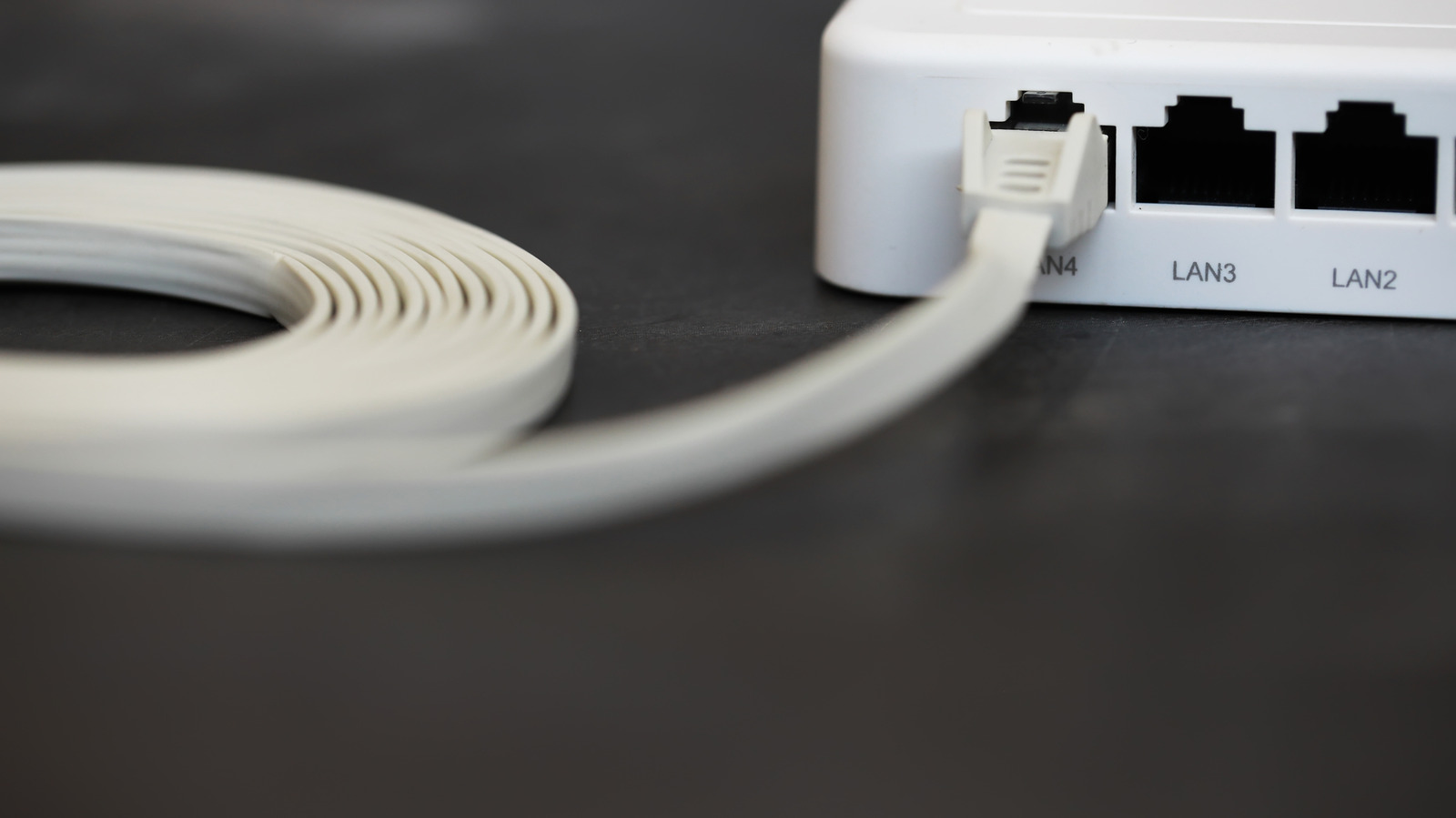
Flat Ethernet cables offer aesthetic benefits and flexibility for tight spaces, but come with performance tradeoffs compared to traditional round cables. While both shapes can achieve similar speeds under ideal conditions, real-world use reveals significant differences. The twisted pair design in round cables prevents internal signal interference more effectively than the linear layout found in flat versions.
Additionally, flat cables typically use thinner wire gauges to maintain their profile, increasing electrical resistance and potential signal degradation over longer distances. Physical durability is another concern, as flat cables are more fragile and prone to damage from bending or compression under rugs and doors. Despite these drawbacks, flat cables remain viable for short runs where visual concealment is prioritized over maximum performance.
For short distances where cables won't be bent excessively, flat options can work adequately. However, for reliable long-term connectivity, especially over considerable lengths, round cables remain the superior choice due to better shielding and structural integrity.
Source: Engadget · Summarized by HeadlinesBriefing