
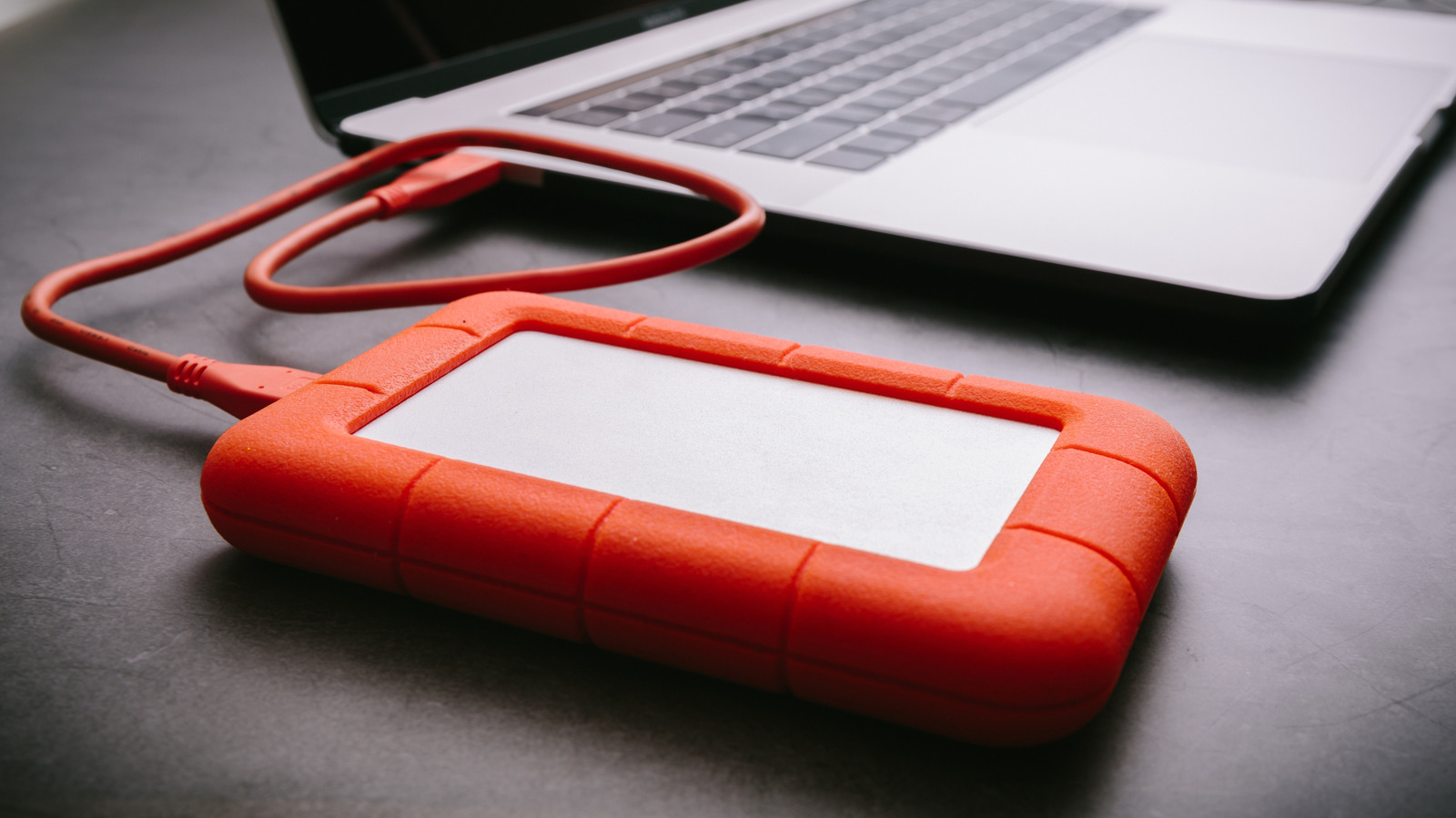
Device storage is extremely valuable these days, with AI datacenters inflating drive pricing and apps, media, and operating systems continually growing. The gap between advertised and usable storage often stems from how companies calculate data: storage makers use decimal (base-10) where a gigabyte is 1 billion bytes, while platforms like Windows use binary (base-2) where a gigabyte is 1,073,741,824 bytes. This causes a 512GB drive to show as 477GB in Windows and a 1TB drive to appear as 931GB, despite no actual loss.
Macs, however, use decimal and show the full advertised capacity. Additionally, pre-installed operating systems consume significant space—iOS uses over 22GB on a 128GB iPhone 16 Pro, and Windows 11 takes over 81GB on some laptops—making 64GB devices effectively obsolete and even 128GB increasingly impractical. As OSes grow with new features and require cache and swap space, usable storage shrinks further.
Attempts to clarify with binary-specific terms like kibibyte (KiB) and gibibyte (GiB) have not gained traction, and the inconsistency between marketing and system reporting is expected to persist.
Source: Engadget · Summarized by HeadlinesBriefing