
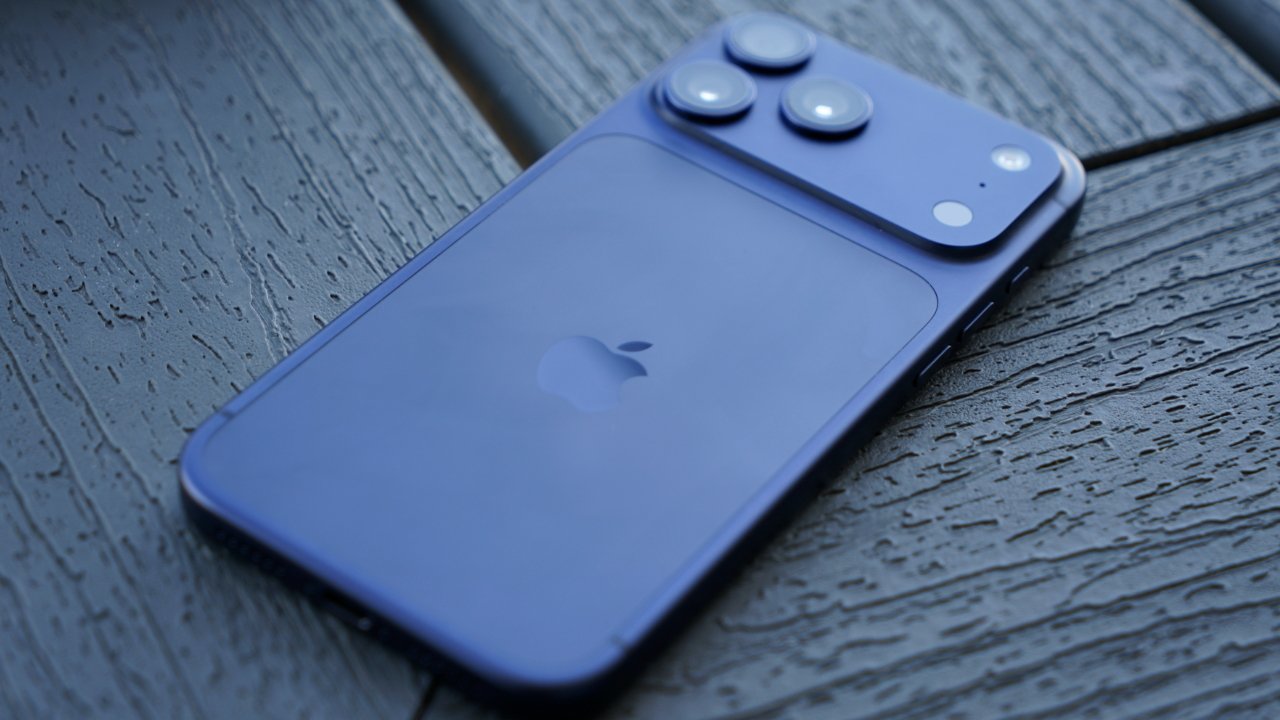
Apple is developing breath-sensing technology for future devices, including the iPhone, capable of detecting health conditions like high cholesterol through exhaled air. The patent, titled *Electronic devices with breath sensing systems*, outlines sensors that analyze breath molecules without requiring a mouthpiece. This builds on prior efforts, such as integrating breath analysis into the Apple Vision Pro for sleep tracking and using respiratory patterns to adjust alarms. The system uses an infrared light source to measure gas molecules in breath, comparing results to a health database to flag potential issues like diabetes or cardiovascular risks.
The tech leverages multi-sensor integration, including visible light cameras and infrared depth sensors, to optimize breath sample collection. For instance, the iPhone could adjust sensor alignment via beam steering to target the mouth area automatically. This passive approach eliminates the need for users to blow into a device, aligning with Apple’s push for seamless health monitoring. Analysts note this could position Apple as a leader in consumer health tech, following Tim Cook’s 2019 statement that health innovations would define the company’s legacy.
Critics argue the patent’s broad scope—mentioning applications in cars, kiosks, and watches—suggests Apple aims to embed health diagnostics across its ecosystem. However, the focus remains on the iPhone’s role, with the breath sensor window in the device’s housing hinting at a physical design change. This aligns with Apple’s portless trend, repurposing existing openings for health functions. The system’s reliance on existing health data frameworks, like those used in the Apple Watch, could streamline FDA approval.
If realized, this technology would democratize access to biomarker testing, potentially reducing healthcare costs. However, challenges include ensuring accuracy across diverse populations and addressing privacy concerns around sensitive health data. Apple’s patent underscores its aggressive strategy to merge hardware with medical-grade analytics, transforming everyday devices into proactive health tools.
Source: AppleInsider · Summarized by HeadlinesBriefing