
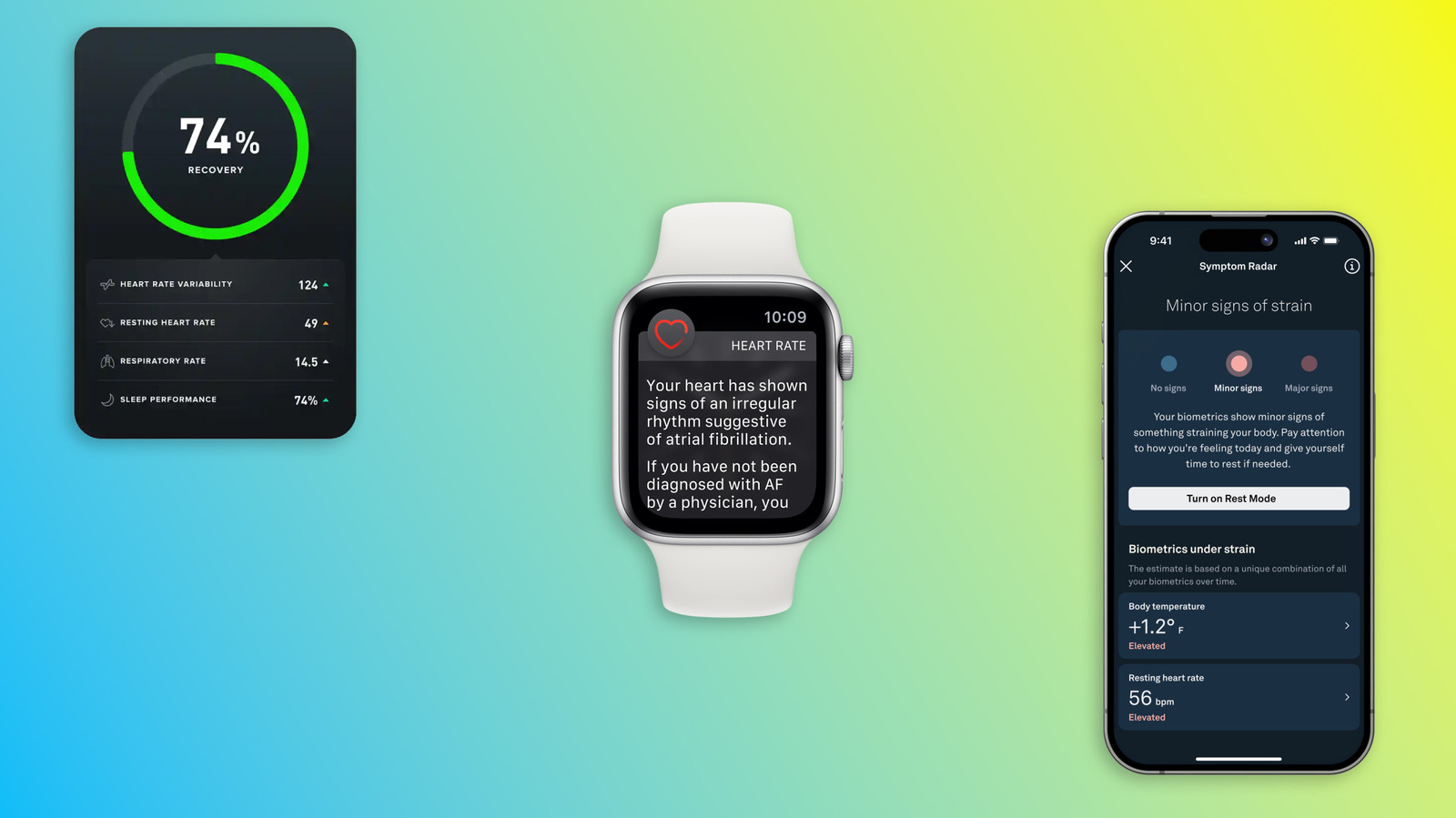
Apple, Whoop and Oura smartwatches have graduated from step counters to multi‑sensor health hubs, measuring sleep, skin temperature, respiratory rate, blood‑oxygen saturation and heart‑rate variability. Some models even issue alerts for potential sleep‑apnea. FDA‑cleared features spark enthusiastic marketing that likens the gadgets to a Star Trek tricorder, yet clinicians remain skeptical about their diagnostic power.
The clearest clinical win comes from detecting atrial fibrillation. In an Apple Watch trial, irregular‑pulse alerts proved AFib 84 % of the time, earning doctors’ tentative endorsement. Physicians also trust basic sleep‑pattern trends and step counts, but dismiss blood‑pressure alerts, calorie estimates and detailed sleep‑stage scores as insufficient for medical decisions. Even heart‑rate variability and VO₂ max offer only rough fitness snapshots.
A Texas A&M‑Stanford study showed smartwatches can spot physiological shifts from COVID‑19 or flu within hours, suggesting isolation and testing could cut spread by up to 50 %. Google, Oura and Whoop now embed AI coaches that stitch together temperature, heart‑rate and respiration trends, while Apple’s Vitals and Oura’s Symptom Radar perform similar background analyses. These nudges may prompt earlier doctor visits, but they cannot replace professional diagnosis.
Source: Engadget · Summarized by HeadlinesBriefing